That fresh-from-the-dentist feeling is hard to beat, right? Your teeth feel cleaner, your breath feels lighter, and your smile just feels easier in your own skin. So it makes sense to wonder how to clean your teeth at home like a real dentist.
Here’s the thing, though: you can definitely improve your home routine a lot, but then again, you just can’t replicate a professional dental cleaning all by yourself. I mean, the goal isn’t to whip out a bunch of sharp tools and try to emulate what a hygienist does in the chair. The goal is to get rid of that pesky daily plaque, keep your gum line safe, make your breath feel fresher, and know when to schedule a real dental visit.
What ‘Cleaning Your Teeth Like a Dentist at Home’ Really Means
Cleaning your teeth like a dentist at home is more about having consistent, effective habits than it is about having special tools. A proper routine includes learning the right brushing technique, paying attention to daily cleaning between the teeth, using fluoride toothpaste, and keeping a close eye on the gumline where plaque likes to accumulate.
While you can remove plaque at home with regular brushing and interdental cleaning, hardened tartar (or calculus, if you will) is a different story altogether. Once it’s hardened, you really need professional tools to get rid of it safely and effectively.
Think of home care as a way to prevent problems and keep your teeth in good shape long-term. By keeping on top of plaque before it turns into tartar, you can help prevent surface stains, gum irritation, cavities, and even more serious dental problems. This makes it a lot easier to get a professional cleaning and helps keep your teeth and gums healthy for years to come.
Building the Right at-Home Cleaning Teeth Kit
A dentist-inspired routine can start with some pretty basic tools. You don’t need a drawer full of gadgets to keep your teeth clean. Just the right basics and a bit of patience will do the trick.
Your daily kit can include:
- A soft-bristled toothbrush ( manual or electric, whichever you prefer)
- Fluoride toothpaste (one that’s got the ADA stamp of approval is a good place to start)
- Some floss, floss picks, or interdental brushes (we all need those tricky teeth cleaned!)
- A water flosser (especially if you’ve got braces, bridges, implants or tight spaces)
- A fluoride mouthwash, when it makes sense (just make sure it’s one that’s got the American Dental Association’s blessing)
- A tongue scraper or your trusty toothbrush for tongue cleaning (it’s all about keeping your whole mouth clean)
Using a soft-bristled toothbrush is gentler on your gums and tooth enamel, while an electric toothbrush can be better at removing plaque for some people. Just don’t go thinking that brushing harder is the way to get a better clean; it can actually make things worse over time. And as for mouthwash, yeah, it’s great for fresher breath and a bit of extra protection, but it’s meant to be used alongside brushing and flossing, not in place of it.
By the way, don’t even think about DIY dental tools and remedies to whiten teeth. Metal scrapers, sharp picks, lemon juice, and all that other stuff can really damage your tooth enamel and gum tissue.
The Dentist-Inspired Daily Routine for Cleaner Teeth
A cleaner smile is often more about slowing down than it is about trying something new. Most of us brush on autopilot; we hit the front teeth, rush the back teeth, skip the gumline, and forget about the inner surfaces. Let’s change that.
Brush your Teeth the Right Way at a 45-degree angle.
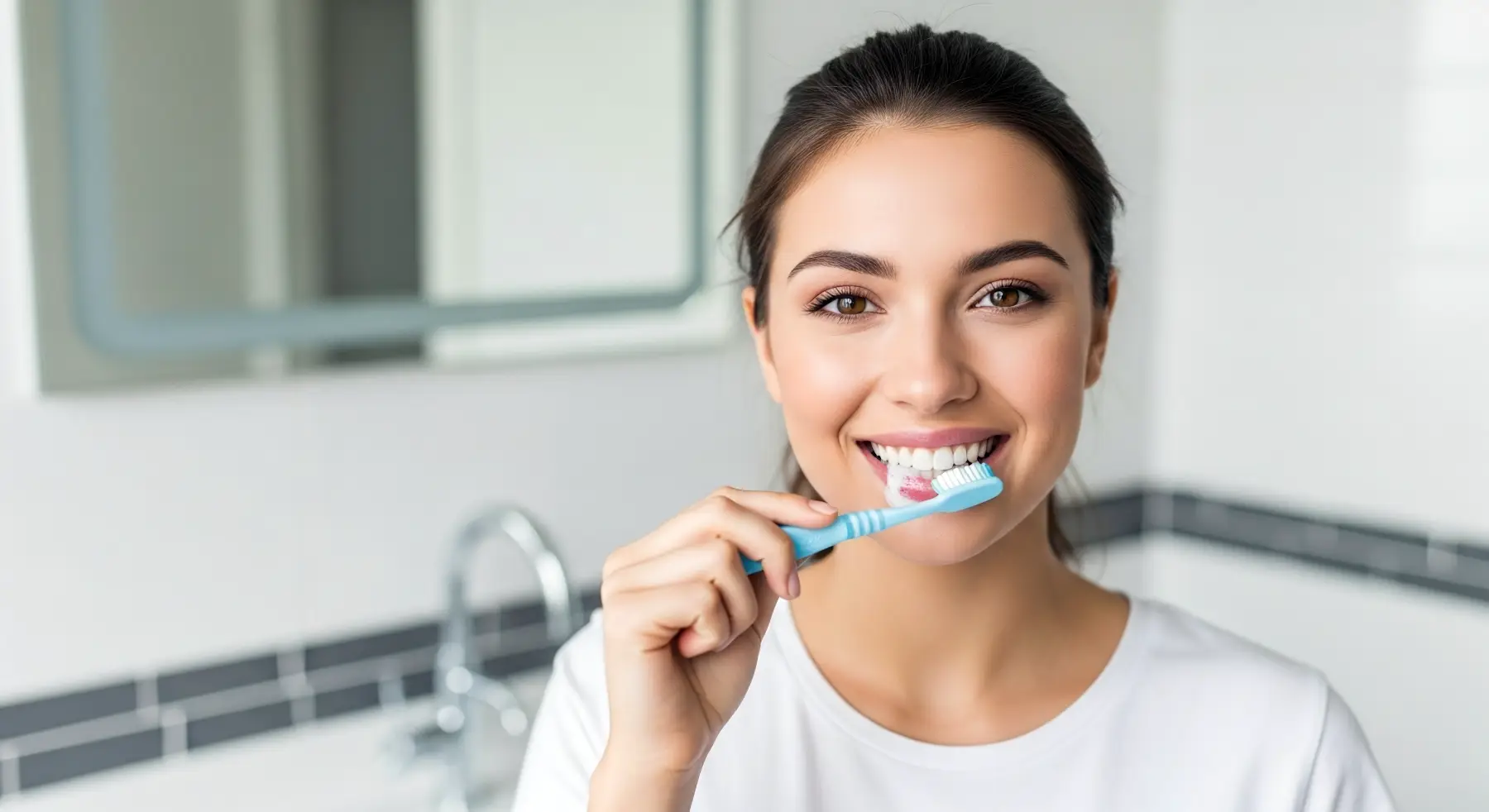
Start by learning the right brushing technique and brushing at about a 45-degree angle towards the gumline. It’s all about making small, gentle circles rather than scrubbing away with a lot of pressure. Brush your teeth twice a day for at least two minutes, making sure to get the outside surfaces, inside surfaces, chewing surfaces and back teeth. This will help reduce plaque and support healthy teeth, gums, and overall oral hygiene.
Pressure matters; if your toothbrush bristles flare out quickly, you’re probably brushing too hard, and soft bristles are going to be kinder on your gums and leave your teeth clean without overbrushing.
Using Dental Floss to Clean Between Your Teeth
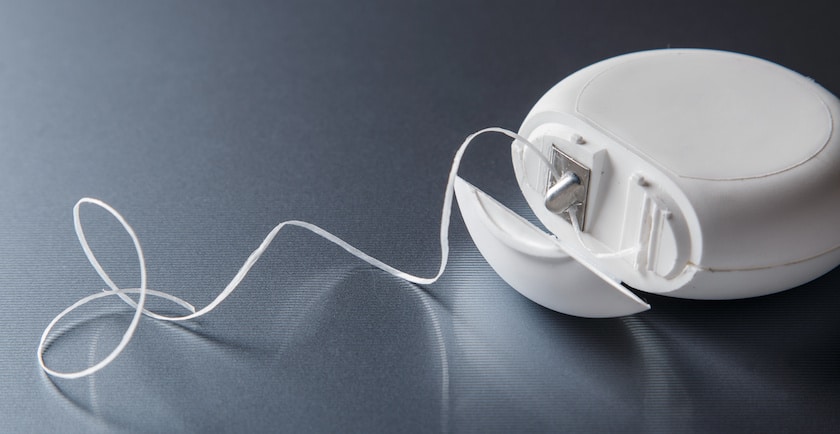
Brushing alone can’t get to every single tooth surface, which is why interdental cleaning is such an important part of your daily oral care routine. Tools like dental floss, interdental brushes and water flossers help remove plaque and food debris from those tricky areas that get missed during brushing.
When you floss, gently guide that floss between the teeth rather than snapping it into the gums. Curve it around each tooth in a C shape, slide it slightly below the gumline and work it up and down to remove any buildup. And remember to use a fresh piece of floss with each tooth. Regular cleaning between the teeth helps reduce plaque and the risk of cavities and gum disease. If your gums continue to bleed even with gentle daily flossing, it’s time to schedule a dental visit.
Give Your Tongue a Deep Clean and Check Your Smile
Your tongue harbours bacteria, and that is a major source of bad breath, with about 80% of bad breath originating from there. Don’t just stop at daily brushing; clean your tongue with a gentle touch afterwards using a tongue scraper or your toothbrush. A tongue scraper in particular is great at removing bacteria and food debris from the tongue, taking out the especially nasty bacteria that can wreak havoc on oral hygiene.
Next, take a quick peek in the mirror. Take a closer look at your gumline, your back teeth, and those areas where food tends to get stuck. Are they getting covered in plaque? If you keep seeing the same old tartar, redness, bleeding or stains that just won’t go away, they could be a sign of oral health issues which need a pro to take a closer look.
What You Really Should Leave to the Dental Hygienist
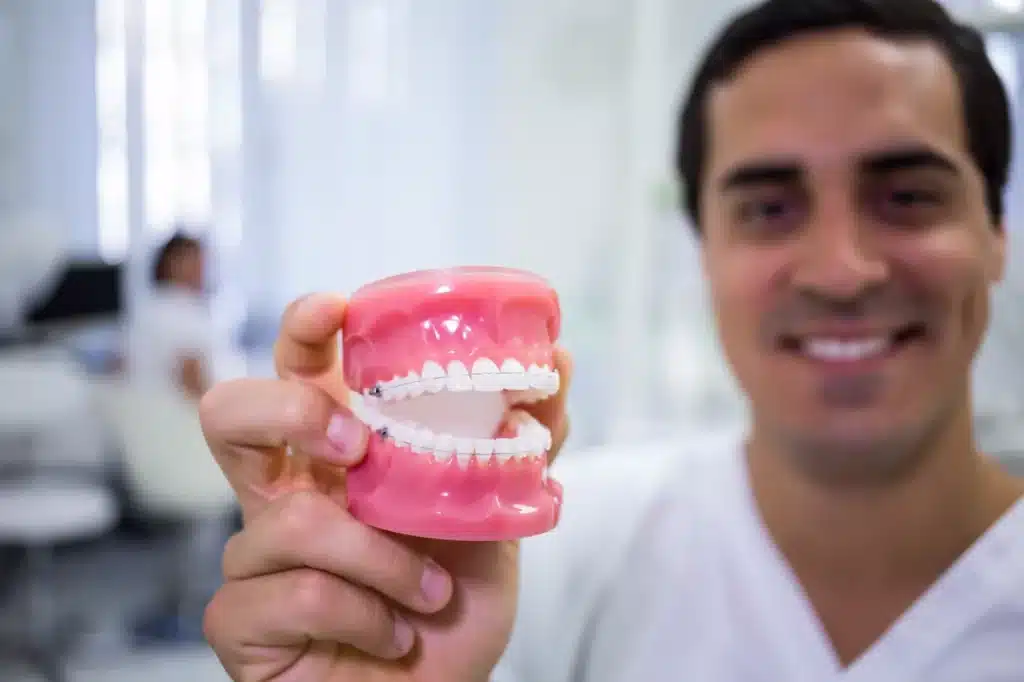
A good at-home oral care routine is great, but there are some things that you should just leave to the dental pros. For example, when tartar hardens, it’s a real pain to get rid of with regular brushing, and the plaque that’s hiding under the gumline needs specialised tools to get it out safely and effectively.
Steer clear of using metal picks, do-it-yourself scaling kits, or any other sharp instruments at home. They can easily injure your gums, scratch away at your enamel, damage dental work, or even push that nasty bacteria even deeper below the gumline.
And please, exercise some caution with whitening your teeth. Remedies like lemon juice, charcoal scrubs, abrasive powders or super concentrated peroxide mixtures might get rid of some stains, but they can also irritate your gums and wear away at your enamel if you use them incorrectly.
Signs Your Teeth Need More Than a Home Cleaning
There are times when your mouth will tell you that just brushing and flossing isn’t enough. One of the most common warning signs is bleeding gums. A little bit of bleeding when you’re just starting to floss may go away, but ongoing bleeding, swelling, tenderness, or redness could be a sign of gum inflammation or gum disease.
And don’t even get me started on persistent bad breath. If it doesn’t get any better after you brush, floss, clean your tongue and drink some water, there’s a good chance that there’s bacteria trapped under the gums, around dental work or in areas that you just can’t get at at home.
Visible tartar is another cause for concern; it usually appears near the front bottom teeth or along the gumline as a yellowish or brownish buildup. Once it hardens, you can’t just brush it away.
When a Trip to Los Algodones is Worth It for Dental Care
If you’re just looking to improve your home brushing routine, then you might be all good. But if you see tartar, bleeding gums, worn-out dental work, missing teeth or ongoing sensitivity, then it’s probably time to have a chat with a dentist.
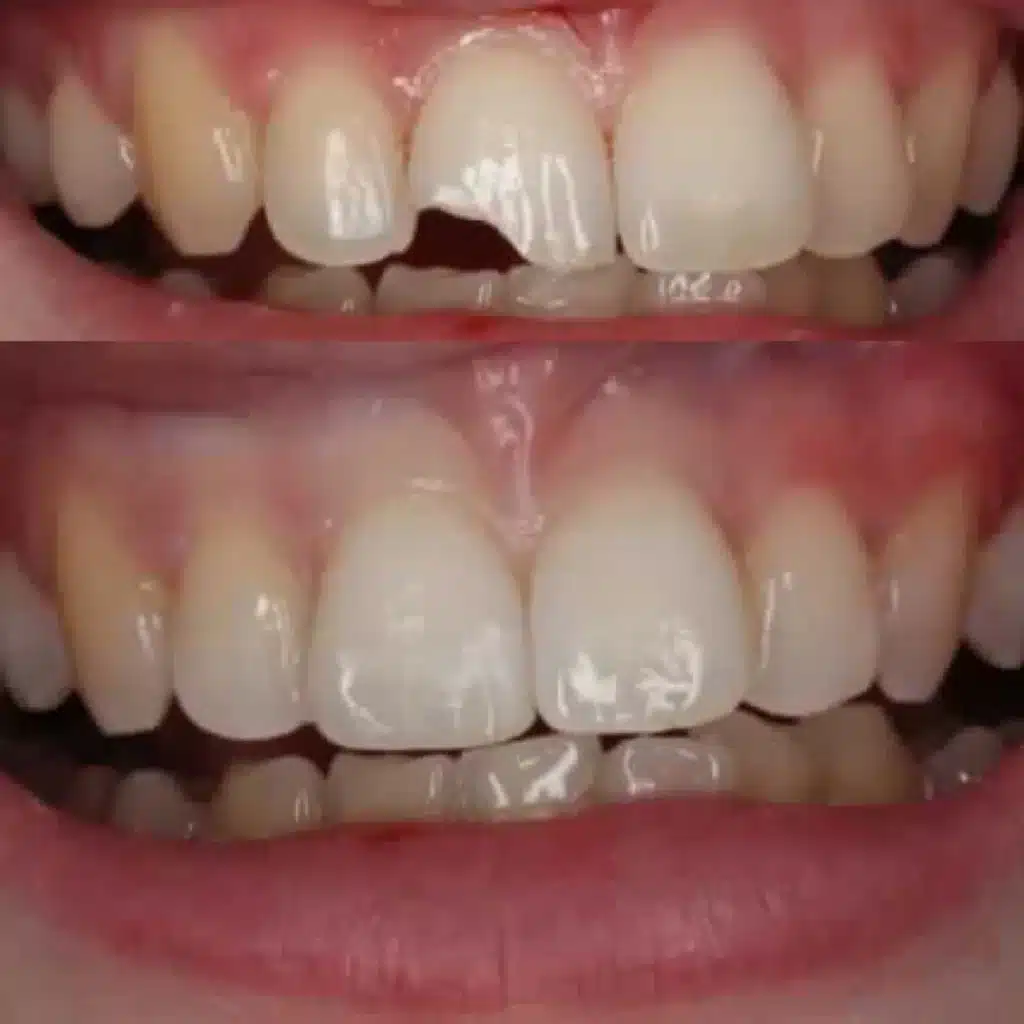
At Dental del Rio in Los Algodones, we work with patients from the US and Canada who are looking for quality dental care at a price that’s a lot more palatable than what they’d pay back home. And with regular dental checkups and professional cleanings, you can catch any dental issues or oral health problems before they get out of hand. Los Algodones is also a pretty convenient and accessible option for people from the border region.
We’re a family-owned clinic with bilingual staff, clear pricing and all the state-of-the-art equipment and materials that you’d expect from a top-notch dental practice. We also offer a Free Virtual Diagnostic so you can start the conversation before you even make the trip. Dentists usually recommend getting a professional cleaning every 6 months, and seeing the dentist regularly for those regular dental visits will help you keep optimal oral health, even if you’re taking good care of your teeth at home.
It’s All About The Daily Habit
The best way to keep your teeth looking sparkly clean at home is by following a consistent oral hygiene routine that keeps your teeth clean and supports a healthy smile: prevent buildup, take care of your gums, use a gentle technique, and know when to bring in the pros.
If you’re seeing tartar, bleeding gums, sensitivity or dental work that’s getting hard to clean, ask for a Free Virtual Diagnostic and we’ll get you a quote. A cleaner smile starts at home, and a balanced diet that includes all the right foods can help keep your teeth clean and your overall health in check. For example, eating crunchy fruits can help scrub away plaque and stimulate saliva production, while green tea polyphenols may reduce bacteria in the mouth. But proper guidance from a dentist is what will really keep it going for the long term.
FAQ
Can I Deep Clean My Teeth at Home?
No, not in the way that a pro would do it. You can improve your plaque control at home, but scaling and root planing should be left to a trained dental pro. Use baking soda sparingly at best, once or twice a week.
Can I Remove Tartar at Home?
No. Once plaque hardens into tartar, it’s usually time to bring in the pros with some dental tools.
What Is The Best Way to Clean Teeth at Home?
The best way to keep your teeth clean at home is by brushing twice daily with fluoride toothpaste, flossing once a day and keeping your tongue clean. Oil pulling may have some extra benefits, but it should never replace brushing and flossing.
When do I need to make a reservation with my dentist for a cleaning?
You should probably book an appointment with your dentist if you start to notice stuff like tartar building up, your gums are bleeding, they’re puffy and swollen, you’re in pain, you’ve got bad breath that just won’t quit, your teeth are super sensitive, or it’s just impossible to properly clean around a particular piece of dental work.
But regular check-ups do more than just keep your teeth looking good; they also help you catch any potential problems like tooth decay early on, meaning you can get them sorted before they become real issues, and you can also reduce your risk of oral cancer, as well as other problems linked to smoking and boozing.