

Even a tiny chip, a small gap, or that one uneven edge can make a big difference in how you feel about your smile. And that’s exactly why lots of people turn to composite bonding teeth as an easy, low-key way to refresh their smile, without going for a more involved cosmetic treatment first.
What’s Composite Dental Bonding?
Composite bonding is a cosmetic dental treatment that uses tooth-colored resin to sort out minor imperfections like chips, gaps, uneven edges, and mild discolouration. The resin is slapped onto the tooth, carefully shaped to get it just right, hardened with a special light, and polished to blend in seamlessly with the surrounding teeth. Because it usually doesn’t involve mucking about with the natural tooth structure, composite bonding is considered a pretty conservative option compared to porcelain veneers, but it’s best suited for small to moderate cosmetic concerns rather than serious damage or deep decay.
What Can Cosmetic Bonding Fix?
Composite bonding is great at sorting out visible flaws on healthy teeth. Dentists might recommend it for small chips, minor cracks, small gaps, uneven edges, short-looking teeth, mild discolouration, or a bit of a shape imbalance.
The big plus is that bonding can give you a noticeable improvement without a lot of fuss. A chipped edge can look smoother, a small gap can look less noticeable, and an uneven tooth can blend in better with the rest of your smile.
But it does rely on the tooth being healthy in the first place. If there’s untreated decay, gum inflammation, or a big fracture, bonding on its own might just cover up the problem instead of fixing it.
Is Dental Composite Bonding More About Cosmetic or Functional Issues?
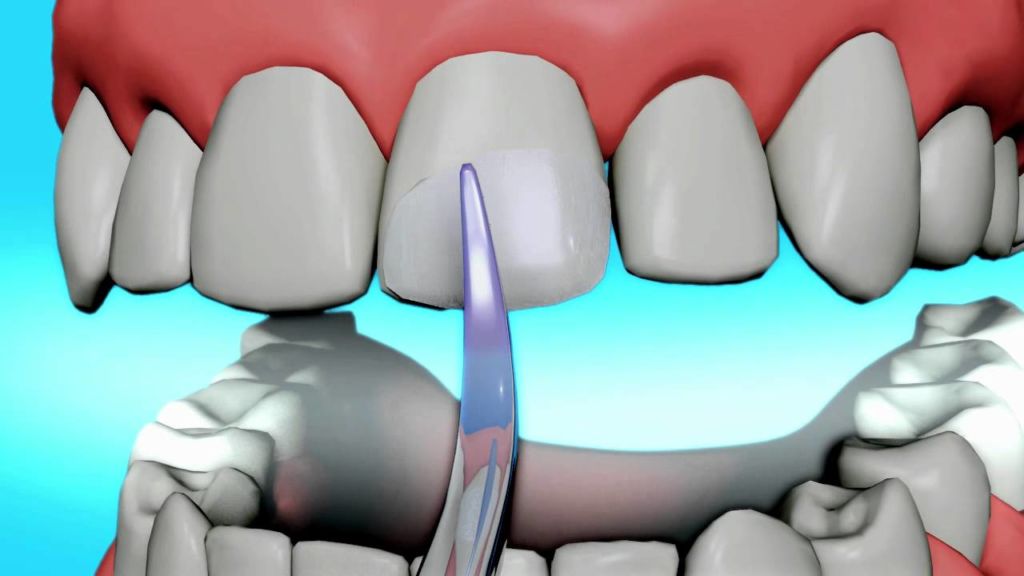
Composite bonding is mostly about cosmetic smoothing; it can tidy up a small damaged area, but it’s not the same as a full-on restorative treatment.
So, for instance, it might work pretty well for a small chip on a front tooth. But a big fracture, deep cavity, missing tooth, or major bite issue is likely to need a crown, implant, orthodontic treatment, veneers or something else entirely.
That’s why a personalised consultation is a good idea, especially if you’re travelling for dental care.
How Does the Composite Bonding Procedure Generally Work?
The teeth bonding process is usually pretty straightforward and can be done in a single visit. Your dentist will take a gander at the tooth, chat with you about your cosmetic goals, match the resin to your natural tooth colour, prepare the surface, slap on the material, shape it to get it just right, then harden and polish it for a natural-looking finish.
In most cases, you won’t need an anaesthetic. But if the procedure involves treating decay or repairing more serious damage, numbing might be needed.
While bonding is often quicker than treatments that need custom laboratory restorations, getting a natural-looking result still depends on careful shade matching, precise shaping, polishing, and bite adjustments.
Who’s a Good Candidate for Cosmetic Dental Bonding?
A good candidate usually has healthy teeth and gums, and small to moderate cosmetic concerns. Bonding might be a good fit if you’ve got minor chips, small gaps, uneven edges, or mild discolouration that doesn’t respond well to whitening.
It might not be the best option if you grind your teeth heavily, bite your nails, chew ice or have untreated dental problems. Those habits and conditions can affect how long the resin lasts.
Composite Bonding vs Veneers: Which One Makes More Sense?
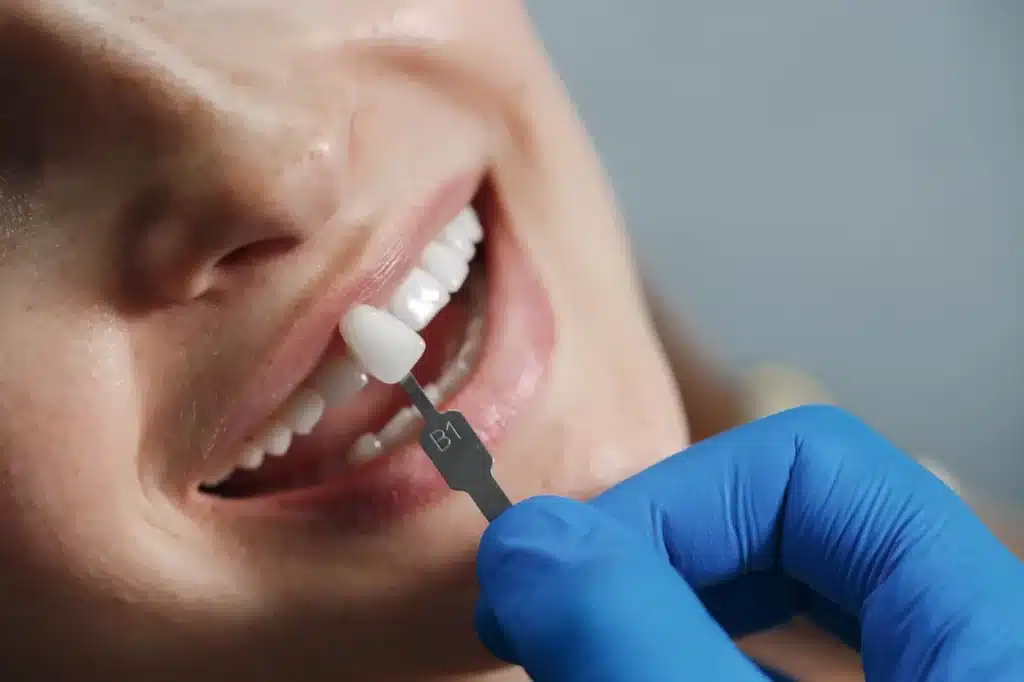
Composite bonding and veneers can both improve your smile, but they cater to different needs. Bonding uses composite resin applied directly to the tooth, while veneers are thin shells that cover the front surface.
Bonding is usually the more conservative and often more affordable option upfront. It can be a good choice for small chips, minor gaps, uneven edges or a quick smile refresh.
Veneers might be a better fit for bigger cosmetic changes, deeper discolouration, broader smile makeovers, or stronger stain resistance. They usually require more planning and more tooth preparation.
| Option | Best for | Main advantage | Main limitation |
| Composite bonding | Small chips, gaps, uneven edges | Fast, conservative, often more affordable | Can stain or chip |
| Veneers | Larger cosmetic changes | Durable and stain-resistant | More involved and usually higher cost |
How Long Does Composite Bonding Last?
Composite bonding, just like other cosmetic dental treatments, can last several years with good care, but it’s not forever. Coffee, tea, red wine, tobacco, nail biting, ice chewing and teeth grinding can all shorten its lifespan.
The good news is that bonded teeth can often be repaired, polished or refreshed if the issue is minor. Regular dental cleanings also help your dentist keep an eye on the edges and catch small problems early.
To keep your bonded teeth looking their best, brush and floss daily, avoid biting hard objects, limit stain-heavy habits, schedule checkups and ask about a night guard if you grind your teeth.
How Much Does Composite Bonding Cost?
Composite bonding cost depends on the number of teeth treated, case complexity, bonding materials, location, and whether additional treatments are needed. A small repair on one tooth won’t cost the same as bonding several front teeth.
In the States, bonding is often priced in the hundreds per tooth, which can add up fast. That’s one reason many patients compare treatment options in Mexico. Still, cost is not the only game in town; there are plenty of other factors to consider as well. Materials, the technique your dentist uses, communication, and getting the planning right all count just as much as how much it’s going to cost you.
Why Dental Del Rio in Los Algodones Can Make Your Treatment Planning A Breeze

Los Algodones is super popular with patients looking to cross the border and get some dental work done. At Dental Del Rio (DDR), we’ve got international patients covered, too. Our staff can speak to you in your own language, we’ve got state-of-the-art equipment and materials on hand, a shuttle service to take you to and from your appointment, and we can even help you find a place to stay.
Los Algodones is one of Mexico’s top destinations for dental treatment from the US and Canada, and because we’re based there, you can expect to save a small fortune on your treatment in comparison to what you’d pay in the US.
The town itself is also a lovely bonus. When you’re not busy getting your teeth sorted out, you can wander around the markets, try some of the local grub, and get a bit of a flavour of what life in a typical Mexican town is like, all without having to book a major holiday.
Is Composite Bonding Worth The Cost?
Composite bonding can be a good option if you’re looking to fix up a small cosmetic issue without getting into a more involved treatment. It’s particularly useful for tiny chips, small gaps, uneven edges, or a tooth that just looks a bit out of sync.
But just because composite bonding can sort out small issues doesn’t mean it’s always the answer. If you’ve got severe staining, a big gap, missing teeth, major bite problems, extensive wear, or a large fracture, you might need to think about veneers, dental crowns, implants or even braces, or a combination of treatments.
At DDR, we can take a look at your case and give you a clearer idea of what will work for you with our Free Virtual Diagnostic. We can help you decide whether bonding is the right approach for you, or if you need to explore other options.
FAQ
Does composite bonding hurt or damage your teeth?
Actually, composite bonding is usually pretty gentle and rarely requires much, if any, enamel removal at all. But your dentist will still want to take a look at your enamel and overall tooth health before making a decision.
Can composite bonding sort out big gaps?
If you’ve got a small gap, bonding can probably sort you out. But bigger gaps might need something a bit more involved, like orthodontics, veneers or a full-on cosmetic makeover.
Does composite bonding stain?
Yes, composite resin can stain over time, especially if you’re a coffee, tea, red wine, cigarette or poor oral hygiene fan. Regular cleanings and taking good care of your teeth will help keep things looking their best.
Can you still whiten bonded teeth?
Sorry, composite resin doesn’t whiten like natural enamel, so if you want a brighter smile, you’re likely going to need to whiten first before you get your bonding done.
Is composite bonding cheaper than veneers?
Yup, composite bonding can be cheaper upfront than veneers, but veneers might last longer and resist stains better.