
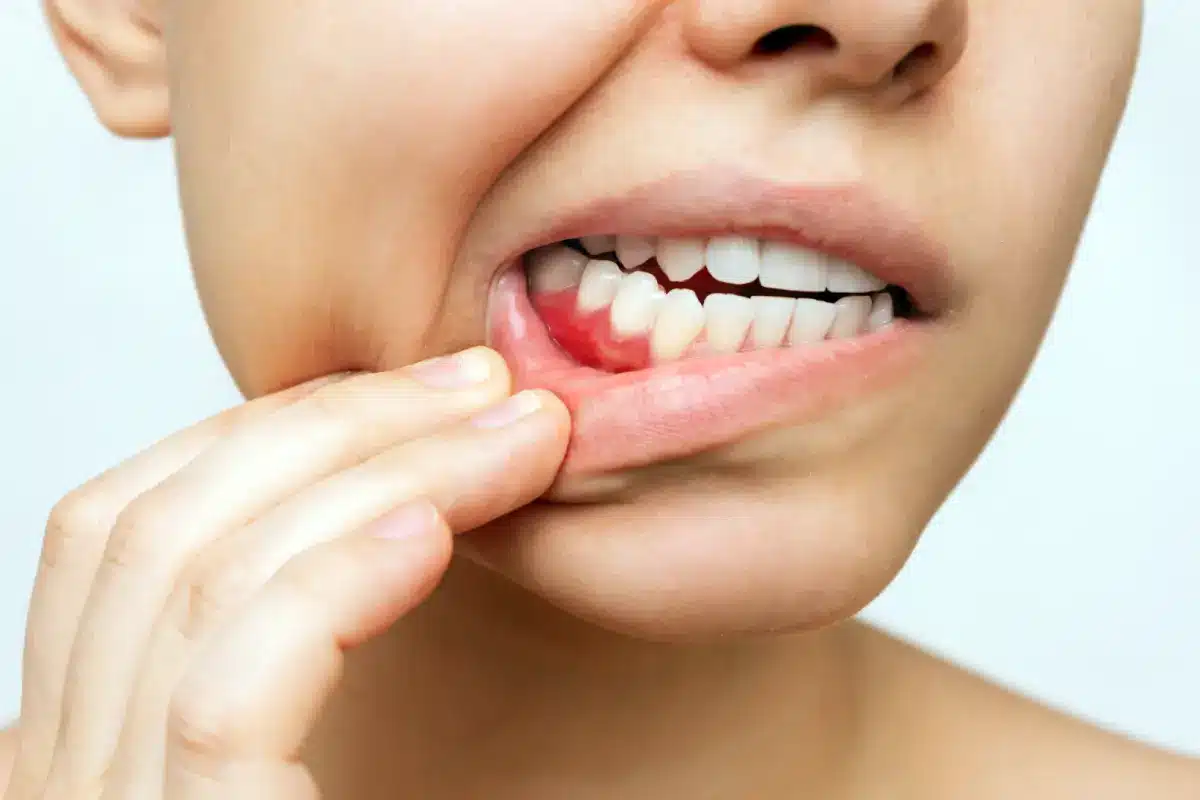
Bleeding gums are one of the most frustrating and scary dental health issues people deal with on a daily basis. And honestly, most of us tend to just sweep it under the rug and pretend it’s no big deal. But the truth is, that pink tinge in the sink after brushing your teeth is your body waving a red flag and saying, “Hey, something’s not right here.” So let’s get into how to prevent bleeding gums in the first place, what causes them, and when you should actually insist on getting some professional help.
- • Bleeding gums often point to gingivitis caused by the buildup of plaque along the gumline. The good news is that early gum disease can often be reversed with better oral hygiene habits.
• Use a soft-bristled toothbrush, brush gently twice a day, and floss daily. With proper care, your gums may start to improve within 3 to 10 days.
• If bleeding continues or you notice swelling, gum recession, or loose teeth, it could indicate periodontitis and should be evaluated by a dentist as soon as possible.
• Warm salt water rinses or diluted hydrogen peroxide may help soothe the gums. Cutting back on smoking and sugary snacks can also support healing.
• Sudden, heavy bleeding or bruising elsewhere on the body may signal an underlying condition, such as a bleeding disorder or vitamin deficiency, and warrants prompt medical attention.
What Are Bleeding Gums/Gum Disease Really All About?
Bleeding gums, to put it simply, is any blood coming from your gum tissue when you brush, floss, or even while you’re just eating or sleeping. And that little bit of pink in the sink? Yeah, that’s not normal. It’s your body’s way of telling you that something’s irritating or damaging your gums. Gum bleeding is usually the first sign of gingivitis, but it can also be caused by injury, vitamin deficiencies, medications, or even systemic conditions.
Gum bleeding usually happens in the following order:
- You eat, and within hours, plaque starts to form on your teeth, a sticky biofilm that’s basically just a breeding ground for bacteria
- If you don’t get rid of it, that plaque irritates your gumline, causing inflammation
- Inflamed gums become red, swollen, and start bleeding at the slightest touch. That’s what’s going on when you brush and floss and see all that pink.
If that’s left untreated, you can develop gum disease. If that ends up turning into an advanced form of gum disease, you’re at risk for gum recession, bad breath, bone loss, and even tooth loss. Not to mention, around 42% of U.S. adults over 30 have some form of periodontitis. So that’s not just some rare problem.
Main Causes of Gum Bleeding
Most gum bleeding is just because your oral hygiene is pretty sketchy, but there are a few other factors at play, too:
- Poor oral hygiene and plaque: When you skip brushing or flossing, plaque just builds up and hardens into tartar, creating little pockets where bacteria love to hang out and cause more inflammation.
- Gingivitis turning into gum disease: If you don’t catch it early, that early gum disease just gets worse and turns into some serious gum disease with pocket formation and bone loss.
- Hard-bristled toothbrush or aggressive brushing: If you’re brushing too hard, you’re just tearing up that delicate gum tissue and making bleeding worse.
- Flossing after a super long break: Gums that haven’t been flossed in weeks are gonna bleed for a bit till they start to heal.
- Dental appliances: If you’ve got braces or ill-fitting dentures, you’re making it super hard to get plaque off, which just makes things worse.
- Smoking and tobacco: Smoking just makes your gums take a huge hit, it suppresses your immune system and makes it way harder to notice bleeding.
- Hormonal changes: Hormonal changes can make your gums more sensitive and prone to bleeding, such as during pregnancy, puberty, or menopause.
- Vitamin C and K deficiencies: Vitamin C is important for gum health, and even a mild deficiency can make your gums more prone to bleeding. As for K, well, that’s all about blood clotting.
- Blood thinners and meds: Some medications just make your blood thinner, which means your gums are more likely to bleed.
- Systemic conditions: Diabetes, blood thinner issues, and immune suppression all increase your risk for gum disease.
- Nighttime teeth grinding or clenching can actually irritate your gums and make them bleed at night.
- Sudden, unexplained bleeding, combined with fatigue, frequent infections, or even bruising on other parts of your body? Yeah, that’s when you need to get to a doctor.
How Good Oral Hygiene Can Help Stop Bleeding Gums Quickly at Home
Okay, so your gums are bleeding, what do you do? Here are some quick fixes to get you back on track while you’re building better oral hygiene habits:
- Rinse your mouth gently with cold water to remove blood and debris. If a specific area is bleeding, apply clean gauze with light pressure for a few minutes.
- For injury-related bleeding, place an ice pack on the outside of the cheek for 10 to 20 minutes at a time.
- Use a soft-bristled toothbrush and brush gently along the gumline using small circular motions to reduce irritation.
- Avoid alcohol-based mouthwashes for a few days if your gums are especially sore, as they can cause further irritation.
- Avoid picking at your gums or using toothpicks, since this can worsen irritation and delay healing.
These measures will help stop bleeding right away, but they don’t replace a full treatment plan for gum bleeding. If your gums are bleeding and that keeps going on past 7 to 10 days, you need to get to the dentist.
Build a Daily Oral Hygiene Routine That Actually Works for Your Gums
Good oral hygiene is the foundation of keeping your gums and teeth healthy long-term. It’s also the number one way to prevent gum disease. Doing your oral hygiene routine every day can even help clear up mild gingivitis-related bleeding.
Brushing: Give your teeth and gum line a good brushing twice a day, for about 2 minutes a pop. Using a soft-bristled toothbrush is a good idea to avoid irritating your gums. And guess what? Brushing and flossing twice a day really does help cut down on plaque buildup.
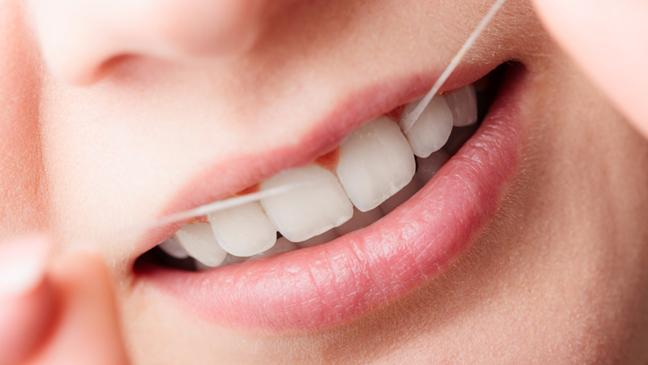
Flossing: Daily flossing is super important to get all the plaque between your teeth. Just gently slide some dental floss between each tooth, curve it into a “C”, and give the gum line a little clean without snapping on it. Use interdental brushes or a water flosser if flossing is hard to manage for you.
Make a point to replace your toothbrush or brush head every 3 months, or sooner if the bristles start to fray. A worn one just won’t clean as well as it should, and can even irritate your gums.
Mouthwash: Antibacterial mouthwash can help remove bacteria and soothe your gums. Choose an alcohol-free one, especially if you have a history of severe gum disease, and follow the instructions on the label. This is just part of taking good care of your teeth, but it’s not a substitute for actual brushing and flossing.
Most mild bleeding starts to clear up within 3 to 5 days and often stops within 7 to 10 days if you just get your oral hygiene routine down.
Rinses and Home Remedies: Salt Water, Hydrogen Peroxide, And Other Goodies
Simple rinses can help gum healing along, but don’t think they replace brushing, flossing, and visiting the dentist regularly. Think of them as extra help.
Warm salt water rinse: Just mix a half teaspoon of table salt in an 8-oz glass of warm water (not boiling!) and swish it around for 20 to 30 seconds, then spit it out. Using a warm salt water rinse a few times a day can help reduce bacteria buildup and bleeding. Try it 3 to 4 times a day for a few days to ease any inflammation.
Hydrogen peroxide rinse: Mix half-and-half with water and swish it around for up to 30 seconds, then spit it all out. Don’t swallow it. Hydrogen peroxide can actually help gum health and stop bleeding. Lots of research says that it can beat out a placebo for reducing gum inflammation and bleeding. But be careful not to overdo it, and just use it short-term or as your dentist says.
Green tea: If you drink 3 to 4 cups of unsweetened green tea per day, it might really help with gum health because of all the antioxidants in it. Just pick an unsweetened one to avoid feeding the plaque bacteria.
Making Lifestyle and Diet Changes to Help Prevent Gum Bleeding
Your overall health and what you eat can seriously impact whether or not you get gum disease and experience bleeding.
Cut sugar: Try to cut back on high-sugar and refined-carb foods, like soda and white bread, because these are just fueling the plaque bacteria. They also help build up on your teeth.
Get enough key vitamins: Eat lots of citrus fruits, strawberries, bell peppers, and broccoli for your vitamin C (aim for 65 to 90 milligrams). Make sure to get enough vitamin K by eating leafy greens like kale and spinach, too, because that helps with healthy blood clotting. It’s really simple to fix any deficiencies and help prevent bleeding gums.
- If you’re a smoker or vaper, please get help quitting ASAP, because smoking weakens your immune system, hides gum bleeding signs, and makes gum disease just way, way worse.
- If you drink a lot, cut back, because heavy drinking dries out your mouth, helps plaque grow, and just makes oral health worse.
- Take care of stress, because it can make you really inflamed and lead to gum bleeding. Just make sure you get enough exercise, sleep, and use relaxation techniques to manage chronic stress.
- Stay hydrated, okay? Drinking water keeps your mouth rinsed out naturally and helps stop dry mouth.
When to Seek Bleeding Gums Treatment at Dental Del Rio
Occasional gum bleeding may improve with gentler brushing, daily flossing, and better oral hygiene habits. However, if your gums continue to bleed for more than 7 to 10 days, become red, swollen, or painful, or you notice pus, persistent bad breath, a bad taste in your mouth, receding gums, or loose teeth, it’s time to schedule a dental evaluation. Sudden bleeding that appears without an obvious cause or quickly becomes more severe should also be assessed promptly.
At Dental Del Rio, regular dental visits help remove plaque and tartar that brushing and flossing cannot reach, reducing the risk of advanced gum disease and preventing it from progressing. If buildup beneath the gumline is contributing to the bleeding, treatments such as deep dental cleaning (scaling and root planing) may be recommended.
If the cause is not dental, a physician can investigate other possible factors, including vitamin deficiencies, blood disorders, hormone fluctuations, or diabetes. Our team of professionals provides personalized care backed by more than 100 years of combined experience, plus we are proud members of the American Dental Association. along with free virtual diagnostics to help you take the first step toward a healthier smile from the comfort of home.
Frequently Asked Questions about Preventing and Managing Bleeding Gums
How long does it usually take for gum bleeding to stop when I actually start taking care of my teeth?
If your bleeding gums are just from a little bit of early gum disease, then you might start to see some improvement in about 3 to 5 days after you’ve been brushing and flossing every day, and stop totally in about 7 to 10 days. But if the bleeding doesn’t stop, gets worse, or comes with pain or swelling, then you should go see a dentist right away.
Can bleeding gums fix themselves without me having to do anything?
The truth is, bleeding gums from plaque and gum disease probably won’t just clear up on their own without you doing some serious work on your oral hygiene. They might stop for a bit, but they probably will come back. Leaving it alone just makes it more likely to get worse and turn into this super serious thing called periodontitis, which basically wrecks your gums and can even make you lose your teeth.
Is it normal for my gums to bleed when I start flossing again after being away from it for a while?
It’s pretty common but not really normal. If you have been neglecting your gums for a while, then they might bleed for a bit when you start flossing again, and that can take a few days. Just keep at it and do it gently every day with the proper technique, and your gums should be all good within about a week. Though if they don’t stop bleeding, you should probably go see a dentist.
If my gums bleed every time I floss, should I just quit flossing?
No way. Stopping will probably just make things worse for your gums. What you should do is just floss a little more gently but a lot more consistently to get all the old bacteria and stuff out and calm down the inflammation. And if you’re doing it all wrong, then just ask a dentist or hygienist to show you what they mean.
Will using mouthwash magically make my gums stop bleeding?
Nope. Mouthwash, even the kind with hydrogen peroxide or antibacterial bits in it, can help support your oral health and all that, but it can’t replace actually brushing and flossing and getting real dental care. What it can do is help out if you don’t floss as much as you should and supplement your regular dental check-ups.