If you’ve ever wondered “at what age can you get Invisalign?” the answer is probably younger than you think. In fact, it’s possible to start Invisalign treatment as early as age 6, and there’s no upper age limit if you’re looking to sort out a wonky smile. Whether you’re a parent trying to figure out the best teeth straightening options for your kid, or you’re a grown-up looking to get a straighter smile for yourself after all these years, well, age is probably less of a key factor for effectiveness than you might think.
As the American Association of Orthodontists advises, it’s a good idea to get your child in to see an orthodontic specialist for a thorough evaluation by the time they’re 7 years old, before any long-standing dental issues start to develop.
But don’t get hung up on that age; what really counts is the state of your dental health. Are your gums and bones healthy enough to support Invisalign? Are you dealing with any pretty big alignment issues? And can you commit to wearing those clear aligners for a solid 20-22 hours every day?
- Ages 6–10 (Phase 1): This is where early intervention comes in, to guide those young jaws, make room for all those incoming permanent teeth, and address issues like crossbites.
- Ages 12–18 (Teens): This is probably when most of your permanent teeth have come in, and Invisalign Teen is a popular choice around ages 12 to 14.
- Ages 18+ (Adult patients): If you’ve got healthy teeth and gums, you’re a candidate for Invisalign. It’s not about how old you are; it’s about whether you’re going to develop properly.
Invisalign clear aligners can genuinely improve your oral health by straightening your teeth properly; they become easier to clean and reduce the risk of other dental issues like cavities and gum disease down the line. So if you or your kid are wondering about this fancy, virtually invisible orthodontic treatment, the next step is to book a consultation with a professional to see if you’re a good candidate.
What Is Invisalign Treatment and How Does It Work?
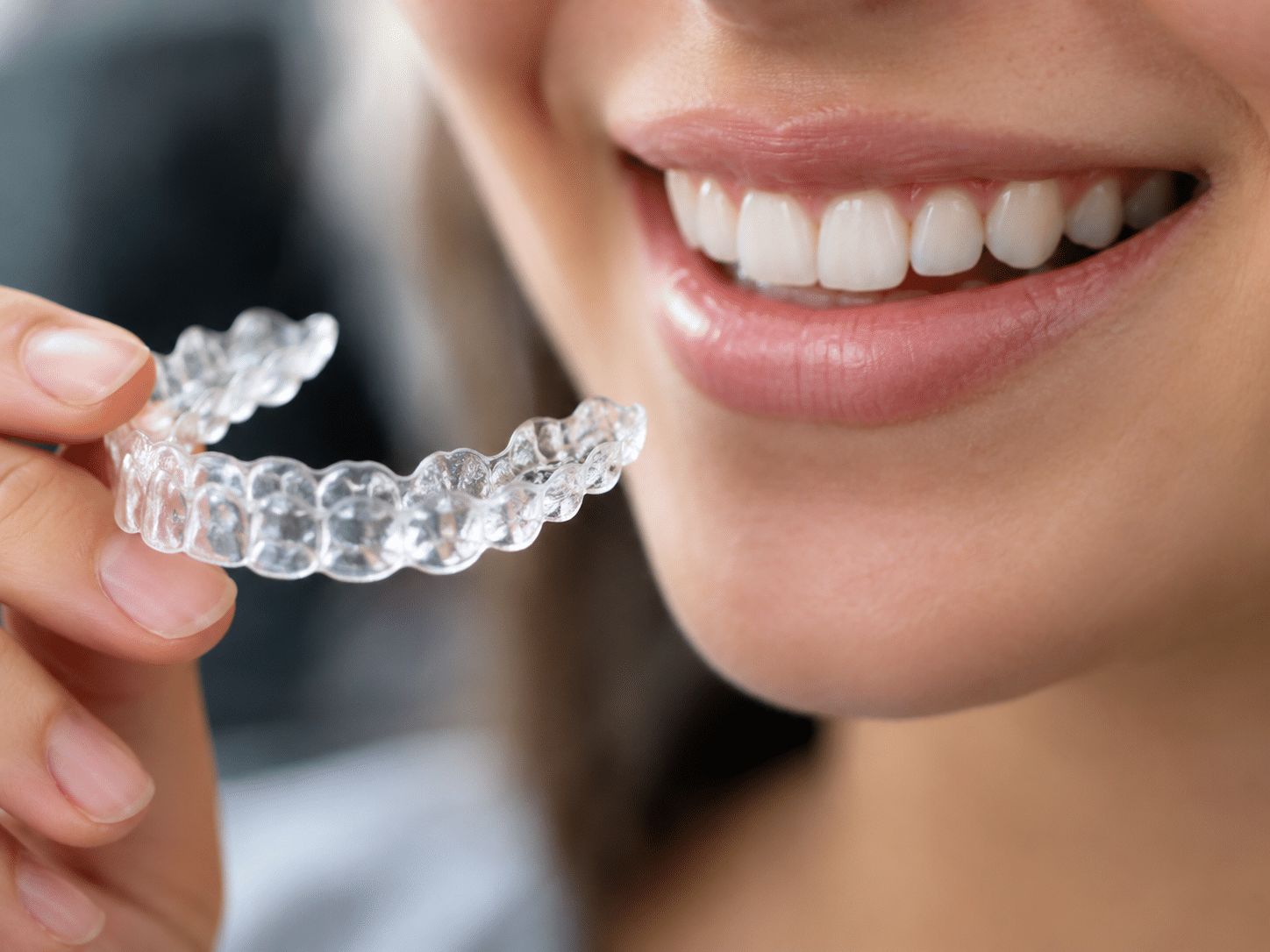
Invisalign is a bit of a game-changer: a modern orthodontic treatment that uses a series of custom-made clear plastic aligners to gently nudge your teeth into their proper place. No more brackets and wires like traditional metal braces! The Invisalign treatment process starts with a digital 3D scan of your mouth, which maps out every single stage of movement in advance.
Then, you swap to a new set of aligners roughly every two weeks, and each set makes some small, controlled adjustments to sort out alignment issues like overtly crowded teeth, gaps, or over/under bites. You wear the aligners for around 20-22 hours a day for optimal results, and because they’re removable, you can brush and floss like normal without having to navigate around any pesky brackets.
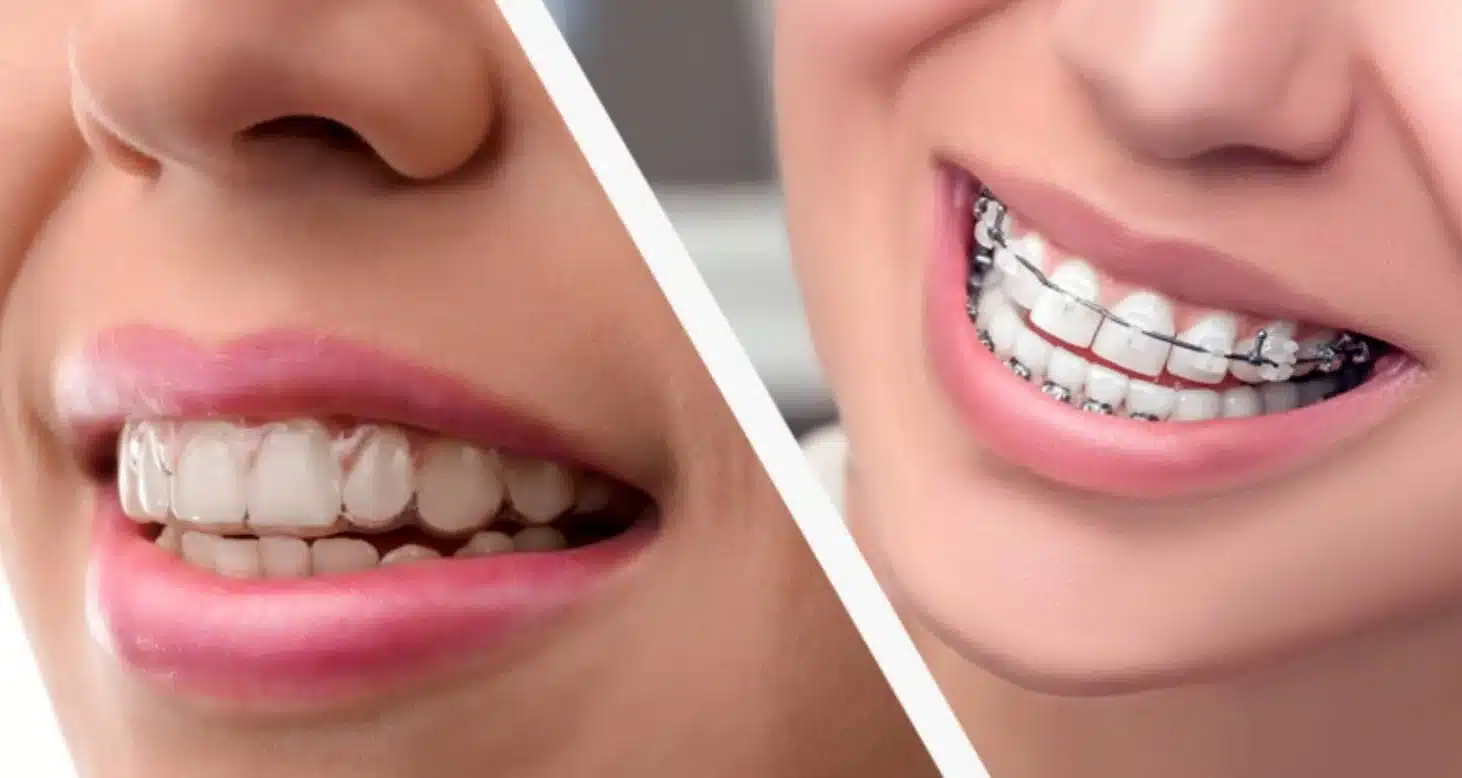
Compared to traditional braces, Invisalign is way more comfortable, with less irritation to your gums. There are no dietary restrictions, and you’ll need fewer dental appointments during treatment. Plus, there are different Invisalign products to suit different age groups and needs: Invisalign First for kids, Teen versions with compliance indicators, and comprehensive systems for adults.
Minimum Age: When Can a Child Start Invisalign?
Most kids can be evaluated for clear aligners around ages 6 to 7, when they still have baby teeth, but their permanent teeth and young jaws are coming in. Invisalign First is used for early intervention between ages 6 and 10, which makes it a viable orthodontic solution even before all your adult teeth have come in.
Phase 1 treatment is a pediatric-focused approach designed to guide jaw growth, make space for incoming permanent teeth, and help prevent more serious orthodontic issues later on. It’s a pre-emptive approach, addressing foundational problems before they become full-blown teeth straightening problems. Full comprehensive Invisalign treatment usually starts closer to ages 10 to 12, once enough of your permanent teeth have come in, and those baby teeth have started to fall out.
For younger patients, there are some practical requirements to keep in mind:
- They need to be able to follow the rules about wearing and caring for the removable aligners
- They need to be willing to keep up with good oral hygiene throughout treatment
- And you (the parent) need to be on top of making sure they wear their aligners for the right amount of time each day.
Early problems Invisalign can address in kids include narrow arches, emerging crowding, crossbites, and habits like thumb-sucking that affect their facial development.
Invisalign for Teens: Common Starting Age and Expectations
Teens are often the ideal candidates for Invisalign because their jaws are still growing, their teeth are more responsive, and, let’s be honest, they care about their appearance. Most teenagers need to have most of their permanent teeth come in before Invisalign can work effectively across the whole arch.
Invisalign Teen includes those little wear indicators (those blue dots that fade with use) to help the orthodontist and the parents keep an eye on whether the aligners are being worn the right amount of time each day.
For teen patients, the expectations are:
- You need to keep those aligners in during school, activities, and sleep time
- Remove them only for meals and brushing/flossing routines
- Show up for regular checkups to keep an eye on progress and dental health
- Be mindful of what you’re doing during sports or physical activities
Not every teenager is a suitable candidate for Invisalign. Cases involving severe bite problems, significant jaw irregularities, or extreme complexity might still need traditional braces or a combination of Invisalign and traditional treatments, the specifics of which would be explained by an orthodontist in a consultation.
Invisalign for Adults and Older Adults: Is There a Cut-off Age?
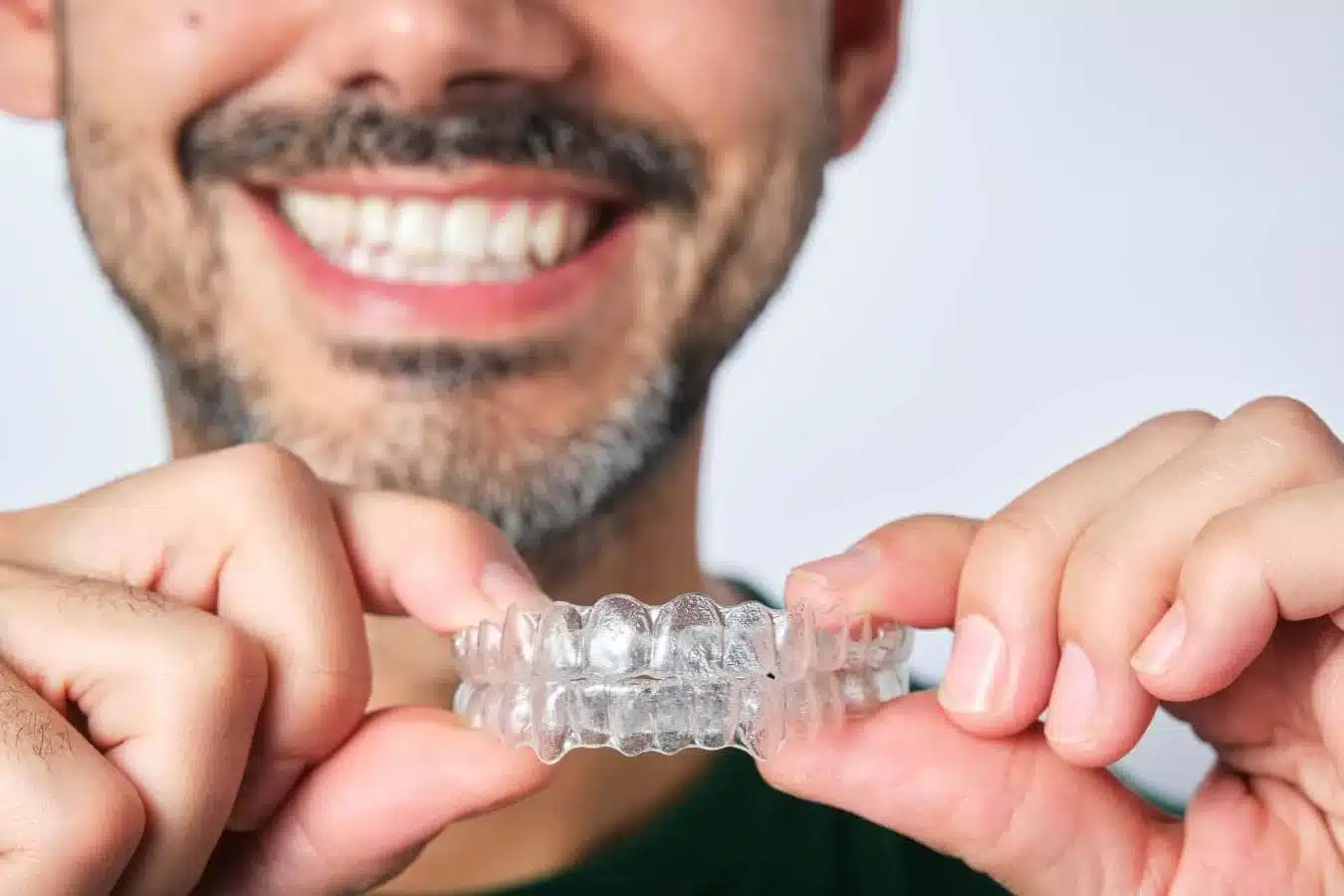
There isn’t an official upper age limit for Invisalign. Adults can be treated in their 20s, 40s, 60s, 70s, or even 80s, as long as their gums, teeth, and bone structure are in pretty good health. Invisalign can work just fine for adults with healthy teeth and clean gums, regardless of age.
Adult and older adult jaws are fully formed and tend to have more bone density, which means that tooth movement might be a bit slower than it is in younger patients. However, Invisalign aligners can still give a lot of people a chance to correct many of their alignment issues, even the ones that have been around for decades, and the results can be really impressive. Just like teenagers, adults need to wear their aligners for 20 to 22 hours a day.
Doctors will typically check on some things when evaluating older adults for Invisalign, such as their bone density, gum health (if they have any issues), whether there’s any major untreated decay, and how realistic they are about what the treatment is likely to entail. One of the advantages of Invisalign over braces is that it tends to require fewer dental appointments, which is a big draw for busy adults.
Key benefits for adults and older adults include:
- Easier eating, because their teeth are in a better position
- Easier cleaning around their teeth, which cuts down on the risk of gum disease
- A discreet way to straighten their teeth that’s perfect for social and professional settings
- No restrictions on the food they can eat, and they can continue to travel or enjoy their favorite foods without worrying about their aligners.
How Age Affects the Invisalign Treatment Time and Results
Invisalign clear aligners work for people of all ages, but the length of time that people have to wear them does vary. Typically, treatment lasts anywhere from 6 to 18 months, depending on how complex the case is. For people with pretty simple alignment issues, it can take just a few months to sort things out. Adults with moderate issues usually have to wear their aligners for about a year.
Sometimes younger patients can see their teeth move faster because their bones are still growing and can remodel a bit more easily. Adults, on the other hand, tend to have sturdier bones that don’t move around as quickly. Neither scenario makes a difference for treatment success; it’s just a matter of adjusting the timeline.
Ultimately, good oral health and a consistent commitment to wearing the aligners is far more important than age. Take a responsible 50-year-old who wears their aligners faithfully every day, and they’ll probably finish up faster than a teenager who keeps taking them out. After the treatment is over, people of all ages still need to wear retainers to keep their teeth from shifting back.
Beyond Age: What Makes Someone a Good Candidate for Invisalign?
Age on its own doesn’t determine whether someone is a good candidate for Invisalign; what matters most is their oral health, the type of alignment issues they have, and whether they’re able and willing to stick with the treatment plan.
Ideally, people should have healthy teeth and gums, solid bone support, and no major cavities or gum disease that’s out of control. Invisalign can correct a range of issues, from mild to moderate crowding, gaps, and bite problems. But complex cases that involve underlying skeletal issues might require braces, surgery, or a combination of treatments.
For Invisalign to work, people have to commit to wearing the aligners for 20 to 22 hours a day; that means taking them out only to eat or brush their teeth. For kids and teens, this often means getting parents on board to help them stay on track. Adults, on the other hand, have to be willing to stick with it just as consistently.
The best way to figure out whether you’re a good candidate for Invisalign is to make an appointment with an orthodontist or a dentist who’s been trained to use Invisalign. A quick assessment and maybe some X-rays or 3D scans will give you a sense of whether Invisalign is the best option for your goals.
FAQ
Can my 8-year-old get Invisalign if they still have baby teeth?
Many 8-year-olds can start Phase 1 treatment with Invisalign First to guide jaw growth and make space for adult teeth. Full alignment typically waits until more permanent teeth erupt, but early intervention simplifies future care.
Is Invisalign safe and effective for seniors in their 60s or 70s?
Yes, Invisalign is safe and effective for seniors with healthy gums, stable oral health, and adequate bone density. An orthodontist will perform an exam and imaging to confirm candidacy.
Does age affect how uncomfortable Invisalign feels at the start?
No. Mild pressure is common across all ages when starting a new aligner set and resolves within a few days. Discomfort depends on personal pain tolerance rather than age, and soft foods or OTC pain relievers help.
Will I need different Invisalign plans for early treatment and later teen treatment for my child?
Yes, if early intervention is needed. Phase 1 (ages 6–10) targets foundational growth, while Phase 2 fine-tunes alignment once permanent teeth arrive. Your orthodontist will determine if your child needs two phases or just one later on.
Does Invisalign cost more for adults than for teenagers?
Not usually. Pricing is based on case complexity and duration rather than age. However, adult and pediatric insurance coverage may differ, so confirm benefits with your provider.