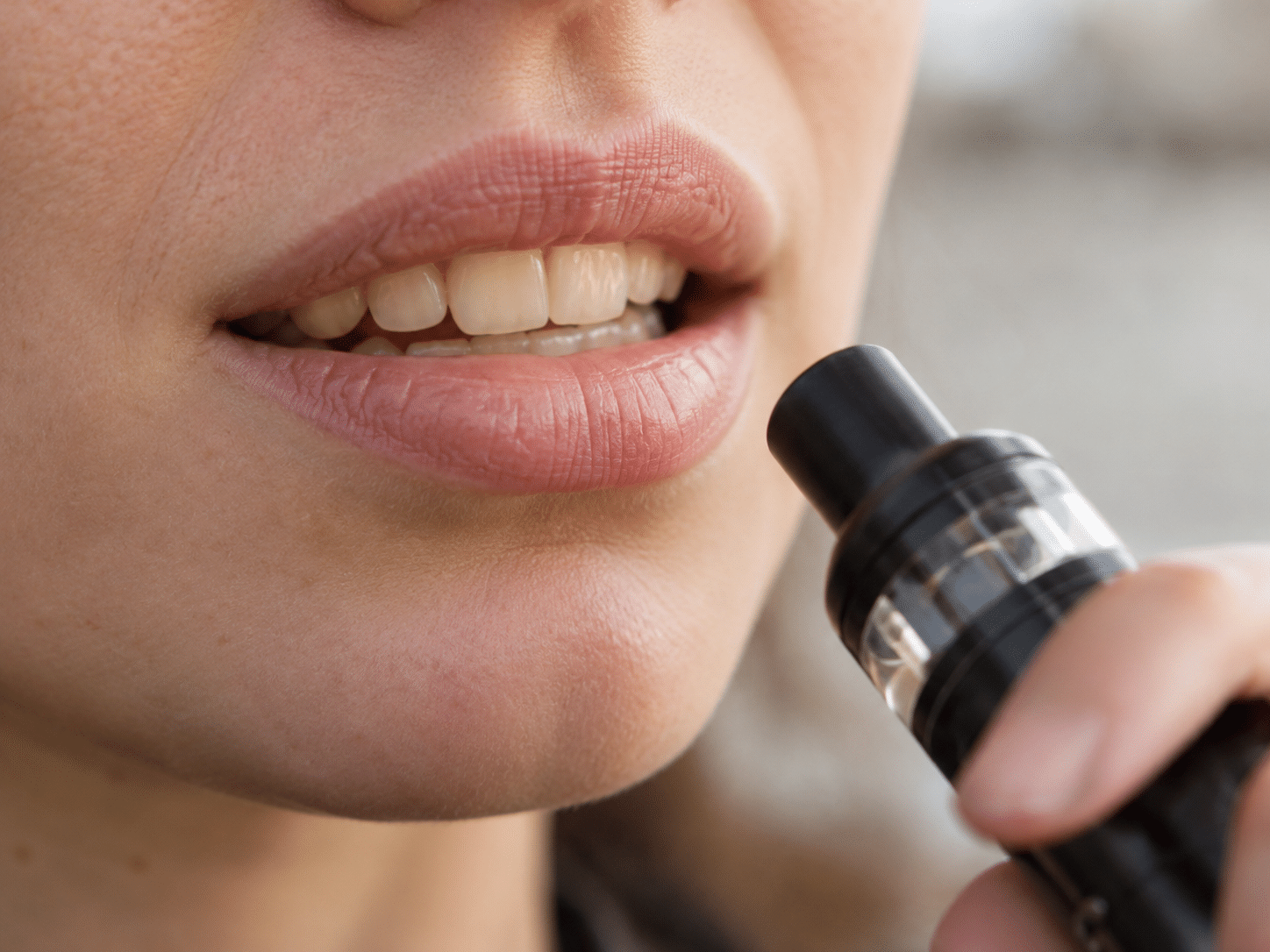
If you’ve been vaping regularly, you’ve probably been wondering, “Does vaping stain teeth or not?” The short answer is yes, vaping can stain your teeth, and it’s not just a cosmetic issue. Here’s what the science says about the long-term effects of e-cigarettes on your teeth, gums, and overall oral health, and what you can do about it.
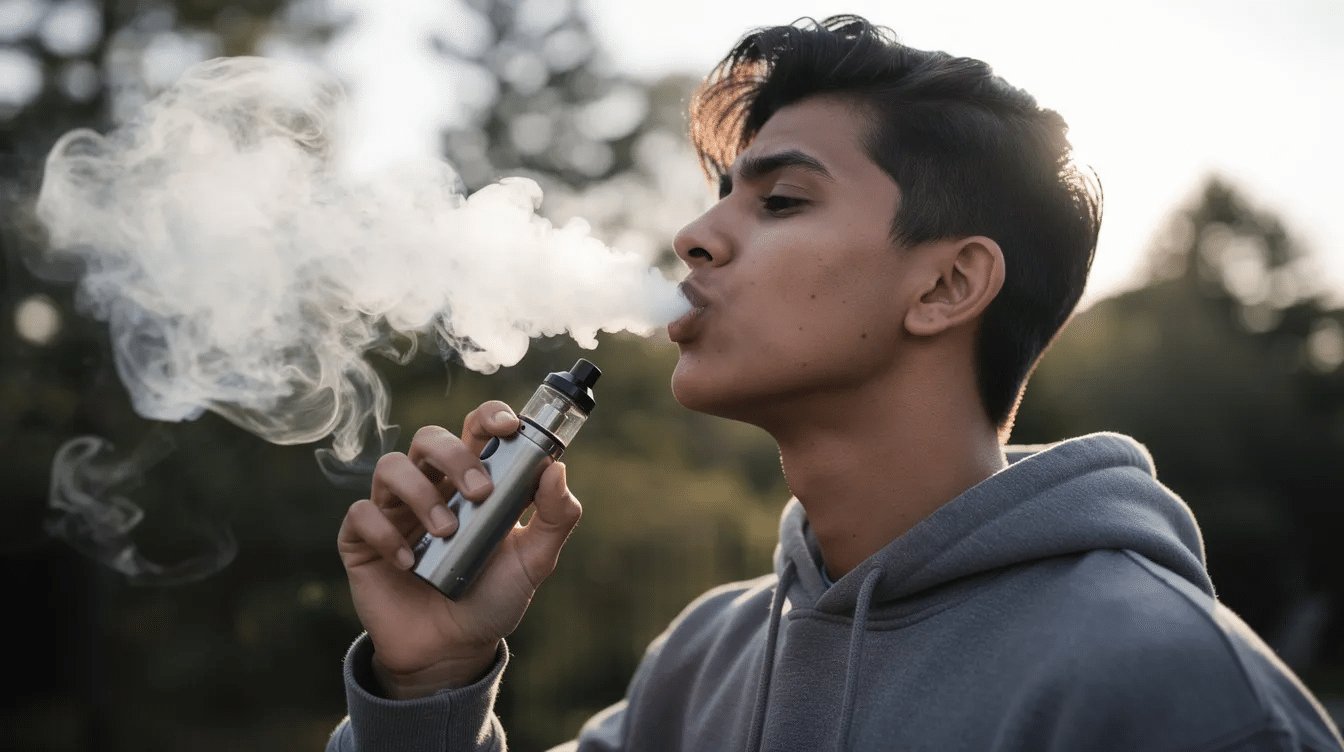
What’s Vaping & How Do E-Cigarettes Work?
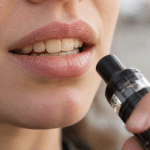
Vaping’s pretty simple: you inhale the aerosol produced by an e-cigarette, vape pen, or pod system. Unlike traditional cigarettes, you don’t have to deal with tobacco burning, but the potentially harmful chemicals the aerosol delivers to your mouth and lungs are still a concern.
A typical vaping device has four main parts:
- Battery: that powers the thing
- Heating coil: that gets the liquid hot
- Tank or pod holding the e-liquid
- Mouthpiece for taking a drag
The e-liquid inside contains things like propylene glycol and vegetable glycerin to help it dissolve, nicotine (sometimes in a stronger form), flavorings, and other stuff. Even “nicotine-free” options still expose your teeth and gums to all these chemicals; they just interact with your mouth a bit differently than cigarette smoke.
How Can Vaping Stain Your Teeth, Cause Dry Mouth, Plaque Buildup and Gum Disease?
Vaping can leave your teeth looking yellow because of nicotine stains, residue buildup, and changes in your mouth’s moisture balance. The e-liquids contain all sorts of things like propylene glycol and vegetable glycerin, flavorings, and other compounds that can leave residue on your teeth, allowing harmful bacteria to develop, and then all the color from your vape, coffee, tea, and red wine just builds up on them.
Nicotine itself might make your teeth look yellow, or repeated exposure to acidic e-liquids could mess with your tooth enamel. But how much effect it has depends on the stuff you’re vaping and your individual oral health.
Dry mouth (xerostomia) is another issue with vaping; reduced saliva production means you won’t have enough to help wash away food particles and stains, or give your teeth the calcium and phosphate they need to repair themselves. And that means plaque builds up more easily, leading to discoloration, tooth decay, and gum disease.
If you do end up with dry mouth, just drink some water, chew some sugar-free gum to stimulate saliva production, and keep up with good oral hygiene. And if you can, try to cut back on vaping, or stop altogether; that’s the best way to protect your teeth and gums.
Vaping vs. Smoking: Which Is Worse for Your Teeth?
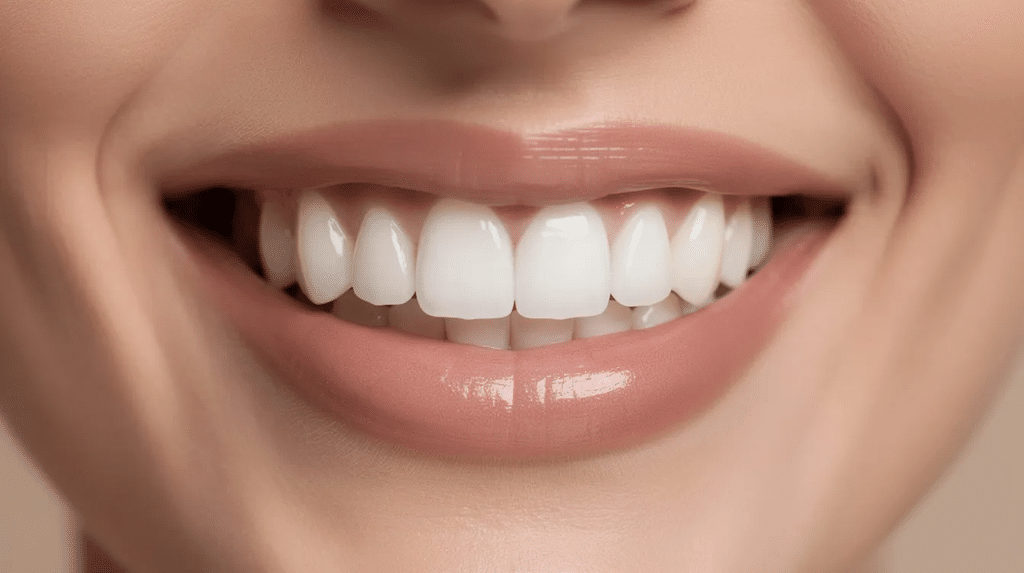
Smoking cigarettes gives you the worst of both worlds; it’s got tar and all these other nasty chemicals that just destroy your enamel and leave your teeth looking dark and grimy. E-cigarettes avoid all that tar business, and that’s why some see them as a safer alternative, but they still deliver nicotine and other irritants.
Both smoking and vaping affect dental health, but in different ways. Smoking tends to cause a lot more severe staining, faster. Some studies have shown that smoking can get the enamel just about completely discolored (that’s a 16 on the color change scale), while e-cigs can get it a bit stained, but not as much (that’s just a 3 on the color change scale).
Switching from smoking to vaping might make your teeth look a bit whiter, but it’s not as good as never smoking in the first place. And let’s be real, vaping isn’t stain-free; regular vaping will still get your teeth looking yellow, especially if you’re using a high-nicotine or dark-colored vape liquid. Both habits dry your mouth, tighten up your gums, and make dental procedures more complicated.
The best course of action is just to quit smoking and vaping altogether.
Other Oral Health Problems Caused by Vaping
Staining is just the tip of the iceberg when it comes to your oral health. Vaping can mess with almost every part of your mouth and cause many other dental issues.
- Gum recession
- Cavities
- Bad breath
- Tooth loss
- Mouth sores and throat irritation
- And even oral cancer
However, you can still protect your teeth and gums: maintain good oral hygiene, visit your dentist regularly, and quit vaping altogether as soon as you can.
Maintaining Good Oral Hygiene: Good Practices to Prevent Teeth Stains If You Still Vape?
Quitting vaping is still the best thing for your oral and overall health, but if you’re not ready to stop, there are some things you can do to limit the damage and prevent stains:
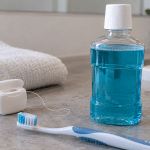
- Keep up with good oral hygiene practices: brush your teeth at least twice a day and floss regularly. Get those gums brushing too; that’s really important. Use a soft-bristled toothbrush, or you might wear away that enamel.
- Choose lighter flavors: Avoid those super dark or pigmented vape flavors like coffee or berry; less pigmented vape liquid tends to produce fewer stains.
- Give your mouth a good rinse after vaping: Take a swig of water and swish it around after you vape to get the sticky stuff out of your mouth and hopefully stop your mouth from getting too dry. Drinking plenty of water during the day will, in theory at least, help keep your teeth nice and healthy.
- Try not to have too many dark-coloured drinks: Coffee, tea, and red wine are all pretty bad news for your teeth, especially if you are vaping.
- Get a regular check-up, seriously: Make a dental appointment for every six months and get them to give your teeth a good clean. Professional cleanings can get into all the hard-to-reach places and remove any stains or plaque before they become a major problem.
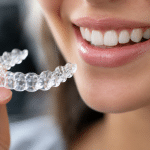
- Whitening might be an option: Depending on how bad the staining is, you might be able to get your teeth whitened by your dentist or using a whitening product they’ve recommended to remove surface stains. But it’s worth noting that results will vary, and the extent of the damage will depend on how thick your enamel is and how much it’s been battered.
Keeping an eye on your oral hygiene won’t make you 100% risk-free, but it’s a good start.
What to tell your dentist about vaping and your teeth
When it comes to your dentist, they need to know the truth about your e-cigarette use; it’s gonna affect what they recommend and how they keep an eye on your teeth.
Schedule a checkup straight away if you start to notice any of these things:
- Teeth turning yellow or brown overnight
- Your teeth are super sensitive, or your gums are bleeding
- Your gums are receding, or there’s gum inflammation that won’t go away
- You can’t get rid of bad breath, no matter what
- Any sores inside your mouth or on your tongue that won’t go away after a week
Your dentist can check to see if you are developing gum disease or getting enamel erosion or any of that other scary stuff going on around dental implants or fillings. They can give you some advice on what you should be using to keep a healthy smile, maybe some kind of fluoride gel or maybe a special tool for vaping.
FAQs
How long does it take for vaping to start staining teeth?
Frequent vaping can cause mild yellowing or dullness within 6 to 12 months, especially when combined with coffee, tea, or poor oral hygiene. Occasional vapers with good dental care may not notice visible staining for years. However, plaque buildup and enamel changes can begin much earlier, making daily oral hygiene essential.
Does nicotine-free vaping still affect dental health?
Yes. Even nicotine-free vapes can contribute to staining and oral health issues. Ingredients such as propylene glycol, vegetable glycerin, flavorings, and acids can dry the mouth and leave residue on teeth. While eliminating nicotine content reduces some risks, it does not make vaping harmless, so regular dental care remains important.
Can vaping damage dental implants or other restorations?
Yes. Vaping may increase the risk of gum disease and delayed healing around dental implants, which can affect implant success. Vape residue can also stain crowns, veneers, bonding, and dentures, particularly along their edges. Any redness, swelling, or discomfort around a restoration should be evaluated by a dentist.
Is it safe to brush my teeth right after vaping?
It’s best to wait 15 to 20 minutes before brushing and flossing. Rinse with water first and allow saliva to neutralize acids. Then brush gently with a soft-bristled toothbrush and fluoride toothpaste. Brushing immediately after acidic exposure can gradually wear down enamel and increase tooth discoloration and sensitivity.
Will my teeth return to normal color if I quit vaping?
Quitting vaping can help reduce surface stains, especially when combined with professional cleanings or whitening treatments. While deeper tooth discoloration and enamel damage cannot be fully reversed, cosmetic and general dentistry treatments can improve appearance. Most importantly, quitting supports gum health and better long-term oral and overall health.