Pink in the sink after brushing teeth? That’s a pretty clear warning sign from your gums. On the bright side, the good news is you can turn things around. Whether it’s just a bit of irritation or something a bit more serious, this is your one-stop guide to learn how to fix unhealthy gums; we’ve got all bases covered, from home routines that really work to natural support and when to get some professional help to greatly improve your oral health.
Getting to the Bottom of Gum Disease: What It Is, Why It Happens
Gum disease is basically a nasty infection and chronic inflammation that comes about when the right balance of plaque bacteria starts to get out of whack, just below the gum line.
What causes Unhealthy Gums Anyway?
If we don’t get rid of the plaque by brushing and flossing, it starts to harden into tartar (or calculus), which, besides causing tooth decay, is a real pain to get rid of at home. Over time, this hardening stuff can cause some serious inflammation, which leads to (you guessed it) little pockets appearing between the teeth and gums.
And it generally comes in two stages:
- Gingivitis is the early stage of gum disease that’s actually reversible if you treat it right. You’ll see the signs: red, swollen, and bleeding gums, but it’s nothing that will cause you any long-term damage.
- Periodontitis is the severe gum disease stage, and that’s when the gum tissue and bone start to break down big time. If you don’t get it sorted, it can lead to loose teeth and eventually tooth loss if left untreated.
A study in dental and craniofacial research shows that a staggering 42% of adults over 30 have some form of advanced gum disease, which is bad enough. But gum disease is also linked to a host of other health problems, including heart disease and worsening control over diabetes.
Are My Gums Unhealthy? What to Look For (and When to Get Worried)
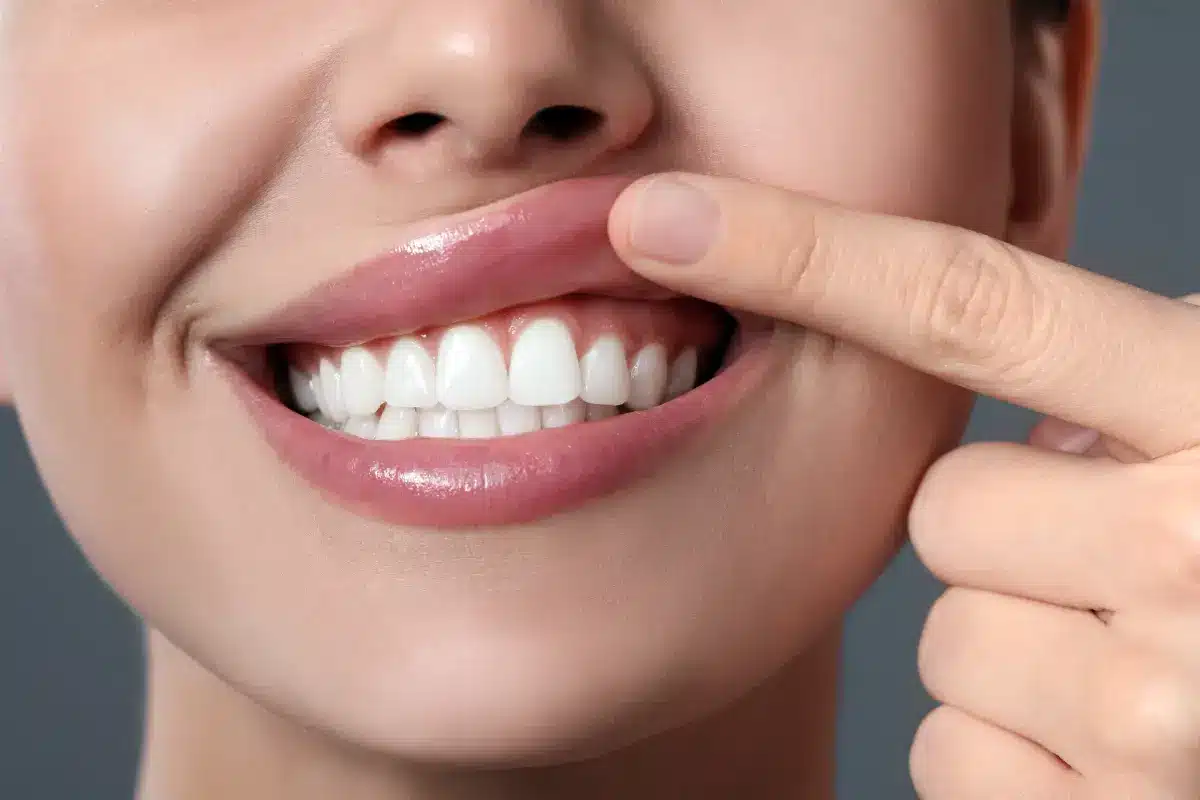
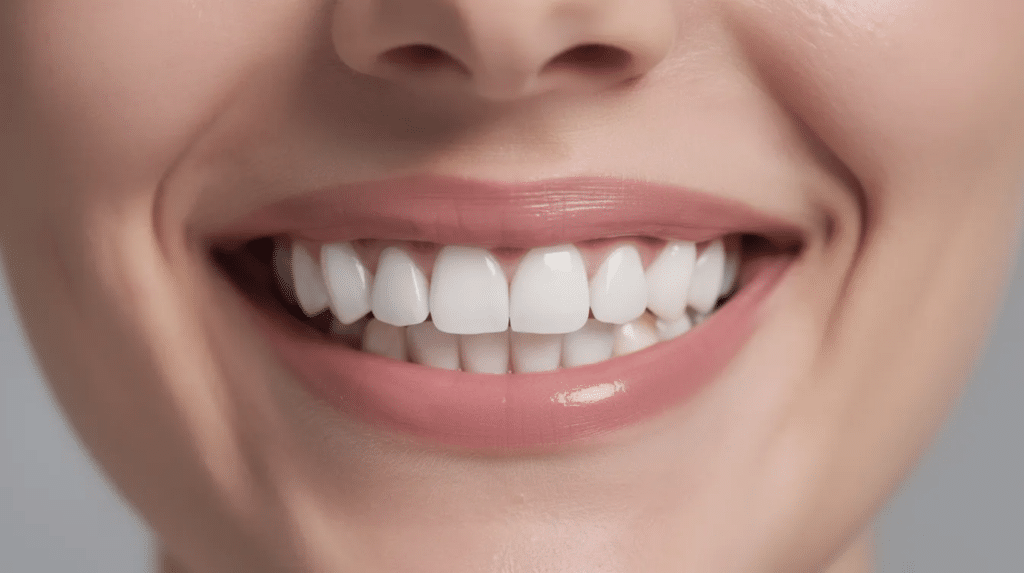
Healthy gums contribute to your oral and overall health; they appear pink, firm, snug around the teeth, and don’t bleed at all. Unhealthy gums are a different story altogether; they might look red, puffy, shiny, or just downright tender, or even pull away from the teeth.
Watch out for:
- Bleeding gums when brushing or flossing (don’t just put this down to brushing too hard)
- Chronic bad breath or a metallic taste that won’t go away
- Gum recession exposing your tooth roots (ugly!)
- Loose teeth or changes in your bite
- Pus between teeth and gums or those pesky sores that just won’t heal
Don’t just write off bleeding gums as just another symptom of bad brushing. They could be early signs of gingivitis or an early form of gum disease.
If the bleeding or pain lingers for more than a week, or you get a sudden swelling, or an adult tooth starts to feel loose, get to the dentist, pronto!
The Major Gum Disease Risk Factors That Are Within Your Power to Change
The risk of gum disease comes down to a mix of your lifestyle, any health conditions you may have, and, to some extent, your genetics. But the good news is that even if you can’t do much about your family history or genetics, improving the things that you can change will make a massive difference.
Lifestyle risks you can actually change:
- Smoking and tobacco: these are a major no-no for gum health. The chemicals in tobacco can make gum healing a whole lot harder and give you a much bigger chance of getting gum disease.
- Poor oral hygiene: We all know how easy it is to slack off when it comes to brushing and flossing, but just remember, if plaque gets to build up, it’s a recipe for gum trouble.
- Sugary and acidic snacks: all these bits and bobs might taste great, but they are basically just fuelling the bacteria in your mouth and making it harder to keep your gums in tip-top condition.
- Poor nutrition: Your gums need the right food to keep them in the best possible shape.
Medical and systemic risks:
- Diabetes: If you have diabetes, it can really make gum disease a lot worse.
- Dry mouth: Certain medications or hormonal changes can up your risk of getting gum disease.
- Pregnancy, menopause, or obesity: all these can mess with your gum health too.
You might not be able to change your genetics or family history, but even with some or all of these risk factors, there’s still plenty you can do to improve gum health.
Creating a Daily At-Home Routine to Help Your Gums Heal
Home care really is the foundation of any successful gum health routine.
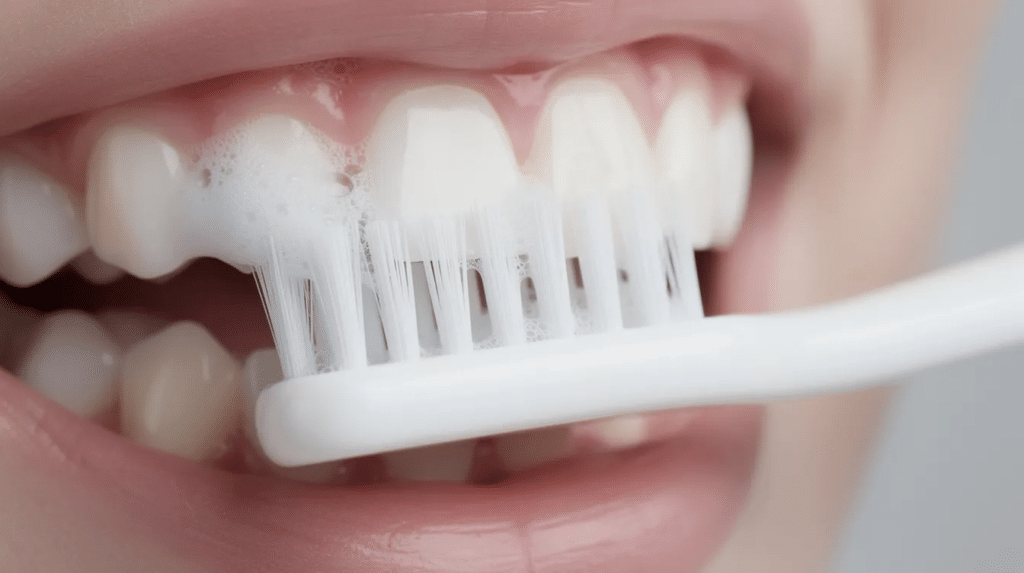
- Brushing: Get a soft-bristled brush and angle it at 45 degrees towards your gum line. Brush gently for the full two minutes twice a day, with a soft touch to avoid any damage to your gums and keep having healthy teeth.
- Flossing: Get into a daily routine of flossing once a day; it’s as simple as gently sliding the floss under the gum line and hugging each tooth.
- Tongue cleaning: Try using a tongue scraper or your toothbrush every so often to get rid of the bacteria that can cause your breath to be bad and your gums to get infected.
- Rinses: If your gums are feeling a bit sore, a non-alcohol antibacterial mouthwash or a saltwater rinse can really help.
- Tools for those tricky spots: if you have a mouthful of tricky teeth, a water flosser or interdental brush can really come in handy.
Natural Remedies and Supportive Ideas: What Actually Works?
Now, when it comes to natural remedies, it’s worth remembering that they can be useful for taking care of your dental health and making your gums feel a bit more comfortable. But they just won’t fix periodontal disease or replace proper treatment from a dentist.
Green tea: If you can squeeze in a couple of cups of unsweetened green tea per day, the good news is it might just do some good for your gums.
Coconut oil pulling: There’s some limited evidence to suggest that oil pulling might reduce a bit of plaque and bad breath. But, and it’s a big but, don’t try using it instead of brushing and flossing.
Other supportive options:
- Salt water: good old salt water can really help to soothe sore gums and be a useful rinse.Aloe vera: Some people find that aloe vera can help soothe and reduce gum inflammation & bleeding.
- Hydrogen peroxide: If you use a diluted solution briefly as a mouthwash, it may help kill some of the bacteria that can cause problems in your mouth.
- Turmeric: The stuff’s got some pretty cool properties; it’s an antioxidant and antimicrobial, and some people swear it helps keep gums healthy.
- Oral probiotics: Taking these along with regular brushing & flossing may give you a bit of extra protection against gum disease.
Be careful when using essential oils: don’t swallow them, don’t use too much, and unless you’ve checked with a dentist first, don’t try any DIY remedies, especially if you’re pregnant or taking certain medications.
Professional Treatments That Really Turn Gum Disease Around
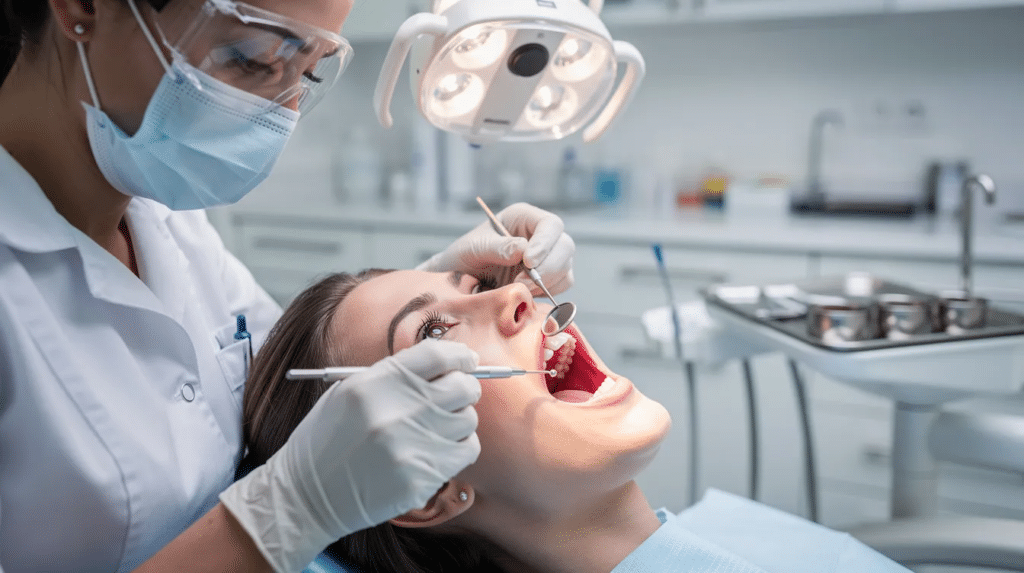
If you’re dealing with persistent bleeding gums, gum recession, or loose teeth, you really need to get to the dentist. Home routines just can’t reach the plaque that’s built up below the gum line.
Dental cleanings: These regular cleanings are usually every six months, and they can really help prevent gum disease by getting rid of the hard stuff that’s built up.
Deep cleaning: This is when they use a scaling and root planing treatment to get rid of the plaque that’s below the gum line and smooth out the roots so they can’t get infected again. It’s a common treatment for periodontitis.
Medications: Depending on how bad things are, your dentist might recommend some sort of antibiotic gel or rinse, or possibly even some oral antibiotics for a short time.
Surgical procedures are what you need if gum disease has gotten really bad & include:
| Procedure | Purpose |
| Flap surgery | Access deep pockets to remove plaque deep under the gums |
| Pocket reduction surgery | Removes plaque deep under the gums and reduces pocket depth |
| Bone grafting | Replaces lost bone due to gum disease |
| Gum grafts | Cover exposed tooth roots from gum recession |
| Guided tissue regeneration | Encourages regrowth of bone and gum tissue |
| LANAP | Uses a laser to treat gum disease with less invasive recovery |
Gingivitis can often be reversed in a matter of weeks or months, but periodontitis can usually be stabilized with treatment & good home care, minus getting back the bone you lost.
Lifestyle Changes That Can Really Help Heal & Protect Your Gums For Good
Fixing your gums isn’t just about brushing & toothpaste. You also need to be looking at reducing inflammation & keeping your overall health in check.
Quit smoking. Smoking & chewing tobacco are two big no-nos when it comes to gum health because they slow down healing & make treatment less effective.
Eat right for your gums. Choose foods that are high in vitamin C like citrus fruits, berries & bell peppers, along with leafy greens, calcium-rich foods, and lean proteins. Try to cut back on processed sugar & refined carbs.
Manage stress. Exercise, getting enough sleep, meditation, or counseling can help keep your immune system in check & make healthy dental habits a lot easier to stick to.
Stay hydrated. Drinking plenty of water helps keep your saliva flowing, washes away food particles & helps buffer the acid in your mouth.
Get on the same page as your doctor. If you’ve got conditions like diabetes or heart disease, managing those can really help improve your gum outcomes & support your overall health.
When to Get to the Dentist & What to Expect at Your Visit
If you’ve got bleeding gums that last more than a week, gum pain, or visible gum recession, you need to get in to see a dentist. The earlier you catch gum disease, the easier it is to treat.
What happens at a gum evaluation:
- reviewing your medical and dental history
- taking a look at the soft tissue, teeth & gums
- measuring the pocket depth
- taking some dental X-rays to see how bad things are around the teeth
Dentists use all the latest classification systems to determine how bad your gum disease is and create a treatment plan based on what they find.
Most gum treatments are pretty routine; local anesthesia will get you all numb & gels or sedation can help with the discomfort. And after you’re all done, you’ll need regular visits every 3-6 months to keep things under control.
Catching gum problems early usually means simpler & less painful care. Don’t wait for the pain to set in; address those early signs.
FAQ
Can I fix unhealthy gums at home without seeing a dentist?
Early gingivitis may improve with brushing, flossing, and rinses, but hardened plaque needs professional cleaning.
How long does it take for gums to stop bleeding once I improve my routine?
Bleeding often improves in 1–2 weeks; see a dentist if it continues.
Are electric toothbrushes really better for gum health?
Yes, they remove more plaque and control pressure, but proper technique matters most.
Does using mouthwash replace flossing?
No: mouthwash reduces bacteria but cannot remove plaque between teeth; flossing is essential.
Can kids and teenagers get gum disease too?
Yes, gingivitis is common in youth; good hygiene and cleanings prevent progression.