
Most of us tend to think about tooth strength the hard way, when something goes wrong, like a sharp ouch from cold water, a chipped tooth, or an unwelcome surprise on an X-ray. The good news is that you don’t have to go to extremes or break the bank to build stronger teeth and have a healthy smile.
In this guide, we’ll teach you how to get stronger teeth by protecting your tooth enamel, eating a good diet, using fluoride, and dealing with dental problems before they get out of hand.
- Protect your enamel by keeping your teeth and gums healthy, choosing the right foods, using fluoride, and getting regular dental checkups.
- Cut down on sugar and acidic foods to stop tooth enamel erosion and the risk of tooth decay. They can wreak havoc on your teeth!
- Eat foods that’re rich in calcium and phosphorus and drink plenty of water to keep your teeth and saliva production healthy.
- Use fluoride in your toothpaste, mouthwash, or get it done professionally to strengthen your enamel and help stop early decay in its tracks.
- See your dentist regularly, ideally every six months, and sort out issues like dry mouth and teeth grinding that can quietly damage your teeth over time.
What Keeps Your Teeth Strong
Every tooth has three layers: enamel, that hard outer bit; dentin, softer and beneath the enamel; and pulp, with nerves and blood vessels inside. Enamel is the hardest thing in the body, and it’s made up of about 95-97% hydroxyapatite crystals. Its strength can be damaging, though; acids and mechanical wear can still do damage.
When people say their teeth are “weak”, they mean the enamel is thinning or damaged, and that can expose the more sensitive dentin underneath. That increases the risk of sensitivity, discoloration, and decay. Genetics might play a part, but your daily habits, diet, oral hygiene, and regular dental care really make a difference when it comes to maintaining tooth strength.
Building Stronger Teeth with Good Oral Hygiene
Good oral health habits are the foundation of strong, healthy teeth and gums.
- Brush your teeth twice a day for two minutes with a soft-bristled brush and some fluoride toothpaste. Don’t scrub too hard, though; that can hurt the enamel and your gums.
- Floss every day to get rid of plaque and food particles from in between your teeth where the toothbrush can’t reach.
- Think about using a fluoride mouthwash too. A non-alcoholic fluoride rinse can do a lot of good in areas you missed with brushing and flossing, and support enamel remineralisation.
- Change your toothbrush every three to four months or sooner if the bristles get frayed.
- Keep at it every day. It’s better to have a simple, yet good dental hygiene routine you can stick to every day than an elaborate one you never quite get round to.
Eat To Support Strong Teeth And Oral Health
A balanced diet gives you the minerals and nutrients you need to keep your enamel strong. Calcium and phosphorus are especially important for remineralisation.
- Calcium-rich foods: milk, yogurt, cheese, calcium-set tofu, canned salmon with the bones in, almonds, and leafy greens like kale and spinach are all good sources.
- Phosphorus-rich foods: eggs, lean meats, poultry, fish, beans, and lentils are all rich in phosphorus.
- Vitamin D sources: you’ll find it in fatty fish, fortified dairy and cereals, and safe sun exposure. Vitamin D helps your body soak up calcium efficiently.
- Crunchy fruits and veggies like apples, carrots, and celery can stimulate saliva production and support oral health.
- Eat good meals instead of snacking all the time. The more you eat, the more your oral bacteria will have a chance to produce acids that can eat away at your enamel.
Eating the right foods, looking after your oral hygiene, and protecting your enamel from acids give your teeth the best chance of staying strong and healthy.

How Sugar, Acidic Foods, and Dry Mouth Can Affect Healthy Teeth
Sugar feeds the bacteria in your mouth that produce acids, which can dissolve your enamel, and acidic foods and drinks can erode your enamel in a fraction of the time. By limiting how often your teeth are exposed to these things, you’re reducing the risk of erosion and decay.
- Curb your sugar intake: cookies, cakes, candy, or starchy foods, sweetened cereals, soda drinks, and sweet tea are all sugar-heavy.
- Cut down on acidic foods and drinks: to have stronger teeth, avoid foods like citrus fruits and juices, sports drinks, soda, and vinegar-based dressings. Flavoured sparkling water with citric acid could still damage your teeth.
- Don’t snack constantly and sip on acidic drinks all day. Keep sugary and acidic foods to meals rather than having them on the go.
- Rinse your mouth with water after eating acidic foods.
- Wait a bit before brushing after having acidic foods or drinks; your enamel is temporarily softened and more vulnerable to damage.
By cutting back on how often you expose your teeth to acids, you’re giving enamel more chance to remineralise and protect your tooth strength.
Saliva naturally protects teeth by washing away food debris, neutralizing acids, and supplying minerals that support enamel remineralization. Reduced saliva flow can increase the risk of cavities and other dental problems.
- Keep sipping on water throughout the day to help dislodge any leftover food bits and give your mouth a good clean.
- Deal with dry mouth. Some medications, breathing with your mouth, smoking, and certain health issues can all dry out your mouth.
- Give your mouth a little wake-up call with some sugar-free gum or lozenges when you need it.
- Get advice from a dentist or doctor if your dry mouth persists, and you notice any more sensitivity or new cavities popping up.
Use Fluoride and Remineralising Products with a Clear Head
Fluoride helps strengthen your enamel, makes it a lot more resistant to acid, and can sort of patch up early damage before it turns into a full-blown cavity.
- Brush your teeth twice a day with a fluoride toothpaste. Don’t rinse with water afterwards; just let the fluoride sit on your teeth for a bit longer.
- Consider adding a fluoride mouthwash if your dentist says it’s a good idea; this is especially useful if you’re at high risk of cavities because of dry mouth, snacking a lot, or having a history of tooth decay.
- Ask your dentist if a fluoride treatment is right for you when you go in for a check-up, especially if you’re worried about tooth decay.
- Look at using a remineralising product that contains calcium phosphate or hydroxyapatite; these might help repair your enamel, although the science on this is still a bit patchy.
- Get advice from your dentist before adding loads and loads of different products to your dental routine.
Fluoride has been around for ages and is still one of the most reliable tools we have for keeping your enamel strong and healthy.
Protect Your Teeth From Dental Problems
You can very gradually wear down your enamel, increase sensitivity, and even chip or crack a tooth if you grind and clench your teeth a lot at night.
Some common signs include:
- Waking up with a sore jaw or a headache
- Seeing that your teeth are getting chipped, flattened, or cracked
- Hearing grinding sounds while you’re sleeping
To protect your teeth:
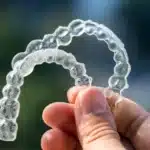
- Ask your dentist to make a custom nightguard if you grind or clench your teeth
- Don’t use your teeth as scissors or a hammer; this will only make things worse in the long run.
- Deal with grinding if it’s been going on for a while; it’s not going to fix itself and will only cause more damage.
Looking After Your Overall Health Is Looking After Your Dental Health Too
Your overall health routine can affect your oral health in a bunch of different ways, from how much acid you’re exposing your teeth to, to how much saliva you’re producing, to the balance of minerals in your mouth.
- Sort out your acid reflux (GERD): repeated exposure to stomach acid can cause a lot of damage to your teeth, so work with your doctor to get it under control.
- Deal with frequent vomiting: this can also cause a lot of damage to your enamel.
- Manage your diabetes: high blood sugar can affect your saliva production and make you more likely to get oral health issues.
- Eat well, exercise, and don’t smoke to keep your mouth and body healthy.
- Try to manage your stress levels; this can help with teeth grinding and eating a healthy diet.
Understanding Health Insurance
Everyone should understand how health insurance works, since, based on your health plan benefits, it also helps you take care of your everyday health needs, including dental care. By making preventive checkups and treatments more affordable, insurance can play a big role in keeping you healthy and catching issues early.
- PPO (Preferred Provider Organization): These plans give you the freedom to see both in-network and out-of-network doctors or dentists. You’ll usually save more by staying in-network, but you still have flexibility if you need it.
- HMO (Health Maintenance Organization): With an HMO, you’ll typically choose providers from a set network. Referrals may be needed for specialists, but the trade-off is more predictable costs and simpler budgeting.
- Dental insurance: Focused specifically on oral health, these plans often cover preventive care like cleanings and exams, plus certain treatments. Coverage details vary depending on the plan.
Choosing the right mix of health and dental insurance makes it easier to stay on top of preventive care, manage health concerns before they become bigger problems, and support your overall well-being.
Get Regular Dental Checkups and Professional Cleanings
Getting regular dental checkups, visiting the dental office, and cleanings are incredibly important; it’s a lot easier to catch dental problems and deal with them when they’re small and not too painful.
- Make sure to visit your dentist regularly, ideally every six months. People who are more at risk of decay or erosion might need to go in more often.
- Get your teeth and gums properly cleaned by a professional so they can pick out all the bits you missed.
- Get your dentist to have a look at your gums and teeth for any early signs of decay, enamel loss or gum disease.
- Deal with any issues early. Little problems like early demineralisation or minor gum disease are much easier to sort out if you catch them early.
When Do You Need Professional Dental Care to Save Your Teeth?
Of course, daily care is the foundation of everything, but some damaged or weak teeth may need a bit of extra help. Keep in mind that having dental insurance can make a world of difference when it comes to your oral health.
- Dental sealants are a great way to protect the grooves in the back teeth from bacteria and acids.
- Bonding can help repair small chips and protect exposed areas.
- Crowns, inlays, or onlays might be needed if you have a tooth with a bit of major damage.
- Orthodontic treatment can sort out any alignment issues that might be causing uneven wear and tear on your teeth.
If you’re experiencing any persistent sensitivity, recurring cavities, or visible cracks, get some advice from your dentist rather than waiting for things to get worse. The American Dental Association recommends visiting your dentist based on your own needs and symptoms.
A Daily Routine to Keep Your Teeth Healthy
Morning:
- Brush for two minutes with a fluoride toothpaste
- Floss if you didn’t the night before
- Drink some water to stay hydrated
Midday:
- Eat some balanced meals with protein, veggies, and calcium-rich foods
- Limit sugary foods and choose water over soda
- Rinse your mouth out after eating
Evening:
- Brush and floss before bed
- Use a fluoride rinse if your dentist says it’s a good idea
- Wear a night guard if you grind; chronic teeth grinding wears enamel down.
Pick one or two small changes to make to your routine and start there. Consistency is key when it comes to strengthening teeth and having healthy gums.