If you’re reading this with a numb cheek and a tooth that feels tender, take a deep breath. Local anesthesia is used during the root canal procedure to keep you comfortable, and its numbing effects can last for a few hours after treatment. For most people, the recovery is manageable, even if their mouth feels super sensitive at the moment.
This guide gives you a day-by-day breakdown of root canal recovery so you know what’s normal and what’s not. Use it alongside your dentist’s aftercare instructions, which are essential for a smooth recovery, to get a better idea of what to expect.
Root Canal Recovery at a Glance: What’s Normal
So, here’s the quick lowdown: mild soreness, swelling, and numbness are totally normal for the first few days, and pressure sensitivity can hang around even after deep pain fades. But pay attention: if pain gets worse after day 3, swelling increases, your bite feels ‘off’, or your old symptoms come back, then call your dentist. The key is the trend: things should keep getting better. Most folks are back to normal in a few days.
The First 24 Hours After a Root Canal Treatment
For the first few hours, numbness is the main thing to deal with. Local anesthesia from a root canal usually lasts 2 to 4 hours, so you should wait until the numbness wears off before eating or drinking. It’s important to avoid eating and hot beverages until the anesthesia wears off to prevent accidentally biting your cheek or tongue, or burning yourself, which is a common mistake during this period.
Your tooth may feel a bit unusual at first, and sometimes that’s just numbness, but other times it’s a bite that just needs a tiny adjustment, so pay attention to how you close your mouth.
What Helps Most on Day One
Day one is all about protecting the area and keeping things as calm as possible. If there’s one thing to do really well, it’s protect those soft tissues at all costs.
- Don’t eat until you can normally feel your lips and tongue: this helps prevent injury and supports optimal healing.
- Stick to soft foods and try to chew on the opposite side if you can, as soft foods are recommended during recovery to avoid irritating the treated area.
- If you have a temporary filling or crown, avoid anything sticky and don’t ‘stress test’ it with your tongue.
For gentle cleaning around the treated area, use a soft-bristle toothbrush to help protect the healing site.
Days 2-3: Managing Discomfort when it Peaks and Then Starts to Fade
Lots of people find that day two is when they feel the sorest. This initial discomfort, which is common after a root canal, typically peaks within the first 24-48 hours and is related to inflammation, often reaching its highest point 17 to 24 hours after treatment, before gradually subsiding. Swelling around the affected tooth is also common during this period, but should diminish within a few days. It can feel like a bruise when you tap your teeth or bite into anything firm, and it often peaks on day two.
What you’re looking for is a pattern: fewer ‘zings’, easier chewing, and less tenderness by the end of day 3. If nothing is improving at all, let your dentist know ASAP.
A Few Practical Tips for Managing Pain
- Stick to the medication plan your dentist gave you. Over-the-counter pain relievers such as ibuprofen or acetaminophen are effective for managing discomfort and should be taken as directed to stay ahead of pain.
- Apply a cold compress to the outside of your cheek to reduce swelling and ease pain during the initial recovery period. Avoid placing ice directly on the skin.
- Keep foods soft for a couple more days, even if you feel okay at night.
- If pain spikes after it has been improving, get it checked out.
What to Eat (and What to Avoid) During Early Recovery

Think soft, easy, and low-risk. You want foods that don’t pull on a temporary filling or make you clench, so simple meals usually do the trick. Eating soft foods is recommended during the recovery process after a root canal to avoid discomfort.
Some good options for the first few days are:
- Foods like scrambled eggs, yogurt, mashed potatoes, and smoothies are gentle and nutritious choices during recovery.
- Warm creamy soups (creamy soups are preferable to broth-based soups as they are easier on the mouth)
- Pasta, mashed veggies, soft fruit
For now, though, steer clear of:
- Hard foods and crunchy foods (chips, nuts, crusty bread), as well as cold foods, to prevent discomfort and protect the treated tooth
- Sticky foods (caramel, gum)
- Chewing directly on the treated tooth until your dentist says it’s okay to do so
- Hot beverages for the first few days to prevent irritation
As you heal, you can gradually reintroduce solid foods as tolerated. Staying hydrated is important during recovery, so focus on drinking plenty of water and avoiding alcohol.
Brushing and Flossing After a Root Canal (yes, you can do it)
So, here’s the quick lowdown: you can brush and floss the same day, and you really should. A clean mouth helps healing and keeps that restoration sealed. Just be gentle around the treated area: use a soft brush, go slow, and don’t snap the floss down hard. If floss catches on a temporary, slide it out sideways instead of yanking up; that little habit helps the seal hold.
Consider an antibacterial mouthwash, and a warm saltwater rinse can feel pretty soothing. Just spit, don’t be aggressive. And keep an eye out for any swelling, redness, or pain that seems off. Tender gums don’t like force, so be kind: gentle is all you need.
Days 4-7 and Beyond: Optimal Healing Process and Getting Back to Normal
Recovery usually gets easier during this window. Most people can return to work and resume normal activities after 2-3 days, and most patients recover from a root canal within 3-5 days. Chewing feels more natural, the ‘bruise’ sensation fades, and you stop thinking about the tooth all the time, which is pretty much the goal for week one.
A little sensitivity can linger, especially if the tooth was very infected. What matters most is the direction of the recovery process and ensuring you follow proper aftercare instructions for a smooth and speedy recovery during the recovery period.
If you had sedation (not just local numbing), give yourself an extra day to reset before you drive long distances or jump into intense workouts. In other words, give your body time to heal properly. The healing process and recovery process typically progress over a few weeks, so follow-up care is crucial to monitor your progress and help the tooth heal properly.
The Crown Question: When Your Root Canal Isn’t ‘Done’ Yet
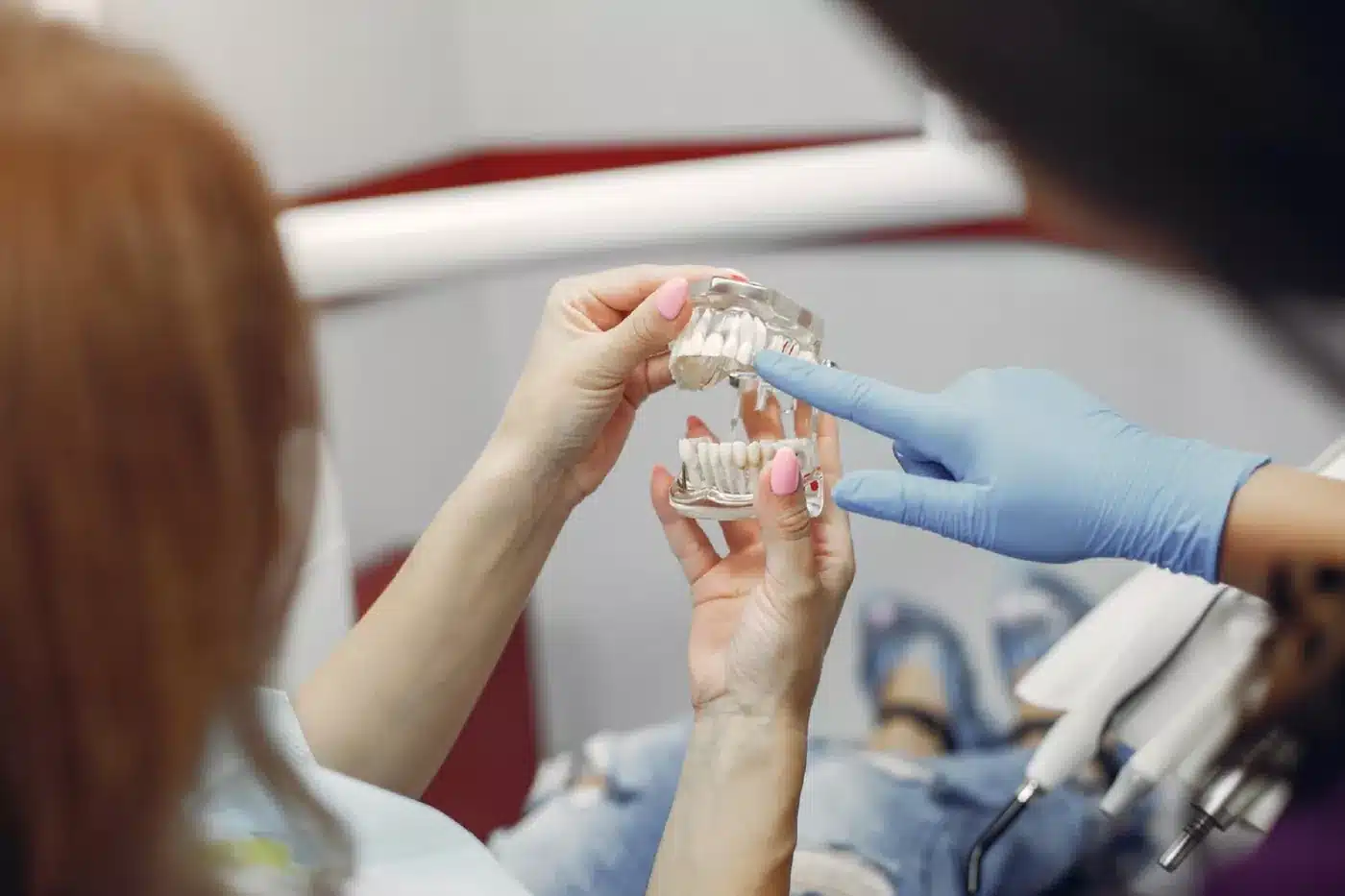
A root canal procedure is a dental procedure that removes infected pulp, then the dentist cleans and seals the tooth, often with a temporary filling or crown. Crown placement is a big deal, especially for molars, since it adds strength and stops cracks. After healing, the tooth might feel different for a while, and that’s normal. Your dentist will usually schedule a follow-up in a few weeks to check for reinfection.
If you leave with a temporary, avoid sticky foods and don’t bite hard on that side. Contact your dentist if it feels loose or off when you bite down; a quick adjustment may be all you need. Be kind to that tooth.
Red flags: when to holler for help
Some soreness is just normal after a root canal, but there are certain signs that aren’t. If you experience severe pain, significant swelling, or any unusual symptoms after your procedure, don’t try to tough it out; these may indicate a complication and require prompt attention.
- You experience severe pain that gets worse after 3 days or lasts more than a few days, especially if it was actually starting to get better.
- Significant swelling that gets worse or moves around, or comes with a fever and a general feeling of being “off.”
- Any unusual symptoms, such as a weird taste, some drainage, or a little pimple on the gums near the tooth
- A sudden feeling like your bite is off or is super painful when you shut your mouth
- Your temporary filling or crown just fell out, cracked, or is loose
- Those pre-treatment symptoms come back (that deep throbbing, pressure, or heat sensitivity)
- Signs of an allergic reaction to prescribed medications, such as swelling, rash, or difficulty breathing
Severe or persistent pain, visible swelling, or fever can indicate complications after a root canal. Allergic reactions to prescribed medications are rare but serious and should be reported to your dentist right away. The quicker you catch these kinds of problems, the better, and most of the time, the fixes are pretty simple. So yeah, getting in for a checkup sooner rather than later saves you a world of trouble.
Planning your recovery if you’re traveling for treatment (another Los Algodones perk)
If you’re heading down from the States or Canada, your number one concern usually won’t be “Am I going to be sore?” It’ll be something like “How am I going to make this work so I feel okay once I’m back home?” Planning ahead really does help lower your stress levels.
A little bit of structure can go a long way, especially when you’re dealing with travel. Use this as a travel-ready recovery roadmap.
- Try to schedule a lighter day after treatment if possible
- Bring easy foods on the drive or to the hotel (yogurt, soup, bananas, eggs)
- Ask for written aftercare instructions and an “if this happens, do this” plan
- Give yourself some wiggle room in case you need a quick trip back to the dentist before you leave town
- If you receive sedation during your dental procedure, arrange for a friend or family member to accompany you or provide transportation to ensure safe travel and support during your root canal recovery.
Why patients actually choose Dental del Rio for root canal care
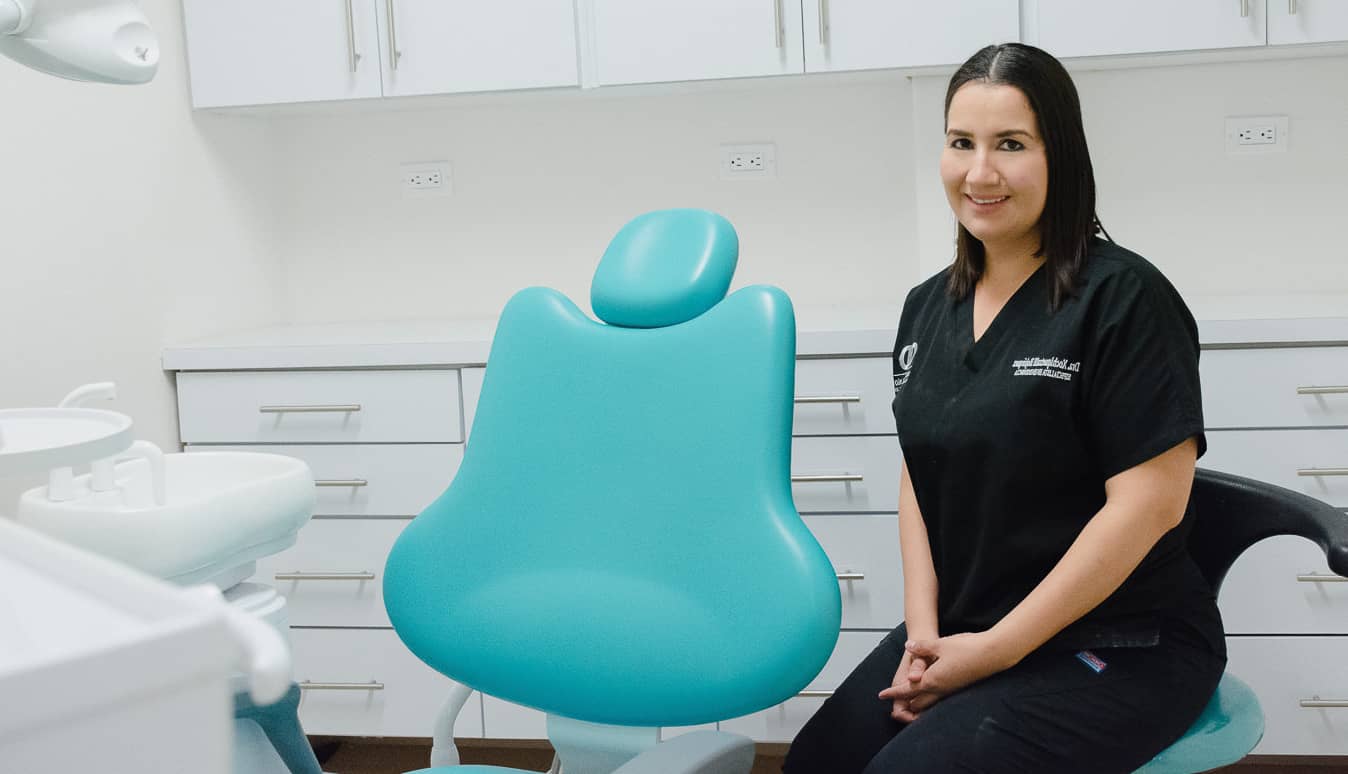
So, here’s the quick lowdown: Dental Del Rio is a family-owned clinic here in Los Algodones with a bilingual team, because when you’re in pain, clear communication really matters. They’ve got endodontic specialists on hand (Drs. Bojorquez and Barragan, tons of experience and international certs) who can do the root canal.
Clear pricing: all prices online, no hidden fees, and they’ll even give you a Free Virtual Diagnostic. Just ask for a written quote that matches your tooth and restoration needs.
Logistics support: they can meet you at the border, help with shuttles in town, and even to and from the airport, just let them know when you book.
Focus on dental health: regular checkups after your root canal help catch problems early and prevent future complications. Be kind to yourself and get it done right.
Get Your Free Quote
If you’re thinking about coming to Los Algodones for treatment and want a recovery plan that fits your travel schedule, let’s chat. Request a Free Virtual Diagnostic or ask for a quote, and we can give you a clear plan, with all the details you need.