Saliva is one of those things that tends to get overlooked until you start to feel like your mouth is parched. So, can saliva actually clean teeth, or is its main job just to keep things comfortable?
Yes, saliva plays a role in cleaning teeth, but it’s a pretty limited one. It rinses things out, protects the teeth and gums, and keeps the mouth in balance, but it’s no substitute for brushing and flossing.
The Teeth/Saliva Relationship: A Love Story?
Your saliva flow does some good when it comes to teeth: it helps wash away loose bits of food you’ve chomped on, and it also makes a bit of a dent in the acid levels after you eat or drink. It’s like one of your mouth’s own built-in defense systems.
Saliva does give teeth a bit of a helping hand by rinsing away food particles, diluting acids, and adding minerals like calcium and phosphate to help build up tooth enamel strength. But don’t rely on it to get rid of sticky plaque or tough tartar; that’s still the job of your toothbrush, floss, and regular dentist visits.
Think of saliva more as a natural rinse, rather than a toothbrush in disguise. Sure, it can knock off a few loose bits of food, but it’s never going to scrub the surface of your teeth or clean in between them.
How Saliva Saves Your Tooth Enamel from Food Particles
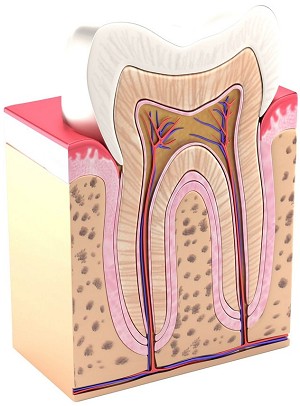
Saliva does a fair bit to keep your teeth safe from acid attack and tooth decay. It washes away debris after meals and helps neutralize the acid from the food you eat, the drinks you drink, and the bacteria in your mouth. It’s a vital part of your first line of defense; bicarbonate ions in saliva help neutralize acid before it can start eating away at your enamel and causing problems.
A healthy level of saliva can neutralise as much as 100 times its own weight in acid from your diet and bacteria.
It also adds minerals to your teeth to help them stay strong. These include calcium and phosphate, which help keep your enamel healthy, as well as fluoride, which binds to your teeth to help make them even stronger. Saliva also contains enzymes and proteins that can help fight off bacteria that like to stick to your teeth.
Saliva Helps, But It’s Not Enough to Stop Plaque
Plaque is the ever-present problem of a sticky layer of bacteria on your teeth. Saliva can wash away bits of it, but it’s never going to get rid of it entirely.
That’s where your toothbrush and floss come in. They’re the ones who can really get a grip on plaque and take it away. And don’t forget to pop in to see your dentist now and then for a proper clean, that’s the only way to get rid of hardened tartar.
Tooth Decay, Gum Disease? What Happens When You Run Low on Saliva?

When your body doesn’t have enough saliva production, your teeth and mouth are missing out on some of their best protection. Having an increased risk for dry mouth, or xerostomia, is a problem that can make your breath smell bad, your teeth get covered in plaque, and your gums get inflamed. And if you’re not producing enough saliva, you’re a lot more likely to get tooth decay and gum disease. On a good day, an adult produces around 0.5 to 1.5 litres of saliva.
Experiencing dry mouth can come from being dehydrated, taking certain medications, breathing with your mouth rather than your nose, smoking, or stress, or from certain health conditions. If you think you might be suffering from dry mouth, get in and see a dentist; they can help sort you out.
Help Your Saliva Do Its Job
One thing you can do to help your saliva do its thing is drink plenty of water, especially after something acidic or sugary. Chewing sugar-free gum can also help get things flowing; just make sure your gum is safe for your teeth and jaw. And don’t forget to keep up with your usual oral hygiene routine: brush your teeth twice a day, floss, keep a check on sugary and acidic snacks, and pop in for a regular clean.
When to Get Help
If you’re always feeling like your mouth is dry, or you get cavities more often than you’d like, or you’re worried about tooth decay, it’s time to get in and see a dentist and get a diagnosis. They can help sort out any problems and get your teeth and mouth back on track. And don’t be shy about asking for help if things get worse or don’t get any better.
If you’re from the U.S. or Canada, you might want to consider coming down to Los Algodones to see Dental del Rio. We have a range of dental services to help you with your oral health, and we can even do a free virtual diagnostic if you need to get things sorted out.

FAQ
Will saliva remove plaque?
No, it might help wash away a bit of it, but it can’t get rid of it for good. You still need to brush and floss your teeth to keep them in top condition.
Can Saliva Really Keep Cavities at Bay?
Saliva is literally your best shot at keeping cavities at a distance. It does this by washing away loose food bits, keeping acid levels in check, and generally looking out for the health of your teeth by supplying them with the minerals they need to stay strong. It also helps protect you from tooth decay with its enzymes and antimicrobial properties, though let’s be clear: its helpful properties won’t make up for not brushing and flossing regularly.
Is a Dry Mouth Bad News for Your Teeth?
A big yes to that one. If you find yourself constantly with a dry mouth, it’s basically a recipe for trouble; it ups the chances that you’ll get a cavity, gives you bad breath, lets plaque build up, and makes your gums all prickly and sensitive. And that’s not all, it also messes with your sense of taste, irritates the tongue, slows down the healing of small scrapes and wounds, and can even cause your mouth to not work properly.