Just about every one of us wants a brighter, whiter smile, and shopping for whitening toothpaste seems like the most painless and affordable route to get that appearance. But do these toothpastes really live up to the effectiveness they claim, or are you just throwing your money at something little more than a pleasant-tasting fantasy? This guide cuts through the hype and gets to the nitty-gritty: the science, the ingredients, the realistic outcomes, and when you’re actually better off with something more powerful for that bright smile you’re looking for.
- Surface stains only: Good for dealing with stains from beverages like coffee, tea, and red wine, but forget about tackling deeper discoloration.
- Mild brightening: At best, you can expect to be about one shade lighter after 2-6 weeks with regular brushing, and that’s not the same as a professional whitening treatment.
- Formulas matter: Think about the type of stain, your tooth enamel erosion, and if you’re sensitive, low-abrasion options are the safer choice.
- Peroxide peak: If a toothpaste contains hydrogen peroxide, it might whiten a bit more, but you could also end up with some sensitivity.
- When to call in the pros: If you’re looking for a real colour change or to get rid of intrinsic stains, you need to see a dentist for some in-office or supervised whitening.
How Does Teeth Whitening Toothpaste Compare to a Professional Teeth Whitening?
Yes, whitening toothpaste can get rid of surface stains caused by coffee, tea, red wine, tobacco, and other foods, which will give you brighter-looking teeth. However, it can’t change your natural tooth colour or remove intrinsic stains caused by age, accidents, medication, or fluorosis.
People usually notice about a one-shade improvement after 2-6 weeks of twice-daily brushing. Whitening toothpaste is more of a maintenance tool than a substitute for professional teeth whitening.
What “Whitening” Really Means When You See It On Toothpaste Labels
The term “whitening” can refer to more than just bleach; most toothpastes use one or more of these methods to get the job done:
- Stain removal: Mild abrasive ingredients help polish away surface stains.
- Chemical whitening: Low concentrations of hydrogen or carbamide peroxide help break down stain molecules.
- Optical brightening: Ingredients like blue covarine temporarily make teeth appear whiter by reducing yellow tones.
Most toothpaste whitening formulas combine gentle abrasives with some sort of chemical or optical whitening agent. When you’re choosing a product, stop looking at the word “whitening” and check if it actually removes stains, contains peroxide, or uses optical brightening.
How Whitening Toothpaste Works On Surface Stains
Whitening toothpastes work by attacking the stains on the thinner enamel surface, caused by things like coffee, tea, wine, cigarettes, fizzy drinks or berries. The main way they do this is physically: mild abrasives like silica, calcium carbonate or baking soda polish away stain particles and plaque.
Some other chemical agents, like sodium tripolyphosphate or pyrophosphate, also help lift pigments so they wash away more easily. With about two minutes of brushing twice a day, these ingredients can gradually reduce surface stains, but they won’t ever be able to get to deeper discoloration. Whitening toothpaste is best at dealing with recent stains, while older or intrinsic discoloration needs a proper professional treatment.
Intrinsic Stains Vs Extrinsic Stains: What Toothpaste Can and Can’t Do
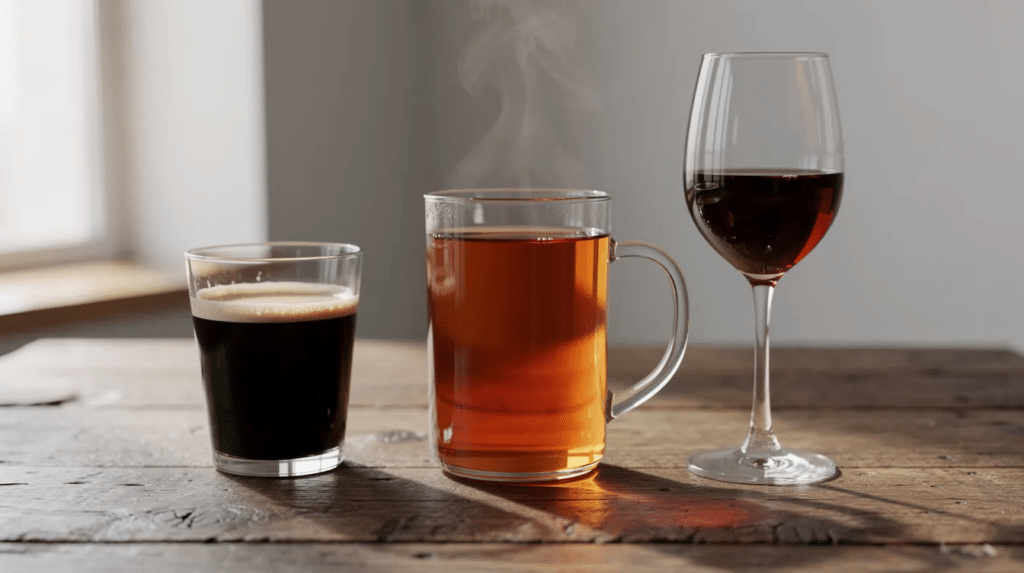
Think of an extrinsic stain like graffiti; it’s just painted on the surface of the enamel and can be scrubbed off. They often come from coffee, tea, red wine, sauces, or bad oral hygiene. Whitening toothpaste can help reduce them over time.
Intrinsic stains are more like the colour of the brick itself; they’re embedded deeper inside the tooth structure. Causes include age, childhood tetracycline use, fluorosis, accidents, or old fillings.
Because toothpaste only touches the surface for a few seconds, it can’t reach these deeper stains; intrinsic discoloration usually needs professional whitening with peroxide gels, internal bleaching agents, or cosmetic options like veneers or bonding. A useful rule of thumb: if you brush and the staining doesn’t come out, it’s probably intrinsic; if it’s patchy around the gumline, it’s probably extrinsic.
Hydrogen Peroxide and Other Key Ingredients in Whitening Toothpastes (and What They Actually Do)
Whitening toothpastes all use slightly different mechanisms to brighten up your teeth. Abrasives like silica, calcium carbonate, and baking soda polish the enamel to remove surface stains, but they can wear away the enamel over time in the process.
The Relative Dentin Abrasivity (RDA) scale is a measure of this, with low values under 40 and moderate between 40-80; choosing low-to-moderate pastes helps protect your enamel.
Peroxides, usually 1-5% hydrogen peroxide in over-the-counter formulas, provide some mild bleaching for extrinsic and limited intrinsic stains. That’s a heck of a lot less than the 25-40% concentrations used in professional gels, so don’t expect too much. Non-peroxide boosters like blue covarine for optical brightening, enzymes to break down protein stains, and pyrophosphates to stop new discoloration.
For enamel support and tooth sensitivity relief, fluoride or nano-hydroxyapatite help rebuild enamel damage and protect against cavities, while potassium nitrate or arginine ease the discomfort that whitening can cause.
Benefits and Limitations: What Can You Reasonably Expect?
Whitening toothpaste can be useful, but you’ve got to keep your expectations in check. Its benefits include removing surface stains to give your teeth a cleaner, slightly brighter look, and keeping the results going by slowing down stain buildup. Plus, it’s a cheap option that fits easily into your daily routine.
Clinical studies show you can probably get about one shade better over 4-6 weeks for common surface stains, but the changes can often be so small that you might not even notice.
Limitations are clear: whitening toothpaste won’t achieve big changes for naturally darker teeth or long-standing stains inside the tooth, takes longer than strips or trays because the peroxide levels are lower, and won’t do a thing to your dental work.
Coffee or tea drinkers might notice a bit of brightness on the edges, but heavy smokers or people with tetracycline stains shouldn’t expect much. In contrast, you can get a 3-8 shade difference in a single visit with professional whitening.
Safety, Enamel Wear, and Sensitive Teeth
Most whitening toothpastes from reputable brands are safe to use, as long as you use them as you should, but overuse or being too rough can cause problems. Enamel is strong, but it has its limits. Using a paste that’s too abrasive can wear it down, which won’t give you whiter teeth; it will actually make them look darker.
A 2022 study of whitening products found they made enamel rougher and reduced its strength compared to regular toothpaste.
Hydrogen peroxide, the stuff that actually does the bleaching, can also irritate your gums and make your teeth sensitive if you use it every day or leave it on for too long. Even the low concentrations can give you a bit of short-term pain.
If you want to avoid problems, use a soft-bristled brush with gentle circular motions, don’t scrub too hard along the gumline, and don’t layer multiple whitening products without getting a professional’s advice.
If you start to get sensitivity or enamel worries, limit your whitening toothpaste to 2-3 times per week, and switch to a sensitivity formula in between.
Whitening options vary from gentle to pretty intense.
Toothpaste mainly gets rid of surface stains, is cheap, and works best for very mild stains or just keeping things looking good after a proper whitening.
Whitening strips and trays you can get over the counter with 5-10% hydrogen peroxide can get your teeth a few shades lighter in 1-2 weeks, but they carry a higher risk of sensitivity and gum irritation.
Professional whitening using 25-40% peroxide is done under a dentist’s supervision and can get you several shades better in one or two visits, with results that last longer using custom trays.
Toothpaste is a good first step and maintenance tool, but if you want real change, professional whitening is the way to go.
How to Pick and Use Whitening Toothpaste
What’s the best one to choose? It depends on your enamel condition, stain type, cavity risk, and sensitivity.
Look for the ADA Seal of Acceptance, low-to-medium abrasivity (less than 80 on the RDA scale), and enamel support from fluoride or nano-hydroxyapatite. Peroxide formulas are fine for healthy teeth without sensitivity, but use the gentle whitening lines for sensitive teeth or gum recession.
Brush for two minutes twice a day, but if you get sensitivity, limit your whitening toothpaste to 2-3 times per week and switch to a non-whitening paste.
Check on your progress after 6-8 weeks. If you don’t see any improvement, it’s probably time to see a dentist rather than trying more and more at home.
FAQ
How long does it take for whitening toothpaste to work?
You might see a bit of improvement in 2 weeks, some more over 4-6 weeks. But if you don’t see any change by six to eight weeks, it probably means you’ve got intrinsic or very stubborn stains that need a pro to fix.
Will whitening toothpaste remove coffee and red wine stains entirely?
It will make them less noticeable most of the time, but some stains are just too deep or stubborn and may only get a bit better with whitening toothpaste, often needing professional treatment.
Is it okay to use whitening toothpaste every day?
Generally, yes, if you use an enamel-safe formula and don’t overdo it. But if you’ve got sensitivity or enamel worries, it’s better to alternate with a non-whitening paste and get a dentist’s advice.
Does whitening toothpaste work on crowns, veneers and fillings?
No, it only whitens real enamel. If you whiten your teeth and have restorations that don’t match, you might need to get them replaced for a uniform look.
Can Kids or Teens Use Whitening Toothpaste?
Not exactly recommended for young kids. Teenagers should probably run this by their dentist first; their enamel is still a work in progress, and a dentist may suggest going for something a bit gentler.