If you wake up with a mouthful of pain or find yourself on the receiving end of a stray elbow while playing contact sports, you might be just one bad bite away from a dental disaster. The good news is that a mouth guard is one of the simplest, most cost-effective treatments in preventive dentistry that most people severely underestimate. Here’s what the research says about mouth guard benefits, and why using one consistently can be a game-changer for your oral health.
What is a Mouth Guard (and how is a Night Guard Different, Anyway)?
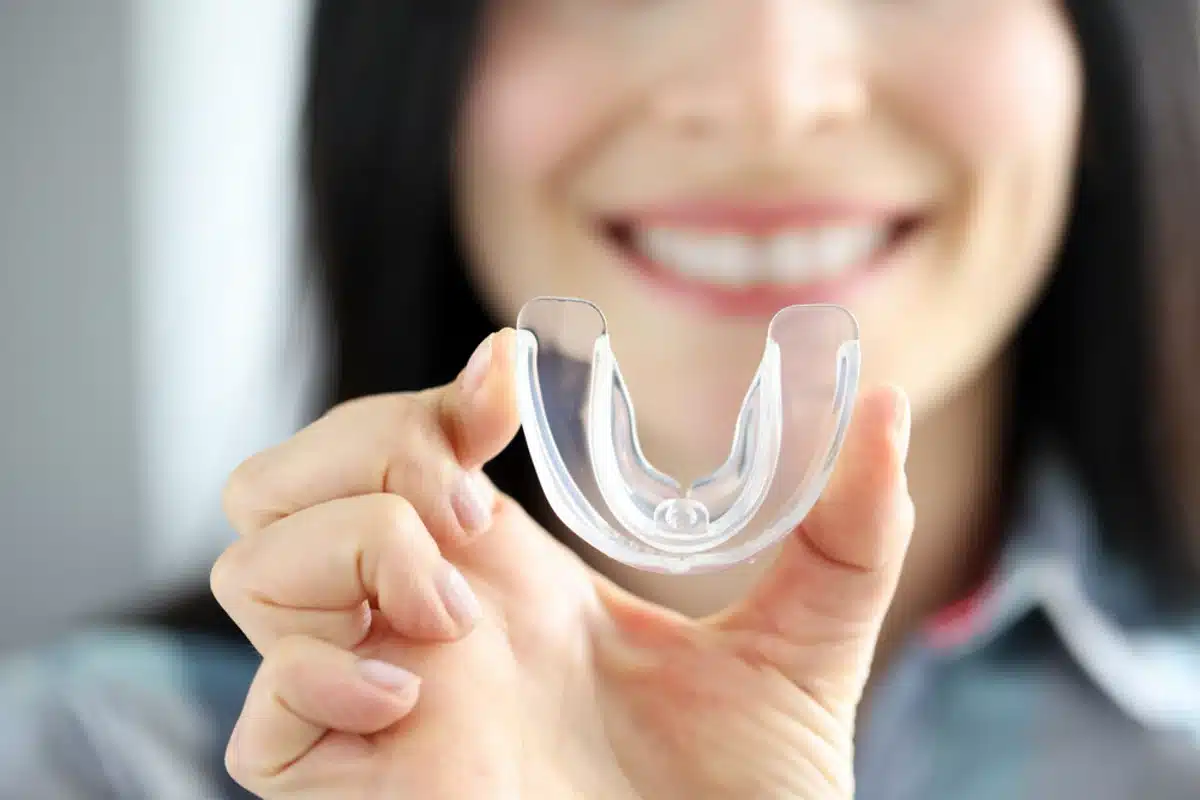
A mouth guard is a removable appliance that covers your teeth to protect them from impact, grinding, or clenching. Sports mouth guards and night guards may look similar, but they’re actually quite different in terms of design, and it all comes down to how they’re used:
- Sports mouth guards are thicker and designed to absorb the shock of impact during high-risk sports.
- Night guards, on the other hand, are thinner and precisely shaped to take the pressure off your teeth and reduce the effects of grinding and clenching while you’re asleep.
They can cover either the upper and lower teeth, depending on your needs and bite.
Common Reasons People Need a Mouth Guard
Mouth guards aren’t just for sports junkies; they can protect your teeth and dental work in a variety of situations:
- Nighttime grinding (bruxism): Helps stop tooth wear, sensitivity, jaw pain, and morning headaches caused by grinding.
- Contact sports: Reduces the risk of chipped, fractured, or knocked-out teeth, and also protects your lips, cheeks, and gums from impact.
- Daytime clenching: Stops teeth from getting worn down from excessive pressure caused by clenching during the day.
- Braces: Helps protect your lips, cheeks, and gums from injuries during sports or accidental impacts.
- Sleep apnea and snoring: Specialized oral appliances can even help reposition your jaw to keep the airway open.
Types of Mouth Guards: Boil and Bite, Custom Guards, and Stock Mouthguards
There are three main categories, each with different costs and protection levels.
| Feature | Stock Guards | Boil and Bite | Custom Mouthguards |
| Fit | Pre-formed, loose | Moderate (molded in hot water) | Precise (dental impressions/3D scans) |
| Comfort | Bulky, hard to talk | Decent | Best |
| Protection | Basic | Good | Highest |
| Cost | $5–$15 | $20–$60 | $200+ |
| Best for | Quick, one-time use | School athletes, mild grinding | Heavy bruxism, serious sports, TMJ |
Stock guards are cheap and easy to get, but generally don’t fit very well.- Boil-and-bite guards are a step up in terms of fit and feel, but you still need to boil them in hot water and mold them to your teeth.
- Custom-fitted mouth guards from your dental office are the best of the bunch; they provide a perfect fit, are super comfy, and will last a long time.
Key Benefits of Wearing a Mouth Guard or Night Guard
The benefits of wearing a mouth guard fall into three main areas: protecting your mouth from tooth damage, having less pain and jaw strain, and just generally keeping your dental health in tip-top shape.
- Protects your teeth: Helps prevent enamel wear, chips, cracks, and sports-related injuries.
- Reduces jaw stress: A well-fitting night guard can really take the pressure off your jaw, helping to relieve associated headaches and jaw discomfort.
- Protects soft tissues: Sports guards help keep your lips, cheeks, tongue, and gums safe from impact.
- Protects dental work: Helps reduce damage to crowns, veneers, implants, and other restorations from grinding or trauma.
- May save you money in the long run: Preventing dental damage can help avoid expensive repairs like crowns or root canals.
The right guard will depend on whether you need protection from sports injuries, bruxism, clenching, or dental trauma. Your dentist can recommend the best type and fit for your needs.
Mouth guards are a game-changer when it comes to preventing dental injuries and protecting your teeth from impact.

How a Night Guard Can Help With Nighttime Teeth Grinding, Jaw Pain, and Improve Sleep Quality
If you wake up with jaw pain, temple headaches, or tooth sensitivity, nighttime grinding might be the culprit.
A properly fitted night guard separates your teeth and redistributes the forces of grinding, helping to stop enamel wear, cracks, and sensitivity. It can also ease jaw muscle and TMJ strain associated with grinding.
Just keep in mind that night guards won’t cure underlying causes like anxiety or sleep apnea, but they can protect your teeth while you’re dealing with those issues. Untreated chronic grinding can lead to some serious problems, including tooth wear, exposed dentin, sensitivity, and costly dental repairs.
What to expect: Some people find that using a night guard really helps with morning jaw discomfort and headaches, although results can vary. If symptoms persist or get worse, your dentist might need to take another look at the fit of the appliance and see if there’s another cause for the pain or sleep disruption.
Choosing, Fitting, and Caring for Your Mouth Guard
A well-fitting, well-maintained guard is way more effective than one that’s loose, chewed up, or grossly unkempt. Here are a few things to keep in mind:
- Choosing: Consider what you need it for: contact sports or night grinding. If you’ve got heavy bruxism or jaw pain, it’s usually worth investing in a custom night guard from your dentist.
- Fitting a boil-and-bite guard: Follow the manufacturer’s timing and pay close attention to avoid overheating. Then, with your fingers and tongue, gently press the material around your teeth and gums to get a good fit. It’s pretty simple, but it does require some proper care to get it to fit right.
- Looking after your guard: Simply rinse it after use and brush it with a soft toothbrush and some mild soap; don’t use toothpaste, that’s too harsh. Let it air dry completely and pop it into a well-ventilated case. It’s not exactly rocket science, but doing it right will make it last longer.
- Time for a new one: Some people with really heavy teeth grinding will need to replace a soft guard after 6-12 months. But if you look after your custom night guard properly, it should last you 3-5 years. The same goes for a custom mouth guard; those should last that long too if you keep them clean and well stored.
- Checking in with your dentist: Bring your guard to your regular dental check-ups so your dentist can keep an eye on it and see if it’s still fitting properly. Research shows that even when it still feels comfortable in your mouth, the fit can change pretty significantly over 12 months, so it’s good to check in with your dentist.
FAQ
Can wearing a night guard every night really hurt my teeth or jaw?
A properly fitted night guard is generally safe and will actually help protect your teeth from grinding damage. But if it doesn’t fit properly, it can still cause problems, especially if you start to feel it’s affecting your bite or causing you pain. If that happens, get in touch with your dentist. If you have obstructive sleep apnea, you should also talk to your dentist and your doctor about what sort of appliance might be best for you.
Can I tell if I’m grinding my teeth at night?
There are a few signs to look out for, like waking up with a sore jaw each morning, or getting headaches. You might also get painful tooth sensitivity or notice that some of your teeth are chipped or flattened. And sometimes you can even hear the grinding in your sleep! If you’re worried about grinding your teeth at night, the best thing to do is get in touch with your dentist; they should be able to do a checkup and tell you if you have a problem.
Are over-the-counter boil-and-bite mouth guards good enough for grinding?
They can be useful for a short while, especially if you’re only grinding a bit. But if you’re a serious grinder, or if you have some issues with your jaw and TMJ, a custom-made guard from your dentist is probably a better bet.
Can I use the same mouth guard for both sports and sleeping?
Generally, no, sports guards are usually designed to protect against impact, while night guards are designed to help stop you from grinding your teeth. If you need to do both, like if you play sports and also grind your teeth at night, it’s usually best to use a separate guard for each one.
Does a mouth guard actually feel uncomfortable to wear?
It might take a little bit of getting used to at first, but it shouldn’t hurt. If you do feel some soreness or get a bit of a gagging sensation, that’s a sign that it probably needs a bit of adjustment. You can get your dentist to sort that out for you.