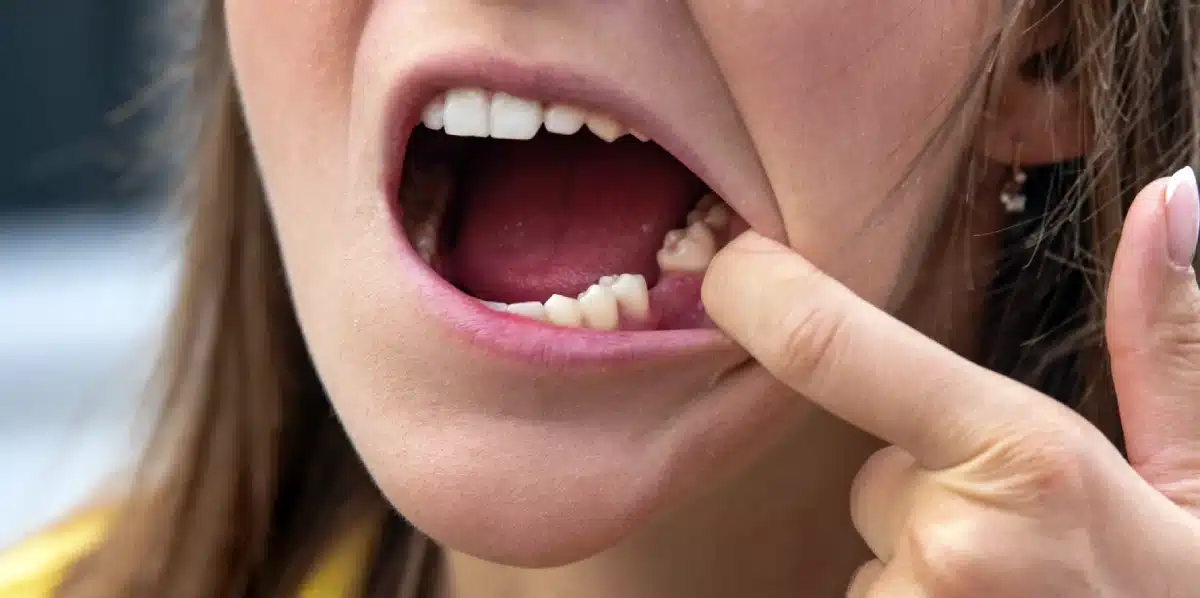
Jaw bone loss is a more common issue than you might think, and it’s not always immediately apparent; in fact, it can go on for a long time before you notice any problems. Sometimes it’s the natural result of tooth loss; other times it’s down to gum disease or certain health conditions. Either way, as the jawbone starts to show signs of deterioration, it can start to weaken support for your teeth and gums, and basically change the way you look.
Bone Density Loss in the Jaw: What’s the Big Deal?
When a tooth gets yanked, bone resorption can start to happen within a few months and picks up pace quite quickly in the first year. We’re talking up to 50% shrinkage in the width of the alveolar ridge, with most of that happening in the first few months.
The reason is that the body has no need for the bone anymore; it’s like it’s just sitting there collecting dust, so it starts to resorb. Over time, this can cause other problems, like loose teeth, shifting teeth, gums receding due to periodontal disease, poorly fitting dentures, and even a sunken-in facial appearance.
Common Causes of Jaw Bone Loss
More often than not, a combination of several different things all contribute to the issue. Identifying what yours are is super important for knowing what treatments you need in the first place.
- Tooth Loss is the number one cause; when teeth go missing, the force they were putting on the bone to keep it healthy is gone. That can cause the bone to start resorbing, and you start to lose dental bone. And the longer the space is left unfilled, the more bone gets resorbed.
- Gum Disease is the next big one in line. If you don’t get gum disease treated, it’ll keep eating away at your gum and bone. And in the worst cases, it can cause a lot of jawbone loss, working its way down from the top and towards the root.
- Trauma, infections & dentures all play a part too. Even just a fracture, a gum infection, or a poorly fitting denture that unevenly distributes pressure can add to the damage.
- Systemic and lifestyle factors also play a role. As we age, our jawbone naturally gets weaker. Osteoporosis is a particular issue for postmenopausal women. Certain medications can also cause jawbone loss, and smoking can increase the risk of gum disease and bone loss by cutting off blood supply.
So, How Do You Know if Your Bone Structure is Changing?
Jawbone loss often goes on for ages without anyone noticing; it’s not until you get some dental X-rays done that you might spot the problem. However, here are some signs that mean you should go for a regular check-up or an early intervention.
- Loose or moving teeth, tooth decay, or gaps getting wider between teeth can be a sign.
- Trouble with dentures: the way you wear dentures has a lot to do with your overall bone health. If they’re suddenly feeling loose, you might need to get them relined more often; further loss of the ridge beneath is likely.
- Your gums are changing, your teeth appear longer, you’ve got black triangles between your teeth, bad breath that won’t go, gums that bleed all the time; it’s all a sign of decreasing bone density.
- Changes to your face, like a sunken-in facial structure, thinning lips, or deeper wrinkles around your mouth and nose, can cause a prematurely aged appearance.
- A professional diagnosis is the only way to be sure, but it’s usually something that shows up in routine dental check-ups with a dental X-ray, or if it’s a bit more advanced, a 3D scan to see how much bone you’ve lost.
Dental Bone Grafting and Other Common Procedures to Help Bone Resorption and Jawbone Deterioration.
Bone loss is a big deal, but it’s not the end of the world either, and even if you can’t stop it completely, there are several ways you can help prevent further deterioration; here are some of them.
- Bone Grafting. Bone grafting materials are put in areas where there’s a bone shortage to get new bone formation started again and to give the volume needed for implants. These include your own bone material, someone else’s bone that’s donated, or synthetic materials.
- Ridge Preservation. A graft put in a tooth extraction socket as soon as the tooth is pulled helps to slow down the bone getting smaller and holds the ridge in place so it can be used for a future implant.
- Guided Bone Regeneration (GBR). A graft and a protective membrane are used to create an environment that lets bone grow back in while stopping soft tissue from getting in the way of the healing process.
- Sinus Lift. If there isn’t enough bone in the upper jaw, a sinus lift raises the sinus membrane and adds graft material to get enough bone for the implant to go in.
- Bone Growth Factor Therapy. Treatments with platelet-rich fibrin (PRF) or platelet-rich plasma (PRP) might be used alongside grafting procedures to help with healing and new bone growth.

Dental Implants and Other Treatment Options to Replace Missing Teeth
Replacing missing teeth helps get your remaining teeth back to working the way they should, and stops the bone shrinking that happens naturally after you lose a tooth. Since the jawbone cells need to be stimulated by a tooth root to stay in one piece, an implant-supported replacement is a big plus over traditional dentures.
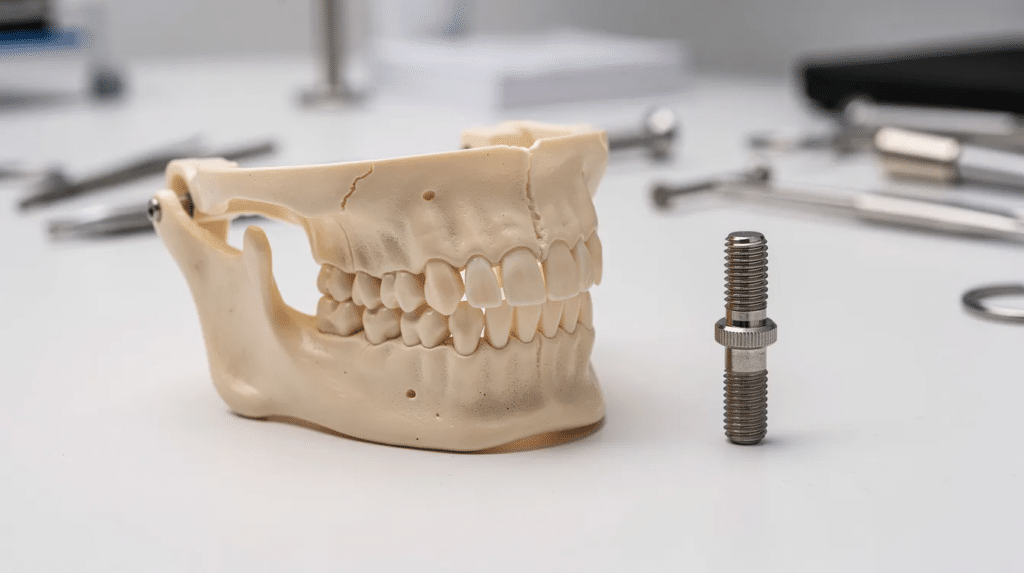
- Dental Implants. A titanium implant gets integrated with the jawbone through osseointegration and transfers the chewing forces into the natural bone, helping it stay strong and not shrink as a natural tooth root does.
- Multiple Implants. Implant-supported bridges and full arch restorations spread out the forces you put on the jaw and might even help keep the bone from shrinking more than removable dentures.
- Traditional vs. Implant-Supported Dentures. Conventional dentures rest on the gum tissue and don’t give the jaw the stimulation a tooth or implant gives, so the bone usually keeps shrinking. Implant-supported overdentures transfer the chewing forces to the jawbone, which slows down the bone getting smaller.
- Replace Teeth Right Away. After a tooth comes out, bone loss happens fastest in the first few months, and then it slows down over time. Talk to your dentist about whether you should get an immediate or early implant placement, and replacing the tooth as soon as possible might help keep the bone and reduce the chances of needing future grafting.
Lifestyle, Oral Health, and Long-Term Prevention
Even after you get the professional treatment you need, long-term success depends on your daily habits and regular follow-up care.
- Daily Oral Hygiene Routine. Brush your teeth twice a day for two minutes with a soft brush and fluoride toothpaste, and floss once a day. Good oral hygiene is pretty much the best way to keep severe gum disease and significant bone loss from happening.
- Regular Dental Exams. Get your teeth cleaned every 6 months if you don’t have any problems, or every 3-4 months if you do have a history of bone loss or gum disease, just to be safe. These visits will help keep the bone in your jaw from shrinking and prevent further damage.
- Eating a Healthy Diet. Eating a diet that gives you enough vitamin D and calcium helps keep the bones in your jaw from shrinking too much. Without enough calcium in your diet, you might have a higher risk of your jawbone shrinking, but if you get enough of it, you can help keep your jawbone strong.
- Wear A Night Guard. Night guards are a good way to protect yourself from grinding your teeth at night, which can cause a lot of stress on your teeth and jaw and accelerate bone loss.
- Don’t smoke or do any recreational drugs. Smoking and recreational drugs both slow down healing and can lead to you losing your implants or getting gum disease.

FAQ
Can Jaw Bone Loss Ever Be Completely Fixed?
Bone loss that’s not too bad can often be partially fixed with bone grafts, guided bone regeneration, or dental implants. If the bone loss happened a long time ago and was pretty bad, it might not be fully reversible, but the techniques we have now can usually get enough bone to support an implant.
How Fast Does Bone Loss Happen After A Tooth Is Pulled?
Bone starts getting smaller within weeks of losing a tooth, and it happens the fastest right after that, in the first 6-12 months. If you don’t do anything about it, the bone will keep shrinking gradually over the years, but if you take care of it right away, you can slow down the bone loss.
Is It Possible To Stop Jaw Bone Loss On Your Own?
If you take good care of your teeth and don’t smoke, eat a healthy diet, and just generally take care of yourself, you can probably keep your bone from shrinking and keep what you have strong. But you won’t be able to rebuild bone that’s already been lost; you might need a bone graft or an implant for that.
Will I Still Lose Jaw Bone If I Wear Full Or Partial Dentures?
Yes, you will still lose jaw bone if you wear removable dentures. The dentures don’t stimulate the jaw like a tooth or an implant would, so the bone will keep shrinking underneath them. And if the dentures don’t fit right, that can cause uneven pressure, which can make the bone loss happen faster.
Who Should I See If I Think I Have Jaw Bone Loss?
First up, you’ll likely get a thorough exam from your general dentist, who can use X-rays to take a closer look at bone loss. Periodontists and Oral Surgerons usually get called in for cases that are a bit more advanced, including crazy things like bone grafting and putting in new teeth with implants. The thing is, early detection is crucial, since jawbone loss often doesn’t cause any pain till its reached an advanced stage.