When it comes to deciding between dental implants and dentures, it can be pretty overwhelming online, especially if you are just googling “Dental Implants versus Dentures”. All these terms get thrown around: “implants”, “snap-ins”, “permanent dentures”, “hybrid”, and to be honest, it feels like a right mess. If you’re researching replacement teeth options in Los Algodones, you’re probably about ready to get some real clarity before you make the trip.
And here’s the thing: there is no one-size-fits-all solution. What you need to get sorted is how you want to eat. Do you want to be able to chomp down on anything you fancy, or do you have certain restrictions? How much stability do you need, and what kind of maintenance are you actually going to do?
Over at Dental del Rio (DDR), we make a big deal about clear, upfront communication.
Quick comparison: dentures vs implants vs implant-supported dentures.
| Option | What it is | Chewing stability | Removable at home | Surgery | Best fit for |
| Traditional dentures | Removable teeth that rest on the gums | Low to medium | Yes | No | You want a non-surgical start or a lower upfront cost |
| Dental implants | Posts in the jawbone that support new teeth | High | Usually no | Yes | You want the closest “real teeth” feel and a strong bite |
| Implant-supported dentures | Dentures that connect to implants for added hold | Medium to high | Sometimes | Yes | You want more security than dentures, with options |
What Conventional Dentures (Or artificial teeth) Are, and What They’re Not
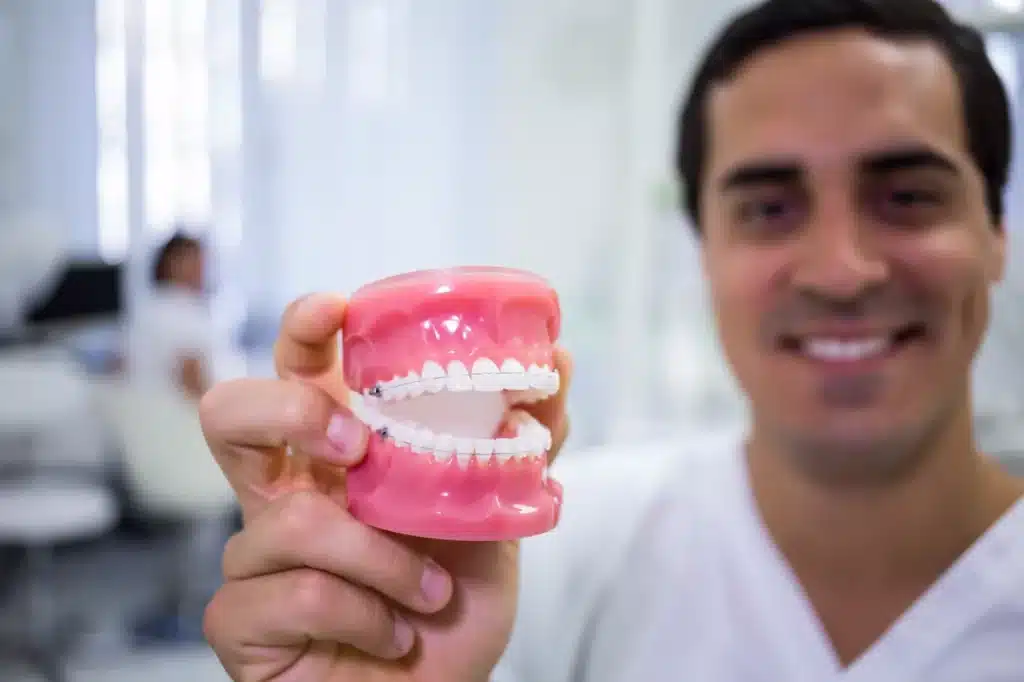
A denture is basically a fake set of teeth that replaces the ones you’ve lost. A full denture replaces all your teeth in one jaw, while a partial one sorts out just a few missing teeth and usually anchors onto your existing teeth.
Now, when you opt for traditional dentures, they can work out okay, especially if surgery isn’t on the table or you just want to get going quickly. The thing is, they’re not always the most comfortable, and they do need adjusting now and then because your gums and jawbone can change over time after you’ve lost your teeth. Dentures need to be replaced every 5 to 7 years, which adds to their long-term costs, so be prepared to tweak them along the way and maybe even replace them after a while.
Also, just to break it to you: having a “tight” denture doesn’t mean it’s automatically a comfortable one. Getting the balance right is pretty key, especially if you’re the kind of person who gets sore spots.
How Dental Implant Surgery Works, and How it Helps You Get Your Smile Back
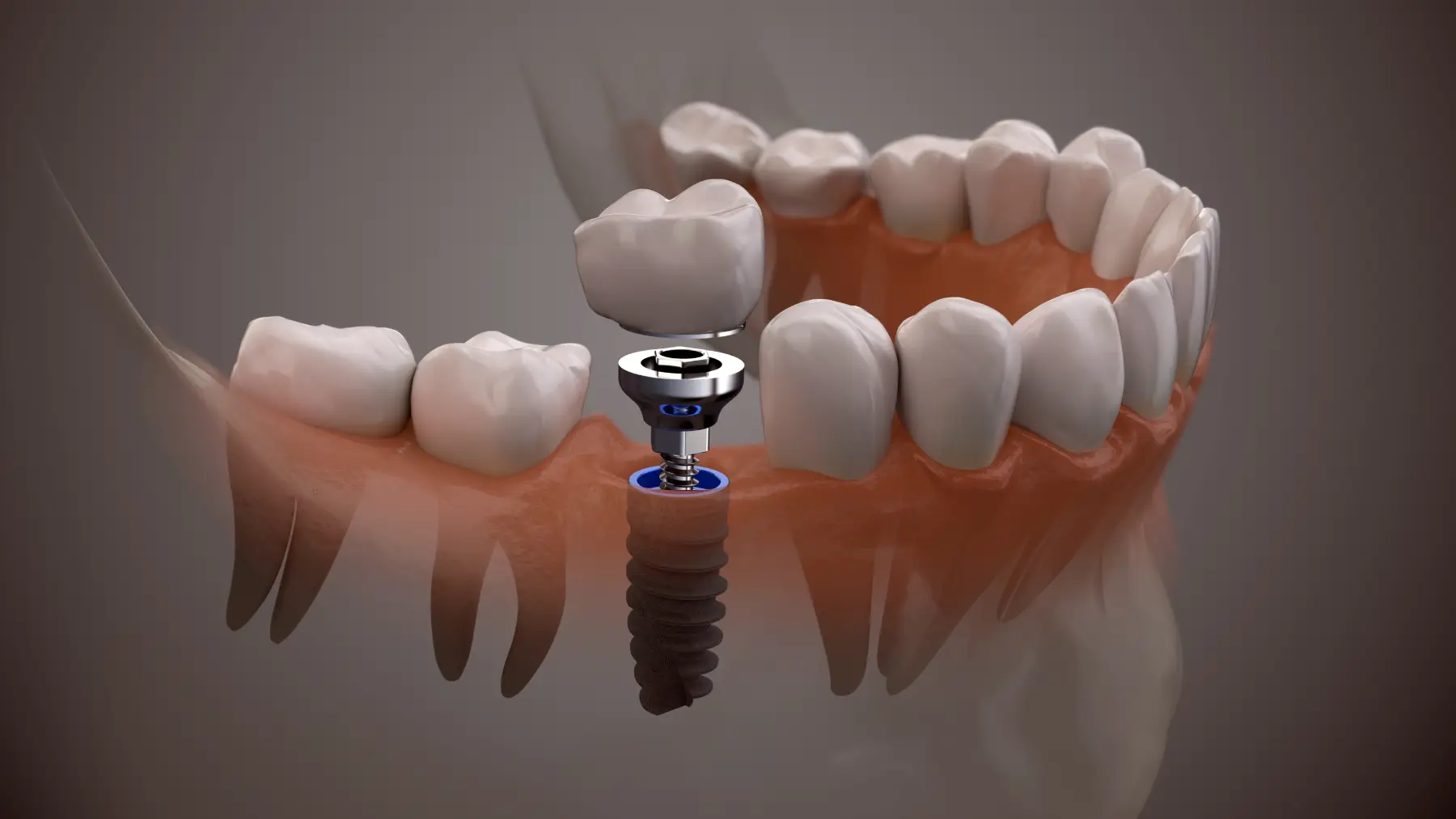
A dental implant is basically a little post that gets inserted into your jawbone and does the job of a tooth root. After that, your body starts healing, and the bone bonds with the implant: this is a process called osseointegration. But here’s the thing: it takes time. So you have to be patient and let your body do its thing.
Now, dental implants can be used to replace one tooth, a few teeth, or even help keep your dentures firmly in place. You want a dentist who will map out your case and talk you through all the options in plain English, especially if you’re going to be traveling to have care done. You also need to consider that, while the initial cost of implants may be higher than dentures, they are a long-term investment that often requires less maintenance.
The Middle Ground You Might Not Have Considered: Implant-Supported Dentures

If you’ve had experience with traditional dentures, you probably know the two biggest headaches: movement and having to use some kind of adhesive to keep them in place. Implant-supported dentures are designed to cut down on both of those issues by connecting your denture to implants in your jaw.
The Snap-In Type
These attach to your implants with a clever little retention system, and you can pop them out for cleaning. Loads of people choose them because they feel a lot more secure than traditional dentures, but still fit in with their daily routine. You can also replace a full set of natural teeth with two sets of full-mouth dental implants.
The Fixed Type (Hybrid or “Permanent” Dentures)
These are stuck onto your implants and aren’t meant to come out while you’re at home. They often feel pretty close to your real teeth day-to-day, but they do need a bit more TLC around and under the prosthesis.
How to Decide: 6 Real-Life Factors That Matter More Than “Which is Best”
So think about these six things:
- How confident do you feel about your bite?
- Have you had any problems with sore spots or loose dentures in the past?
- Do you want to be able to pop the denture in and out for cleaning, or will you be happy with a fixed one?
- What’s your timeline looking like? Are you keen to get going quickly, or are you happy to take it one step at a time?
- What’s your maintenance like? Will you actually stick to cleaning your dentures regularly, or would you rather not have to bother?
- And last but not least, how much are you prepared to pay upfront versus the long-term cost?
Candidacy and Safety: Who Qualifies for Implants or Implant Dentures
Dental implants and dentures are both tooth replacement options to fix the same issue, but they each ask your body to do different things. This bit is just general info, not personal medical advice, so don’t go thinking you’re in the clear just yet. You still need to get a proper exam and some imaging done before you can start making any decisions.
Most implant plans come down to four things: do you have enough bone and bite force to support an implant? Is your gum health in good nick? Are there any medical history issues that might affect the implant, like smoking or diabetes? And last but not least, do you have a preference, or do you want a removable denture or one that’s fixed in place?
If you’ve got limited bone volume, your dentist might need to discuss some bone grafting or a sinus lift for upper implants, and you want to know all about the reasoning behind it in plain language.
What the Timeline Can Look Like, Without Over-Promising Anything
A pretty typical sequence looks like this: you get some records and imaging done, then your dentist will come up with a treatment plan, and if needed, some prep work to get everything ready. Then it’s off to have the implant placed, followed by some healing time, and finally, your new teeth are delivered. Loads of people wear a temporary or “healing” denture while they’re waiting for everything to settle into place.
If you’re planning a trip and need dental work, it’s a good idea to find out beforehand how many visits your treatment may need, and what could affect that estimate. This will help you get a clear picture of how to pace your healing and any necessary adjustments without rushing around trying to get everything done at once.
Care and Maintenance: What You’ll Be Doing At Home (and What Your Dentist Will Be Doing)
At home, traditional dentures are fine to clean daily, but you should expect at least a few adjustments. The thing is, after you’ve lost some teeth, your mouth can go through a lot of change, so you can expect to need a few reline adjustments over time.
Implant-supported dentures are more secure, but they add more parts that you’ll need to take care of, too. Snap-in dentures are removable for cleaning, and you may need to replace some of the attachment components, whereas fixed hybrid dentures stay in all the time, so you’ll be cleaning around and under them with tools like floss threaders and interdental brushes, the smaller kind.
Working Out The Costs, Upfront Price vs Long Term Costs (and Getting A Clear Quote In Writing)
Quote comparisons can get pretty confusing when they’re all throwing in different elements; that’s why it’s a good idea to ask for a written breakdown, so you can actually compare plans and see what you’re getting for your money. Some questions to ask include what’s included in the plan (like imaging, extractions, temporary teeth, and follow-up visits), what materials they plan to use for the implants and the final teeth, and what would happen if you needed an adjustment after you got back home: get all that in writing.
In short, Dentures are generally less expensive and provide a quicker solution but require daily removal and may slip, but dental implants can last a lifetime with proper care, making them a more cost-effective solution in the long run.
DDR is known for being upfront about pricing and giving patients clear quotes. A lot of people from the US and Canada come to Los Algodones because the costs can be a lot lower than at home, and yet they still get to use all the latest and most modern materials and techniques.
Why Los Algodones is Such a Top Spot for Dental Implants (and How It Compares to Cancun)
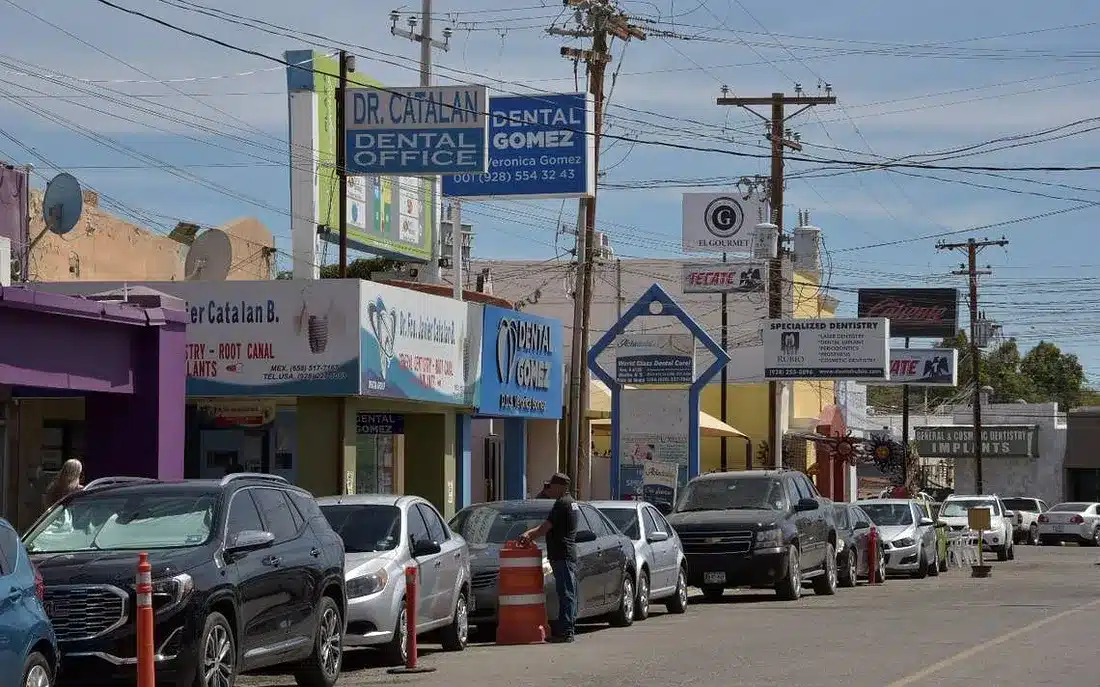
For people coming from outside the country, Mexico’s two biggest dentistry hotspots are really just Los Algodones and Cancun, but the way you get to them is what really sets them apart.
Los Algodones is a tiny border town near Yuma, Arizona, and that can make all the difference because it’s a lot easier to get in and out of, and then you can get back and forth much more easily. Cancun is a bit of a different story if you want to make a holiday of it, but it does typically take a bit more planning and time.
When you’re not at the dentist, Los Algodones is actually a pretty fun place to hang out, with little markets, the local food, and a whole town that’s been set up with dental tourists in mind. For a lot of people, that makes the whole process feel a lot less overwhelming.
Getting Started with DDR, The Low-Friction Next Step
If you’re still deciding between dentures and implants, you don’t have to travel right away. At DDR, we offer a free Virtual Diagnostic. Send recent X-rays, photos, or any treatment plan, and they’ll get back with options, a rough cost estimate, and how many visits you’d need. That way, you know before you even book a trip.
When you do travel, little details matter, bilingual staff, clear communication, free shuttle, and logistics help (border pickup, local accommodation rates), plus all the latest tech like CT scans and digital X-rays. DDR’s also proud to use big-name brands like Straumann and Nobel Biocare, with top-notch sterilization. And at the helm is Dr. Alejandro Barragan: senior doctor with the American Academy of Implant Dentistry and the ADA, always up on the latest training.
Get Your Free Quote
Want a clear, written plan for dental implants and dentures? Then start here: Get Your Free Quote. Request a quote, have a look at the prices, or ask about travel and shuttle support; it’s that simple.