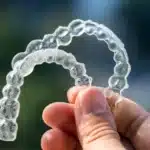
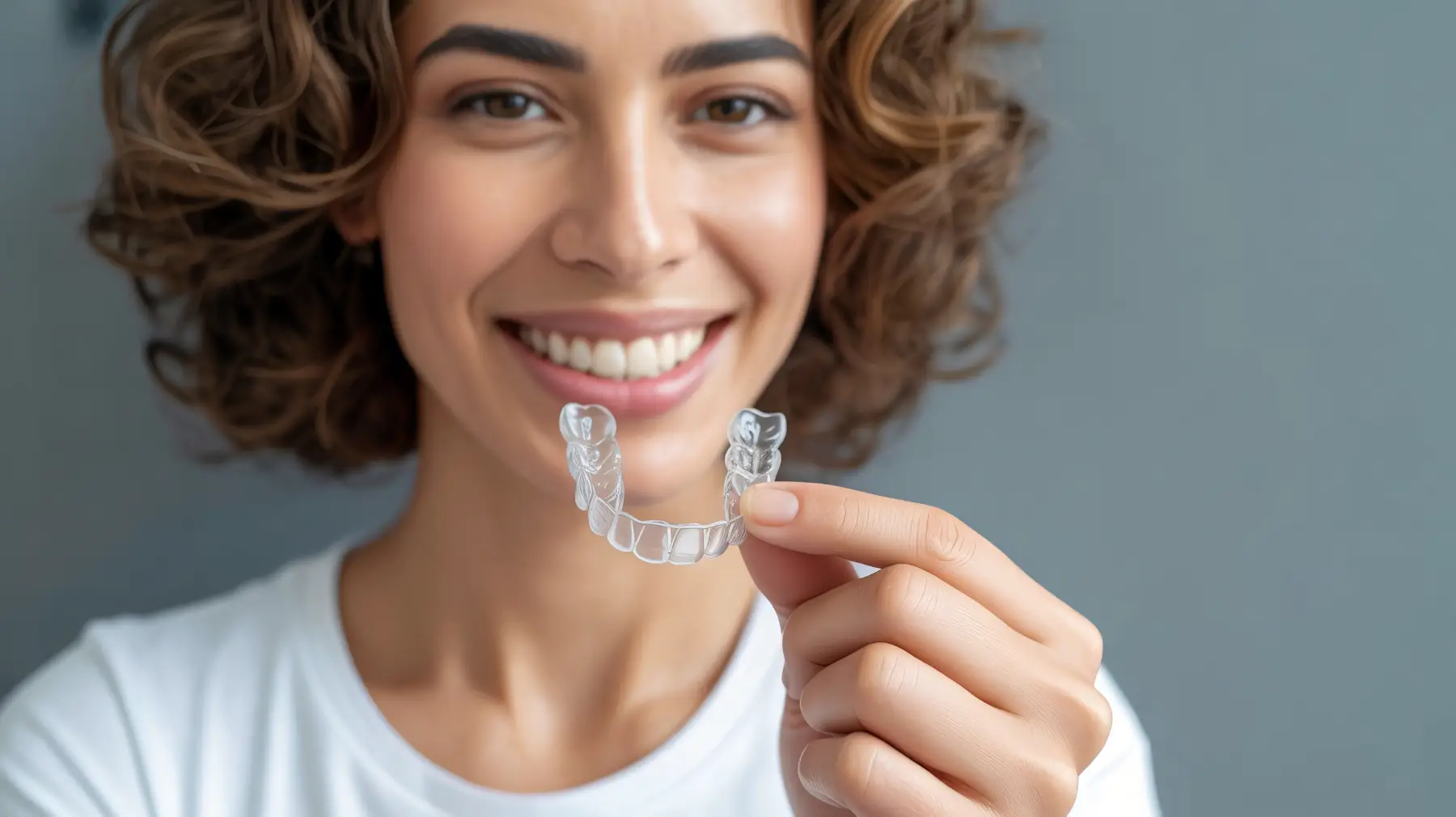
Getting a retainer can seem like the last step after all that time in braces or aligners, until you start to feel some pressure, soreness, or tightness. So, do retainers hurt, or is something just off?
Mild pressure can be normal, especially with a new retainer, but let’s be honest, that’s probably the first thing on your mind, or after you’ve gone a bit too long without wearing it. But sharp pain, gum cuts, worsening soreness, or a retainer that just doesn’t fit right should get you to the dentist ASAP.
Do Retainers Hurt?
Wearing retainers may give you a bit of mild discomfort, but they shouldn’t hurt like crazy. Because retainers are designed to keep your teeth aligned where they are, rather than try to move them around too much, some initial discomfort with a new retainer is totally normal and usually settles down within the first few days. It can take a bit longer, to be honest, as your mouth gets used to the idea of wearing one, but sharp, worsening, or persistent pain is definitely a red flag.
If your retainer doesn’t fit right, is irritating your gums, is making one tooth in particular hurt, or is affecting your bite, get it checked by a dentist or orthodontist, like, yesterday. In most cases, a properly fitted retainer just feels like gentle pressure that fades as your mouth gets used to it, and the symptoms should ease off rather than get worse.
Why Do Retainers Hurt?
Retainers can be a bit of a handful for a few reasons. New retainers can feel tight as all get out, as your teeth, gums, and all the rest of your mouth adjust to the new gear in the first few days. And, let’s be honest, if you’ve had a break in wear, your teeth might have shifted a bit, and now your retainer is feeling all tight and stuff. Sometimes, of course, the problem is actually the retainer itself.
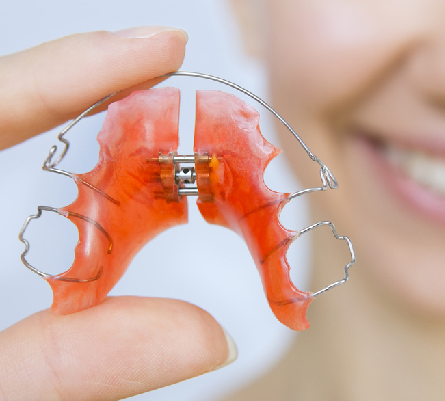
Clear retainers can warp, Hawley retainers can get wires stuck in all sorts of ways, and fixed retainers can be a bit of a pain for your tongue. And then, of course, there are all the other things that can affect how comfy your retainer is, like gum irritation, teeth grinding, or some recent dental work, crowns, fillings, veneers, that sort of thing. These pressure points usually settle down, though, unless your retainer option is causing all sorts of problems.
Is It Normal for a New Retainer to Feel Tight During the Initial Adjustment Period?
Yeah, it is normal for a new retainer to feel a bit tight at first. It’s just the retainer holding your teeth in their new spot, after all. For a quick idea of what’s normal, here’s a quick list of common symptoms: mild, steady pressure, tenderness when biting, a bit of gum sensitivity, and that tight feeling that sort of improves with regular wear.
That tight feeling should be manageable, though. It shouldn’t be causing sharp pain, bleeding, deep gum sores, or any sudden change in your bite. A properly fitting retainer should just slide on smoothly. It may feel a bit firm at first, but it should get comfier as you get used to it, and not hover halfway, rock around, or require some serious force to get it in.
Retainer Pain After Not Wearing It: What Teeth Shifting Means
When a retainer feels painful after not wearing it for a bit, it usually means your teeth have shifted a bit. Since teeth can move around after orthodontic treatment, it’s pretty common for them to shift a bit and make your retainer feel tight when you put it back in, especially if it still fits. But if it’s feeling super tight, or there’s some other problem like an incomplete fit or something, get it checked by a dentist or orthodontist. Retainers are designed to keep your teeth in place, not move them back into alignment, and putting it off just makes things worse.
Should You Keep Wearing a Retainer If It Hurts?
If it’s just a bit of mild pressure and the retainer fits, you might be okay to keep wearing it as usual. That kind of soreness is usually just part of the adjustment process, but if it’s feeling tight or painful every time you put it in, get it checked by a dentist or orthodontist; don’t just wait it out, because you don’t want oral health issues to get worse. You should also get help if your retainer is causing sharp pain, gum cuts, bleeding, or a sudden change in your bite, or if it just feels all wonky or something.
But if the retainer feels tight on one side only, or like it’s rocking around when you bite, or like it’s pressing all hard on one tooth, get help; that’s probably a sign that the retainer is warped or damaged or something.
What Not to Do With a Painful Retainer
Don’t try to force the retainer into place; that’s just going to hurt your teeth or gums and might even damage the retainer itself.
And, for goodness sake, don’t try to bend the wires, cut the plastic, or use hot water to “loosen” it. You’ll just end up warping the plastic, and the retainer will no longer fit right. Do not just ignore those bleeding, sore spots or changes to your teeth. Even if a sore spot seems tiny at first, if you keep rubbing it, it can become hard to even wear your retainer anymore.
If your retainer is causing pain, the next step is not to try to fight it, but to figure out why.
Managing Retainer Discomfort: How to Ring the Alarm on Retainer Pain Safely
If your retainer fits properly and the discomfort is mild, follow the wear schedule recommended by your dentist or orthodontist. Consistent use is important because frequently removing and reinserting the retainer can allow teeth to shift, creating a cycle of pressure and discomfort.
To manage mild soreness, you can eat softer foods, rinse with warm salt water to soothe irritated gums, or drink cool water if your mouth feels tender. If your dental provider recommends easing back into wear, gradually increasing wear time may help your mouth adjust more comfortably. Over-the-counter pain relievers such as acetaminophen may also help when used as directed.
Keeping your retainer clean is equally important. Plaque, bacteria, and debris can build up on a dirty retainer, contributing to irritation, unpleasant tastes, and discomfort. If a wire or edge is rubbing against your mouth, orthodontic wax can provide temporary relief, but persistent irritation should be evaluated by a professional.
If discomfort worsens, does not improve, or continues despite these measures, contact your dentist or orthodontist for further evaluation and guidance.
How Long Does Retainer Pain Last?
Mild soreness when you first get a new retainer is pretty normal for the first few days, and in some cases, it can last up to a few weeks before it starts to feel better. It shouldn’t be getting worse, though, and it shouldn’t be stopping you from eating, sleeping, or speaking properly.
If your retainer starts hurting after you’ve skipped a few wearings, the timeline gets a lot less predictable. The pain might mean that your teeth have shifted and the retainer isn’t fitting like it used to.
If the pain just keeps going, gets worse, or feels really uneven, it’s time to get some help. A quick check-up can stop a small fit issue from turning into something more serious, and if the pain just won’t go away after the expected adjustment period, you should get some professional advice.
If Pain Persists: When Retainer Pain Means You Need the Dentist
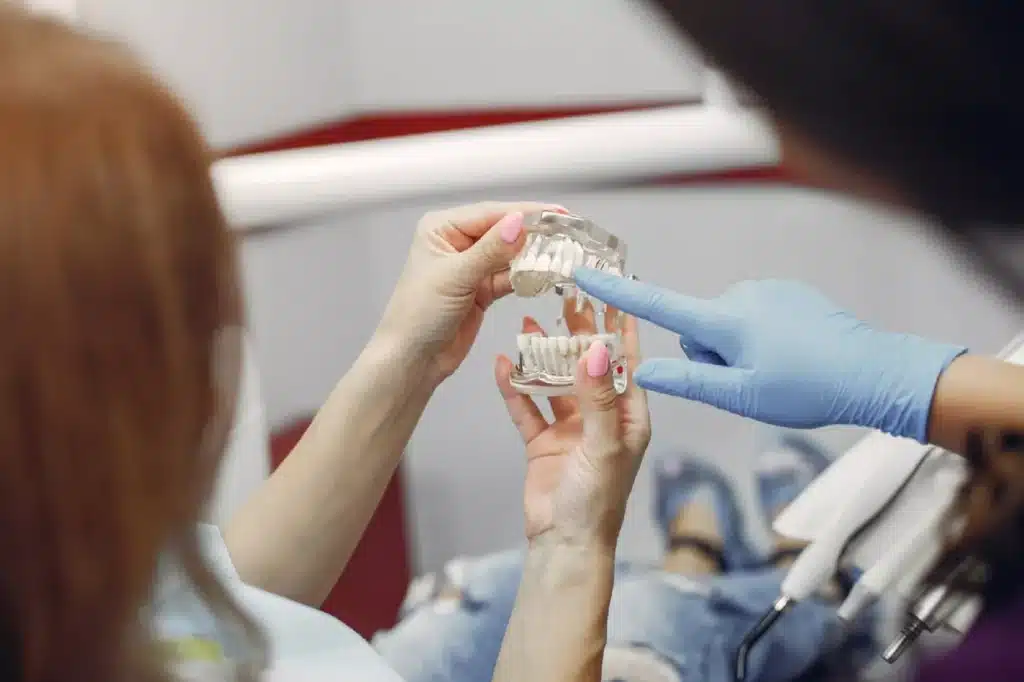
A retainer should be checked by a dentist or orthodontist if it no longer fits properly. Warning signs include persistent pain, excessive pressure, a retainer that will not seat fully, feels unstable, rocks in place, or requires excessive force to wear. Bleeding gums, sores, swelling, or persistent irritation are also signs that something is wrong.
Changes in your bite can be another indication that the retainer needs professional evaluation. If your teeth suddenly come together differently while wearing the retainer or after removing it, the fit may no longer be correct.
Physical damage is another reason to seek care. Cracked, warped, bent, loose, or otherwise damaged retainers can affect both comfort and effectiveness. Even minor changes in shape can create pressure points, irritation, and fit problems, making proper maintenance and timely replacement important for long-term oral health and comfort.
What If Your Retainer No Longer Fits? Signs of Improper Fit
If you’re experiencing retainer pain, it may mean that your retainer no longer fits. Don’t try to force it; your dentist or orthodontist may have to check whether your teeth have shifted, whether the retainer has changed shape, or whether any recent dental work has affected the fit.
In some cases, the solution can be as simple as just getting the retainer adjusted or making a new one, but sometimes, if the teeth have moved a lot, then you may need some orthodontic correction before a new retainer can do its job. Even small changes in tooth shape can make an old retainer feel tight or uneven. In some cases, there may be other retainer options that can help.
Planning Retainer or Orthodontic Treatment Care in Los Algodones
If your retainer is causing you severe pain, or your gums are bleeding, or your bite feels suddenly really different, get it checked out ASAP. Really active pain shouldn’t wait for travel plans.
If you’re planning on coming down to Los Algodones for care at Dental del Rio, we can help you understand any concerns you have about retainers, bite changes, or cosmetic dentistry, even dental work that changes how a retainer fits. A Free Virtual Diagnostic can be a helpful starting point if you want to get a better idea of what might be going on before you come in for treatment and get answers to any questions you might have.
We serve patients from the US and Canada with bilingual staff, clear communication, and all the latest equipment and materials on hand. The clinic is Family-Owned and operated to make the experience as personal as possible. At DDR, we lend a hand with shuttle, logistics, and accommodation support, on top of helping with appointments, whenever any of our patients need it. Around the time of their appointments, visitors often pop into local markets, try some of the regional food, and get a taste of what it’s like to live in a small Mexican town, all while keeping a beautiful smile in the back of their mind, or actively working on generating one.
So, Should You Freak Out If Your Retainer Hurts a Bit?
A little tightness from a retainer is usually nothing to worry about. Mild pressure is common with a new retainer or after a short break from wearing it. However, sharp, severe, or worsening pain is not normal, especially if the retainer does not fit properly, irritates your gums, or affects your bite.
If something feels off, avoid trying to adjust the retainer yourself. Instead, have the fit checked by a dental professional to prevent further discomfort or damage. Whether you need a retainer replacement, upcoming dental treatment, or general smile maintenance, a Free Virtual Diagnostic can help assess your situation and determine the most appropriate next steps.
FAQs
Do retainers sting when you get them for the first time?
Your retainer can feel a bit tight or sore at first because your mouth is adjusting to it. A bit of pressure is normal, but serious pain needs attention.
Why does my retainer hurt when I haven’t worn it?
Your teeth may have shifted a bit while you were not wearing the retainer. If it feels unbearably tight or doesn’t fit properly at all, don’t try to force it on.
Do you really need to force your retainer on if it doesn’t fit quite right?
No way, actually, that can hurt your teeth or gums and just end up damaging the retainer itself. Check the fit instead.
Will a retainer that’s really tight damage my teeth?
Tightness and actual force are two different things. If a retainer is hurting or doesn’t fit right, it can put uneven pressure on your teeth, and you should get it checked out.
How do you know if your retainer is just a bit too tight?
Warning signs to look out for are sudden pain, poor seating, gum sores, changes in your bite, and general discomfort that gets worse over time. A retainer should fit snugly but not painfully.