Milk is well known for giving you strong bones and healthy teeth, so it’s no surprise people wonder if it can also make your teeth look pearly white. The answer is pretty simple: milk is great for oral health, but it doesn’t naturally whiten teeth as a professional treatment can.
While milk has some good stuff in it that helps keep your enamel healthy, it can’t actually remove stains, bleach your stained teeth, or make a dramatic difference to the colour of your teeth. If you’re looking for a brighter smile, milk might help support that process, but it’s not the thing that puts the sparkle on your teeth.
Does Milk Whiten Teeth?
Milk can’t whiten your teeth as a professional treatment can. It’s got calcium, phosphorus, and casein that might help keep your enamel healthy, but it can’t bleach stains or make a big difference to the colour of your teeth. For results that really make a difference, professional whitening or a cosmetic dental treatment is usually the way to go.
Think of milk as a helper, rather than the star of the show. It might help protect your teeth, but it won’t turn your teeth a lighter shade like whitening treatments do.
Why Do People Think Milk Makes Teeth Whiter?
Mostly, it comes down to milk’s nutritional value. Milk’s got a few key ingredients that are good for your teeth:
- Calcium helps build strong teeth and all.
- Phosphorus supports healthy enamel; it helps make it strong.
- Casein, a type of milk protein, might help make a protective layer on the surface of your teeth.
Because milk doesn’t stain your teeth like coffee, tea, soda, or red wine does, people tend to think that it whips your teeth into shape in some way, but actually, it’s more about stopping stains from forming in the first place rather than actually removing them.
Your teeth can still be yellow or grey even if you’ve got healthy teeth. Keeping your enamel healthy is one thing, but it’s not the same as actually whitening your teeth.
Milk and Enamel Health

Enamel is the hard outer layer of your tooth that plays a big role in how bright your smile looks. When it’s strong and smooth, teeth tend to appear brighter. When it becomes worn, rough, or thin, teeth can look more yellow because the darker dentin underneath starts to show through.
Milk provides minerals that help support enamel health, but it cannot rebuild enamel that’s already been lost. If enamel is wearing away, the goal is to protect what remains and prevent further damage.
Ultimately, daily habits have a much bigger impact on your smile than drinking milk. Daily brushing with fluoride toothpaste, flossing, staying hydrated, limiting acidic foods, and getting regular checkups and dental cleanings will do far more to keep your teeth healthy and looking their best.
What Milk Can Actually Do for Your Oral Health
There are a few things that milk can actually do for your teeth:
- Keeps enamel in balance.
- Gives you calcium and phosphorus.
- Creates a more neutral environment in your mouth than a lot of drinks do.
- Helps neutralise acids after you eat.
- Helps keep your saliva flowing, which is great because it helps wash away food bits and bacteria.
These are all good things for your teeth, but they don’t make milk a substitute for brushing, flossing, cleanings, or filling cavities.
Having a healthy smile is all about keeping up a good routine, not just relying on one food or drink.
Can Milk Naturally Whiten Coffee or Tea Stains?
Milk might slightly reduce the risk of stains from coffee or tea if you’re mixing it in. Some of the milk proteins will interact with the stuff that causes stains and make it less likely to stick to your teeth.
But it can’t remove stains that are already there.
If years of drinking coffee, tea, smoking, or eating all sorts of dark foods have knocked your teeth out of whack, adding milk to your drinks isn’t going to put them back together again. At best, it might help stop future stains from forming.
There’s a world of difference between stopping stains from forming and actually removing them. Milk might help with prevention, but it’s not going to do what a real stain-remover does.
What Milk Cannot Do
Even with all the good stuff milk can do for your teeth, there are some things that it just can’t do:
- Milk can’t bleach your teeth or remove plaque.
- It can’t remove deep stains.
- It can’t change the natural colour of your teeth.
- It can’t get rid of enamel loss or tooth decay.
- It can’t fill cavities.
- It can’t help gum disease.
- And it can’t whiten crowns, veneers, fillings, or bonding; those are things that only a professional treatment can sort out.
This last one is important to remember, even professional treatments can’t always change the colour of crowns, veneers, or fillings. If discoloration is a problem with your dental work, you might need to replace or colour-match them rather than just using a whitening treatment.
What Actually Whitens Teeth?
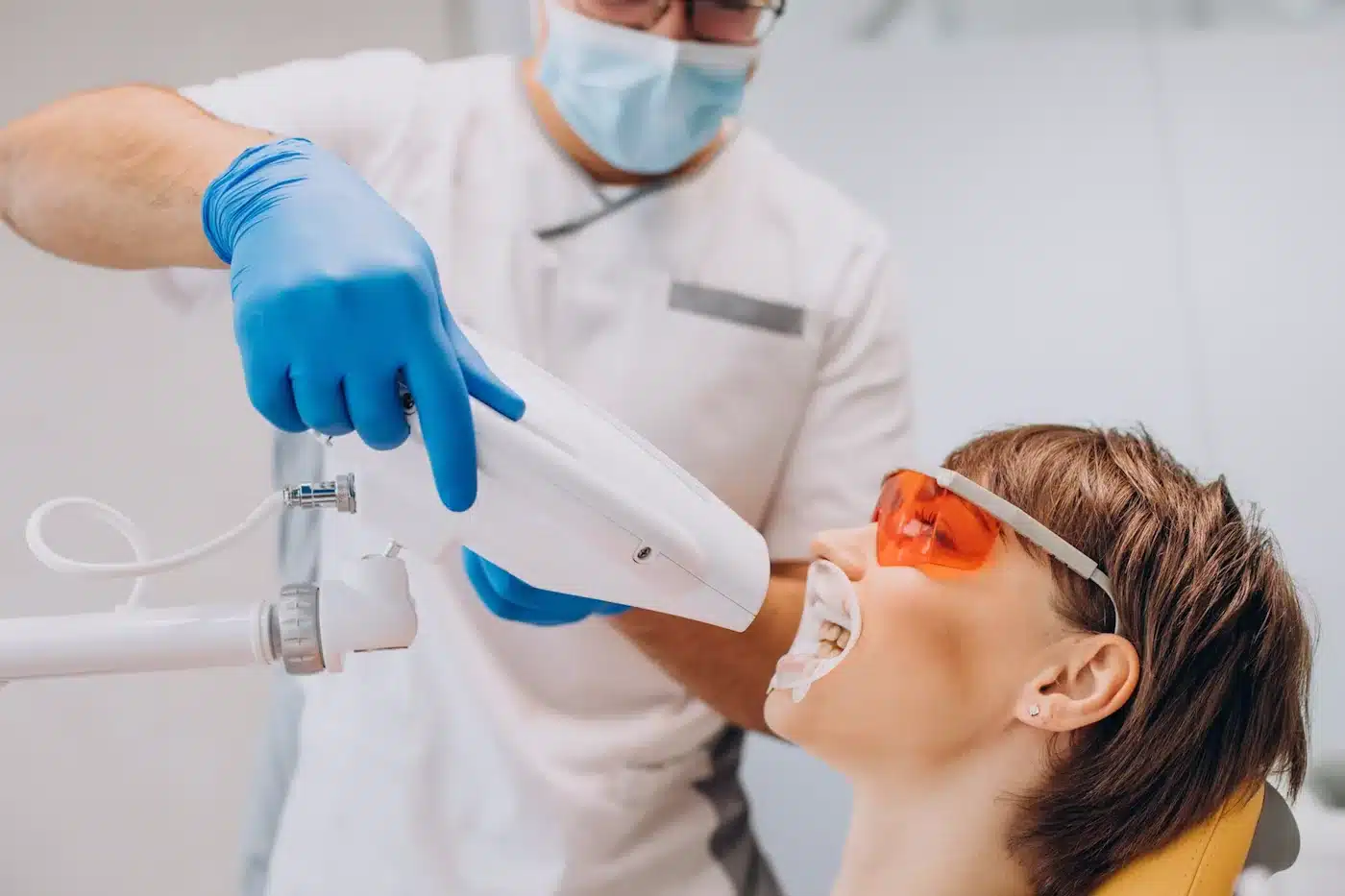
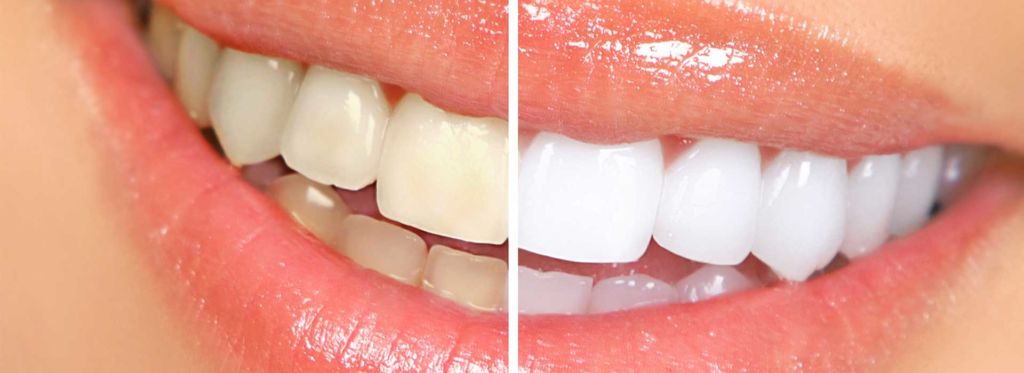
True teeth whitening relies on peroxide-based ingredients like hydrogen peroxide or carbamide peroxide to break down stains inside your tooth that foods and drinks just can’t touch.
Common options for whitening include:
- Going in for a professional whitening session at the dentist
- Using custom-made whitening trays that you take home
- Whitening strips that you stick on your teeth
- Whitening toothpaste that takes away surface stains
Professional whitening tends to be the most noticeable because it’s customized to YOUR teeth, your sensitivity level, and your dental history.
Before you go for whitening, it’s a good idea to figure out what’s causing the discoloration in the first place. Surface stains, deep stains that get right into the tooth, thin tooth enamel, aging, or old dental work, each of these will need its own solution.
Professional Whitening vs. Natural Whitening Foods
There are all sorts of foods that are good for your oral health, but they’re not a substitute for professional whitening treatments.
| Option | Can Help With |
| Milk and dairy | Support enamel health and overall oral health |
| Crunchy fruits and vegetables | Increases saliva production and helps clean tooth surfaces |
| Water | Rinse away food particles and acids |
| Whitening toothpaste | Remove surface stains |
| Professional whitening | Dramatically improve the shade of natural teeth |
Natural foods might do a little bit to keep your teeth healthy and looking good, but they just can’t give you the same level of whitening as peroxide-based treatments.
When Milk Isn’t Enough to Have Healthy Teeth
Milk isn’t likely to do much good if you’ve got deep internal staining, thin enamel, or teeth that are already gray and uneven. In those cases, professional whitening might be a better bet. And if you’ve got crowns, veneers, fillings, or bonding, you may need something more like a smile makeover to get the look you want.
The right solution will depend on what’s causing the staining, which is why a professional evaluation is always a good first step.
Why Los Algodones is a Popular Destination for Dental Patients
Los Algodones is one of the most well-known places in Mexico for getting dental work done, especially for folks from the US and Canada. The location right on the border means it’s easy to get there, and you can often get a deal on the price of treatment.
At Dental del Rio, our patients can start with a free virtual diagnostic to see if whitening, bonding, veneers, crowns, or some other cosmetic treatments are the best fit for them. We also offer bilingual support, modern equipment, and all sorts of help for traveling patients.
So, Should You Drink Milk to Whiten Your Teeth?
While milk can be part of a healthy dental routine, it’s not a substitute for professional whitening. Its real benefits come from supporting enamel health and keeping your oral environment healthy.
Want a brighter smile? The key is to focus on the basics: brush and floss regularly, stay hydrated, avoid stain-causing foods and drinks, and don’t forget to get regular dental cleanings. If you want a real color improvement, the question isn’t “does drinking milk whiten your teeth?”, it’s “what’s causing the discoloration and which treatment is best to fix it?”
A professional evaluation at DDR will help you figure out if whitening is enough, or if you need something more like veneers or crowns to get the look you want.
FAQ
Does drinking milk make my teeth whiter?
No, it helps keep enamel healthy but doesn’t bleach teeth or change color much.
Is milk good for your teeth?
Yes, it’s got calcium, phosphorus, and casein, which all support oral health and enamel.
Can milk get rid of coffee stains?
No, it may help prevent stains in the first place, but it can’t remove existing ones.
What foods help teeth look brighter?
Water, dairy products, crunchy fruits, and veggies will all help keep your teeth looking their best, but they won’t whiten them.
Can professional whitening work on crowns or veneers?
No, it only works on natural teeth, not on crowns, veneers, fillings, or bonding.