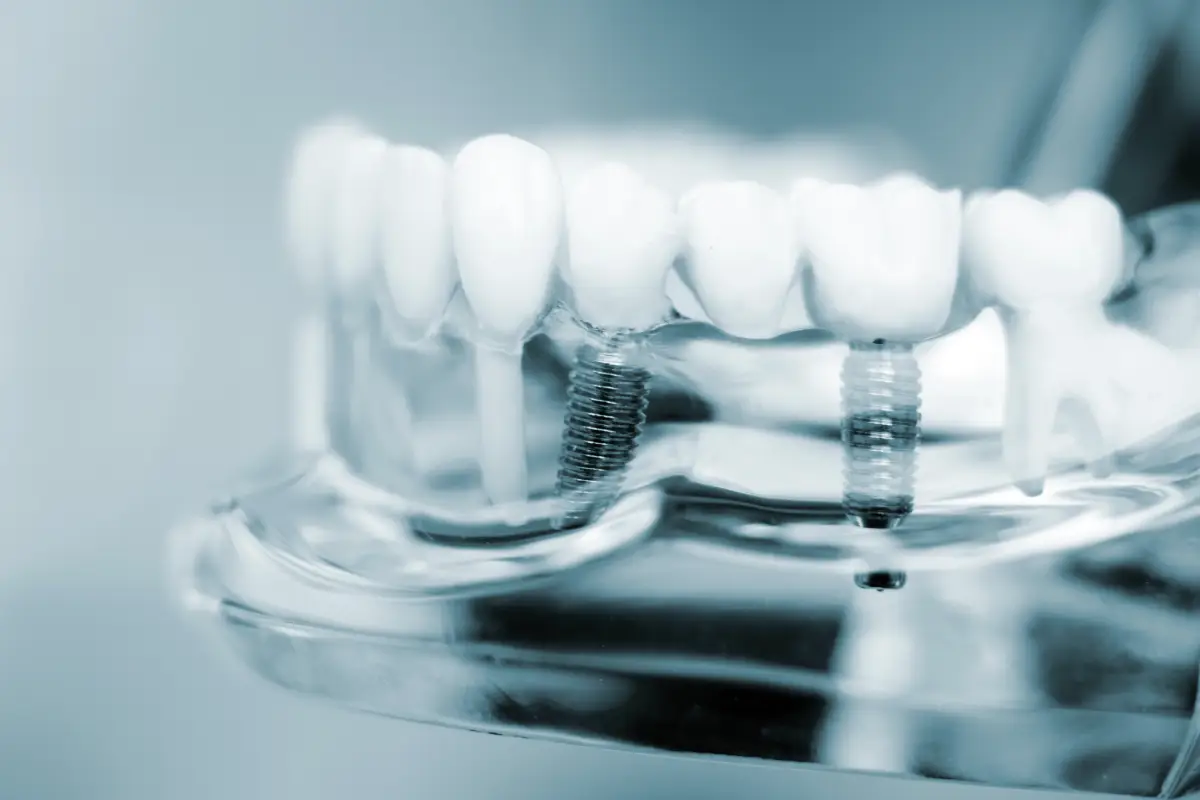
A dental implant procedure is a great way of replacing missing teeth and greatly improving your oral health, but getting a bad taste from a dental implant can be pretty worrisome, but it doesn’t always mean the implant is failing. After all, a temporary metallic or bloody taste is pretty normal after dental implant placement.
It’s only when you start noticing a constant bitter taste that you should get a bit more concerned; it might be a sign of infection, trapped food, gum inflammation, or an issue with the crown recovery.
If you’re getting bad taste coming from dental implant, you shouldn’t just ignore it, especially if you’ve also got pain, swelling, bleeding, pus, bad breath, or mobility issues. Getting treatment early on can really help protect the implant and prevent any bone loss.
Why You Might Get a Temporary Metallic Taste Around A Dental Implant
A bad taste sensation around a dental implant site usually comes from a mix of bacteria, inflammation, trapped debris, medication or surrounding tissues, and not usually anything to do with the implant material itself. So, you might notice a persistent bitter taste, metallic flavour when pressing the gum, bad breath, or other taste disturbances that just won’t clear up.
Now, it’s worth knowing that a mild metallic taste during the first 3 to 7 days after implant surgery is probably just a result of blood, sutures, or medication. But if the taste persists for weeks or shows up months or years after the implant was placed, it’s probably time to get it checked out by a professional.
Main Causes of a Bad Taste in Your Mouth After Receiving a Dental Implant
Peri-implantitis and implant area infection
Bacteria around the implant can cause gum inflammation and peri-implantitis, which can lead to a whole range of problems like pus, bad breath, an unpleasant taste, bleeding, swelling, pain, and even bone loss. In really bad cases, the implant can start to feel loose.
Trapped food particles and poor oral hygiene
Due to poor oral hygiene, food can easily get trapped between the implant crown and gum, creating a sour, rotten, or just plain unpleasant taste. If bacteria start to build up around the debris, it can get even worse and contribute to the risk of infection or inflammation.
Residual dental cement
If there’s excess cement left beneath the gum after securing an implant crown, it can start to irritate the surrounding tissue and give you a foul-tasting mouth. Your dentist can usually spot and remove any residual cement if needed.
Dry mouth and medication side effects
Dehydration and having a dry mouth, or being on certain medications, can all affect your taste and allow bacteria to build up. Antibiotics and pain meds taken after dental implant surgery can also cause temporary metallic or bitter tastes.
Sinus involvement
With upper-jaw implants near the maxillary sinus, sinusitis or postnasal drip can cause an odd taste, especially if you’re also getting congestion or sinus pressure.
Metal sensitivity or corrosion
True metal sensitivity is pretty rare, but corrosion or interactions between different metals in the mouth can occasionally contribute to a metallic taste and gum inflammation.
A poorly fitted or loose crown
An ill-fitting or loose implant crown can create a tiny gap where food and plaque buildup, causing bad breath and an unpleasant taste, even if the implant itself is healthy.
Is a Bad Taste After An Implant Normal or Dangerous?
A mild metallic taste after dental implants can be normal during the first 3 to 10 days. It’s just the blood, healing tissues, and meds playing up your sense of taste. Most symptoms will clear up within one to two weeks.
Usually normal and temporary
- That metallic taste you get right after implant surgery
- A slight bitter or chemical taste when you’re on prescribed medication
- An occasional unusual taste when you’re flossing during the first week
Warning signs requiring attention
- Bad taste lasting longer than 10-14 days
- A foul taste that suddenly pops up weeks or months after surgery
- Gum swelling, redness, warmth, bleeding, or throbbing pain
- Pus, yellow fluid, or foul-smelling discharge
- A loose implant crown or new gaps around the artificial teeth
A persistent bad taste combined with swelling, fever, significant pain, or difficulty chewing needs to be handled by a dentist ASAP.
What To Do If You Notice A Bad Taste Around Your Implant
Home care can help while you wait for a dental evaluation, but it’s really not a substitute for proper treatment if symptoms persist.
Home care while you’re waiting for your appointment
- Brush twice a day with a soft-bristled toothbrush, focusing around the implant crown and gumline.
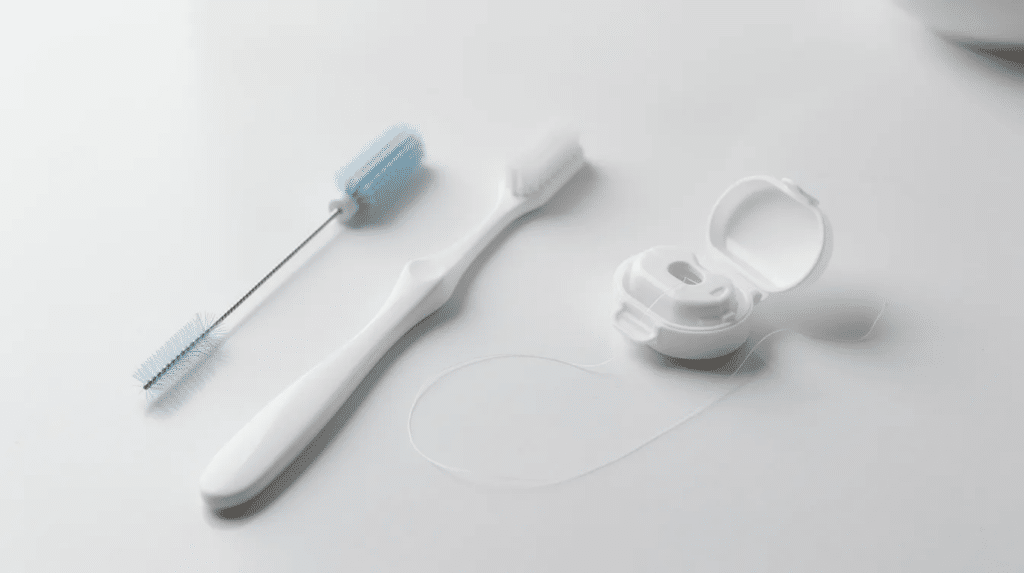
- Use floss or an interdental brush to remove any trapped food and plaque buildup.
- Rinse with warm salt water to soothe the gums.
- Stay hydrated to combat dry mouth and help clear the bacteria.
When to go for a consultation with a dental professional
Get in touch with your dentist if a bad taste is persisting for more than a few days, especially if it continues for weeks. If you’re getting pain, swelling, bleeding, visible pus, or other signs of a dental implant infection, seek immediate dental care.
What to expect at the visit
Your dentist will probably examine and probe around the implant, and may even use a digital X-ray or 3D cone-beam CT to check for bone loss and how well the implant has integrated into your jaw. Treatment might include professional cleaning, irrigation, removing any trapped cement, adjusting a loose crown, or antibiotics if an infection is confirmed.
Avoid any leftover antibiotics, metal scrapers, or strong whitening mouthwashes unless your dentist specifically says you can use them.
Maintaining Proper Oral Hygiene: Keeping Your Implants Healthy and Taste-Free
Once your implant has healed and the bone has fully integrated, the key to keeping bad tastes at bay and your implant healthy for the long term is maintaining proper oral hygiene and visiting your dentist regularly.
Daily cleaning routine
Having good oral hygiene and brushing your teeth at least twice a day with a soft toothbrush and a low-abrasive toothpaste. When cleaning around the implant crown and gumline, use implant-friendly floss, super floss, or interdental brushes that are the right size.
Mouthwash
Using an antibacterial mouthwash that is free from alcohol can really help control bacteria. Your dentist might recommend using chlorhexidine for a short time, but don’t think for a second that this can replace brushing off plaque.
Making the right lifestyle choices
Cut out smoking and vaping and try to limit your sugary and acidic foods as much as you can. Drinking plenty of water and addressing any issues that are causing dry mouth can all help cut the risk of peri-implantitis and unpleasant tastes.
Regular dental check-ups with your dentist
Go see your dentist regularly for check-ups and cleanings, every six months or more often if you are at higher risk. This means catching any early signs of gum inflammation, bone loss, or implant crown problems before they start causing bigger issues.
If you maintain proper oral care of your implant and keep seeing your dentist regularly, you can bet your bottom dollar that it will stay stable for many years to come. Any new or persistent bad taste from a dental implant that you are getting, particularly if it is accompanied by other unusual symptoms, is worth getting checked out; the earlier you do this, the better.
FAQ
Can a bad taste be a sign of implant failure?
Not usually, but if the taste persists, it could signal peri-implantitis or loosening, especially if it’s accompanied by pain, swelling, or mobility. Get it checked out and get it checked out now to prevent further bone loss.
For how long is it normal to have a metallic or bloody taste after getting implant surgery?
A mild metallic or bloody taste is pretty normal for the first 3-7 days and sometimes can last up to two weeks. If it lingers longer than that, then it’s worth getting in touch with your dentist.
What if my implant tastes bad when I floss or press on it?
This might just mean that there is some trapped food or gum inflammation; better cleaning should help, but a professional exam can rule out infection beneath the gum line.
Can dental implants permanently change your taste?
This is super rare. Long-term problems are more often down to medications, dry mouth, or infections rather than something going wrong with the implant itself.
Is it safe to ignore a bad taste if there is no pain?
No, it’s not, but it’s still worth getting it checked out even if there is no pain. Implant infections can creep up on you without any warning and cause hidden bone loss. Any persistent bad taste around an implant needs to be looked at by a professional asap.