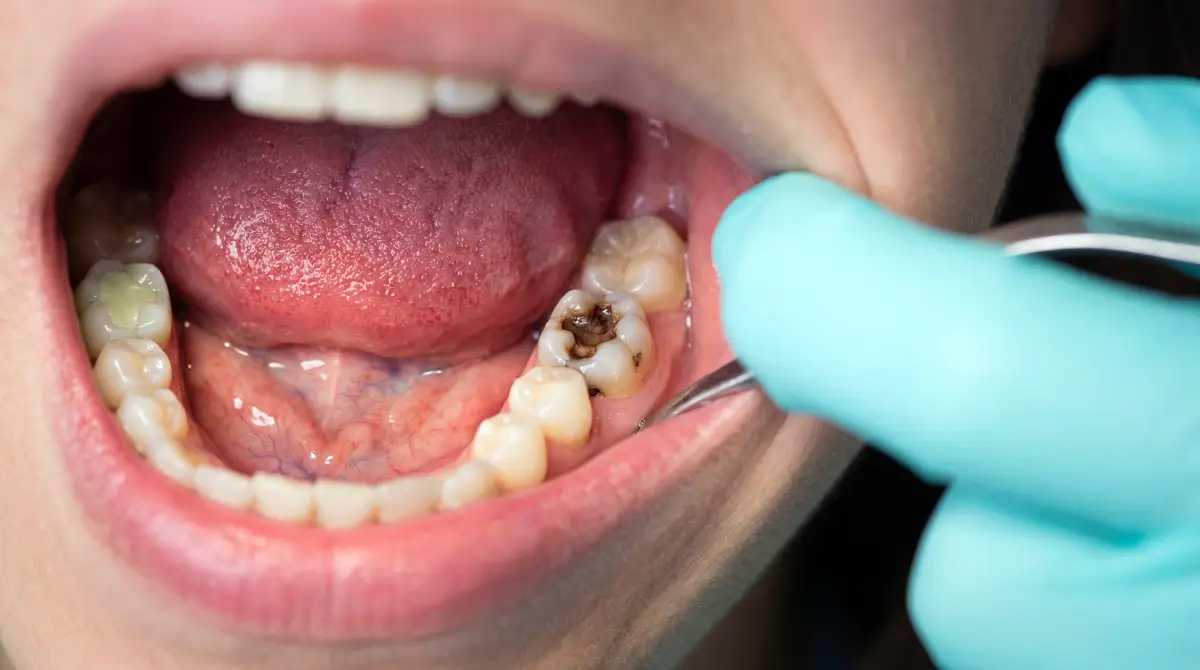
You brush your teeth every morning and night, maybe even floss regularly, and still, you walk out of that dental appointment with the dreaded news. Well, now you must be wondering, “How do I get cavities even though I brush daily?” Well, you’re not the only one: Here’s what’s going on, and what you can finally do about it.
- You can still get cavities even though you brush every day because, let’s face it, your toothbrush is only half the answer. It misses all those hard-to-reach spots between your teeth, the deep grooves in the back of your molars, and the acid that’s eating away at your teeth at night when you’re not even brushing.
- Your diet plays a massive role in all of this. Snacking all the time, sipping sugary drinks, eating acidic foods, and cramming sugar into your coffee fuel bacteria so your mouth produces acid endlessly, creating an environment no amount of brushing can fix.
- And then there’s the biology of it all: dry mouth, saliva quality deficit, acid reflux, your enamel strength, and even your genetics are all factors in how likely you are to get a cavity. So it’s not just about good brushing habits and calling it a day.
- The good news is that you can totally cut down on your cavity risk by changing up your eating and drinking habits, improving your brushing and flossing technique, and making sure you get regular checkups and some decent fluoride treatments.
“I Brush… So Why Am I Still Getting Cavities?”
You brush your teeth twice a day, you floss a few times a week, and you oddly avoid the candy aisle. And then, at your next dentist appointment, your dentist drops the bombshell: you’ve got a new cavity. It’s pretty frustrating, and it makes you wonder if all that brushing and flossing is really just a waste of time.
Here’s the short and sweet answer: having good brushing habits is pretty darn important for keeping cavities at bay, but it only deals with one tiny part of the problem. Cavities can still form because of a bunch of biological, behavioral, and environmental factors that you just can’t reach with a toothbrush.
It’s a bit like this: Bacteria + sugar or starch + time + weak or unprotected enamel = tooth decay. Even if you brush your teeth twice a day, that doesn’t mean acid sources like snacking, acidic drinks, dry mouth, and acid reflux aren’t still working against you between cleanings.
The good news is that this is a pretty common problem, and it’s totally fixable. Let’s take a look at some of the hidden causes and what you can do to make a real difference this week.
How Cavities Form (Even When You Brush and Floss Your Teeth)
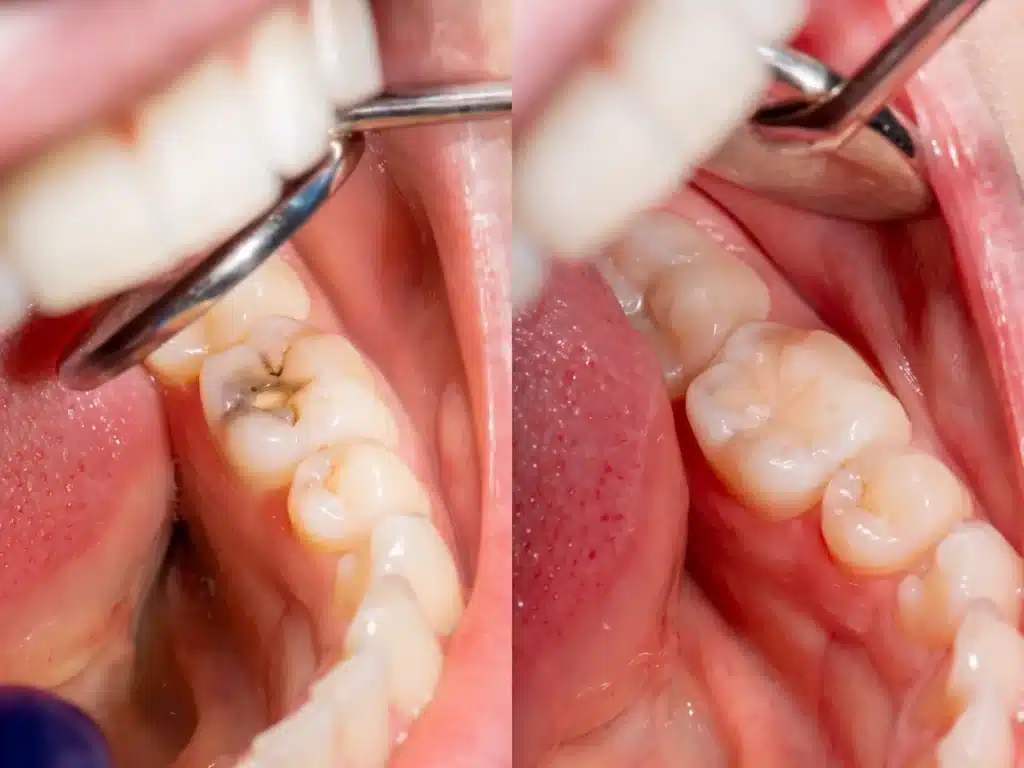
Tooth decay starts when those sneaky oral bacteria turn sugars and starches into acid, which causes dentin and enamel erosion. And before you know it, you’ve got a visible cavity on your hands. But here’s the thing: plaque starts building up in your mouth within hours of brushing, so if your mouth is constantly being bombarded with sugars or acids all day long, your teeth are under attack, even if you brush and floss twice a day.
And don’t even get started on saliva. It’s your body’s defense against all these acid-based attacks; it helps neutralize the acid, supply calcium and phosphate for remineralization, and even rinse away some of those pesky acids in your mouth. But when you’re sleeping, your saliva production is way down, which means you’re way more likely to get a cavity. And if you’re one of those people with dry mouth already, forget about it.
Those deep grooves in the back of your molars can be real traps for food particles and plaque, even if you’re using perfect brushing technique, especially if you’ve got crowded teeth. And then there are your teeth; if they’re crowded in there, there’s just no way you can get to all the spaces with your toothbrush. Bacteria thrive in these tight spots, just waiting to cause your next cavity.
People are naturally all different when it comes to cavities; some have weaker enamel due to their genetics, some have a predisposition to those nasty cavity-causing bacteria, and some just naturally produce better saliva than others. And two people with the exact same routine can turn out to have vastly different cavity experiences at their regular dental checkups.
Everyday Habits That Keep Your Teeth in “Cavity Mode”
It’s not the one little slice of cake that’s going to kill you; it’s all the little daily habits that keep your mouth in an acidic environment for hours on end.
Snacking all the time is a major no-no when it comes to cavities. Every time you eat, your mouth is flooded with acid that can last for 20-30 minutes. And if you’re eating sugary foods and snacking all day long, you’re basically feeding those bacteria in your mouth that cause cavities. And let’s not forget about all those sugary granola bars, dried fruit that sticks to your teeth, and crackers that just make it impossible for your teeth to ever recover.
And then there are all the acidic foods: citrus fruits, vinegar dressings, sports drinks, and even acidic sodas. These things can wear down your enamel over time, even without any bacterial involvement. And if you’re sipping on sugary drinks all day long, you’re basically creating an acid bath for your teeth.
Sipping coffee or tea with sugar or flavored creamers is a super common modern habit that just keeps your teeth in cavity mode. Each time you sip, you’re basically resetting the acid clock.
Some practical tweaks that can actually help:
- Try to limit your snacking to set times of the day, rather than grazing all day
- Pair your sweets with meals to get that saliva flowing
- Rinse with plain water after acidic foods or sugary drinks
- Chew sugar-free xylitol gum a bit to help neutralise the acid
Biological Factors: Dry Mouth, Acid Reflux, and Your Unique Teeth
Some of the reasons you get cavities have to do with your oral health rather than how well you brush; no amount of brushing alone can fix them.
Dry mouth is a big problem because without adequate saliva flow, your teeth lack essential protection for cavity prevention and defence against acid attack. Reduced saliva flow makes your teeth more vulnerable to acid wear and tear. If you take certain medications, don’t drink enough water, or breathe through your mouth at night, you’re more likely to end up with dry mouth; a whole host of medical conditions can cause it too. If you wake up with a sticky feeling, can’t swallow dry food, or need a glass of water next to your bed, talk to your dentist about it. Simple steps to improve the situation include drinking more water, chewing sugar-free xylitol gum, and looking at the side effects of your meds.
Acid reflux, especially the kind that causes stomach acid to flow up into your mouth and erode the enamel on your teeth, brings stomach acid (pH 1-3) into the mix and makes things a lot worse. If you look at the recent research, a whopping 51.5% of people with acid reflux are developing dental erosion, whereas only 21.4% of people who don’t get acid reflux are. If you leave it untreated, the damage just gets worse over time.
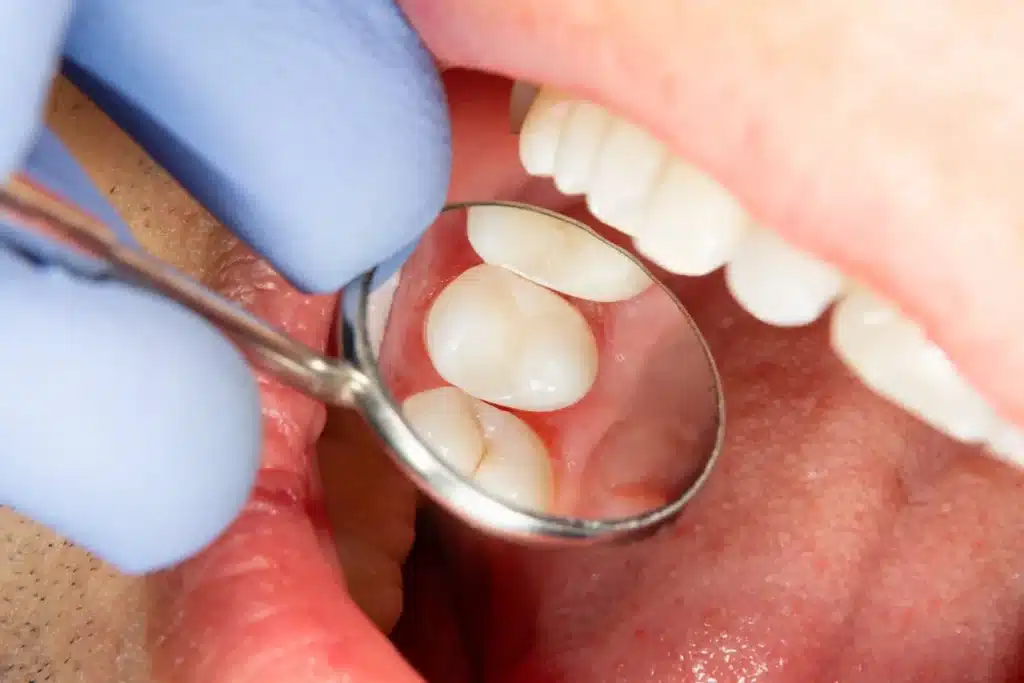
In terms of the shape of your teeth, the grooves in your molars can trap plaque that you can’t even get to with the best brushing, but getting dental sealants can actually make a big difference, reducing cavities by up to 80% over two years. If you have tightly packed teeth, trying to get to the areas that your standard toothbrush misses is a major challenge; orthodontic alignment or special cleaning tools may be the solution.
Are You Brushing as Well as You Think You Are?
When people say “I brush my teeth twice a day”, it doesn’t necessarily mean they’re actually getting rid of all the plaque, and it can be really easy to leave it behind if you brush too quickly, or if you’re using the wrong technique.
Here’s what proper brushing looks like:
- Dentists say you should be brushing for two minutes, twice a day
- A soft-bristled toothbrush is your best bet, or if you’d rather use an electric toothbrush, using a soft-bristled head is a must; too stiff and you can actually damage the enamel and make your roots more exposed.
- Angle your bristles at about 45° to the gumline and clean every surface, outside, inside, and the chewing surfaces of your back molars.
Flossing reaches the bits of your teeth that a toothbrush can’t get to. If you skip flossing, you’re basically giving bacteria a license to roam between your teeth, which is where most adult cavities start. Proper flossing technique means getting right down to the gumline, and hugging the tooth in a C shape as you go.
Fluoride is a must to help strengthen your teeth against acid attacks. If you keep getting cavities, ask your dentist about prescription-strength fluoride toothpaste, or professional fluoride varnish applications on top of what you’re using at home. Some toothpastes have higher levels of fluoride than others, and they can help to remineralise early signs of decay. If you’ve got older fillings, be aware that worn or chipped fillings leave gaps for bacteria to get into; bring it up at your next visit.
Practical Steps to Reduce Cavity Risk and Keep Your Smile Healthy
The goal isn’t to be perfect; it’s to make a few small changes to your daily routine that add up to a big difference over time.
Morning routine:
- Brush with fluoride toothpaste for the full two minutes
- Stick to water as your main drink and don’t have a soda or sweetened coffee all morning
Throughout the day:
- Stick to mealtime for your snacks; that way your enamel has a chance to recover
- Avoid constantly sipping on drinks; if you’re having something acidic or sugary, finish it with a meal
Nighttime priorities:
- Get to bed with clean teeth and give them a good flossing
- Don’t eat after brushing; it’s too late for your teeth to recover
- If you’re getting acid reflux, talk to your dentist about managing it
Lifestyle adjustments:
- Make sure you’re drinking water throughout the day, especially if you’re prone to dry mouth
- Chew xylitol gum after meals to stimulate saliva and help neutralise the acid
Professional care:
- Most people should see a dentist regularly, every six months for a check-up and a clean. Skipping regular checkups can let small problems turn into serious issues. Routine cleanings catch early signs of decay before they get out of hand, and if you want some tailored advice on looking after your teeth, ask your dentist about it.
FAQ: Why I still get Cavities
Can adults ever completely stop getting cavities?
No one can promise you’ll never get a cavity- there are plenty of things outside of your control that can contribute to tooth decay, like your genetics, tooth shape, and the meds you are on, but even so, you can dramatically cut your risk by making a few key changes and sticking to a routine. Most people will be able to keep cavities at bay for years to come if they just get a few basic things right, like brushing properly, eating the right foods, and getting regular checkups.
Should you be brushing right after every snack or acidic drink?
Not every time; after something super acidic, like orange juice or soda, your tooth enamel gets soft and vulnerable. If you brush then you might end up chipping it, which wouldn’t be good. So it’s best to just rinse your mouth out with water, wait a half hour, and let your saliva sort it out before you brush.
Why does the same tooth keep getting cavities?
If the same tooth keeps getting cavities, there’s probably a reason for it, maybe there is a deep groove that plaque can get stuck in, or it could be a filling that needs to be done over, or you might have some really tight spaces in between your teeth which makes it hard to clean them properly or maybe you just dont have enough saliva to keep things clean. You should talk to your dentist about it, and they can probably suggest something that will help, like getting a sealant or some other treatment to help you out.
Does mouthwash really help prevent cavities?
Fluoride mouthwash can give you a bit of extra protection against cavities, but it shouldn’t replace brushing and flossing. You see it as an extra tool to keep things going for people who are at high risk, but not as a magic bullet to get out of all the other work. If you are getting a lot of tooth decay and losing teeth, it might be worth using a fluoride mouthwash and getting regular cleanings to keep an eye on things.