Getting new dentures is a great way of replacing some or all of your missing teeth and restoring your smile, but it’s natural for you to start to wonder, “How often should you replace your dentures?” Well, in this guide we’ll provide you with all that you need to know.
Most dentures can last up to 5 to 10 years, but with daily wear and the natural changes to your gums and jawbone, their fit and function tend to go downhill. Knowing what to look for and the typical lifespan of dentures can help you decide when it’s time for a new set.
- In general, dentures remain functional for 5 to 7 years, although with regular care, they can last up to 10 years without needing to have your dentures replaced. Dentists usually recommend replacing them as your gums and jawbone change shape over time.
- Here are the signs you need new dentures; if you’re experiencing any of these issues, it’s probably time to go back to your dentist. They include looseness, pain when you’re wearing them, mouth ulcers, cracks, discoloration, or increased difficulty eating and speaking.
- After you lose teeth, your jawbone and gums start to change, which can make even well-maintained dentures lose their fit. This is known as bone resorption.
- Regular dental check-ups can help determine whether an adjustment, reline, or full replacement is the best option for your dentures.
- If you have implant-supported dentures, they’re different from regular dentures. The implants themselves can last for decades, but the denture portion often needs to be replaced sooner.
How Long Do Dentures Typically Last?
Most full dentures last 5 to 7 years, although with proper care, they can last up to 10 years. A 2020 study looked at over 3,000 dentures and found that about 41% had failed after 10 years.
Partial dentures usually last just as long, but if your remaining teeth shift or get lost, you may need to replace them sooner. Implant-supported dentures, on the other hand, offer greater stability, but the prosthetic teeth and acrylic base still wear down and need to be replaced around every 7 to 10 years.
The lifespan of dentures also depends on the quality of the material, how often they’re used, your eating habits, if you grind your teeth, and how well you take care of them.
Even if your dentures look fine, a good dentist can evaluate them around the 5-year mark to see if they still fit properly or if you need to replace them.
Why Do Dentures Eventually Need to Be Replaced?
Dentures aren’t forever because both the mouth and denture materials are constantly changing. After you lose your natural teeth, your jawbone and gums naturally shrink and change shape, so the denture base doesn’t fit as well anymore. This can cause dentures to feel loose or unstable.
Daily use, like chewing food, clenching, grinding, and cleaning, also wears down the acrylic and artificial teeth. The prosthetic teeth can become flat, while the denture base can develop cracks, warp, or become porous, all of which can reduce the efficiency of your chews and create uneven pressure.
If dentures don’t fit well, it can cause mouth sores, gum irritation, ulcers, and fungal infections. As the bone loss continues, it can also cause your face to change, with sunken cheeks, a collapsed lower face, or deeper lines around your mouth, all signs that you might be due for new, replacement dentures.
The financial considerations of getting new dentures depend on the type of prosthesis, materials, and how much dental work is needed beforehand. While replacing dentures is an added expense, delaying replacement can lead to more costly problems if poor fit causes sores, infections, or further oral health issues.
Regular checkups can help identify whether a less expensive adjustment or reline can extend the life of your dentures before full replacement becomes necessary.
The Signs Your Dentures Need to Be Replaced (Not Just Fixed)
Many patients just put up with denture issues for years. If you’re experiencing problems like dentures that slip and slide, needing a lot of adhesive to keep them in place, getting sore spots that just won’t go away, or having trouble eating or speaking, it may be time to get a new set of dentures.
Some problems can be fixed with a simple adjustment or reline. However, if the same issues keep coming back, or the dentures are seriously worn out, replacement is usually the best option.
Denture Replacement vs Relining & Adjustments
Not every denture problem needs a brand new set. An adjustment can correct minor issues, while a denture reline can add material to the tissue side to improve fit. A full denture replacement is usually best when:
- The base is cracked, warped, or needs to be repeatedly repaired.
- Denture teeth are really worn out, flat, or chipped all the time.
- Your dentures are coming up on 7-10 years and are becoming a constant repair job.
- Your bite has changed a fair bit, either because your facial shape or speech has changed.
Replacing them is going to mean getting new impressions taken and several visits to get them fitted properly, after which you just have to get used to having new dentures in your mouth.
Factors That Affect How Long Your Dentures Are Going To Last
How long your dentures last is going to depend on a few different things :
- Bite forces: if you clench and grind your teeth, as I do, you can accelerate the wear on your dentures.
- Diet: if you tend to eat a lot of hard or sticky food, it’s going to be wearing down your dentures and stressing the base.
- Oral habits: things like biting your nails or chewing pens, or even opening packages with your teeth, can be causing cracks in the dentures.
- Denture care: keeping them clean and soaking them every day will help get the most life out of them.
- Body changes: if your weight changes or you start losing bone in your jaw, it can cause your dentures to feel like they no longer fit right.
On top of all that, smoking and drinking a ton of coffee or wine is also going to cause a lot of staining, so you’ll want to keep up with those dental check-ups to catch any problems before they get a lot worse.
Denture Care Tips to Help Get Your Dentures to Last As Long As 10 Years
Keeping your dentures in good shape does make a difference, even if it’s not going to be able to stop you from needing them replaced eventually.
Daily routine:
- Give your dentures a good rinse after every meal.
- Brush them at least once a day with a soft brush and a gentile denture cleaner.
- Clean your gums and tongue and the rest of your teeth too.
Nighttime routine:
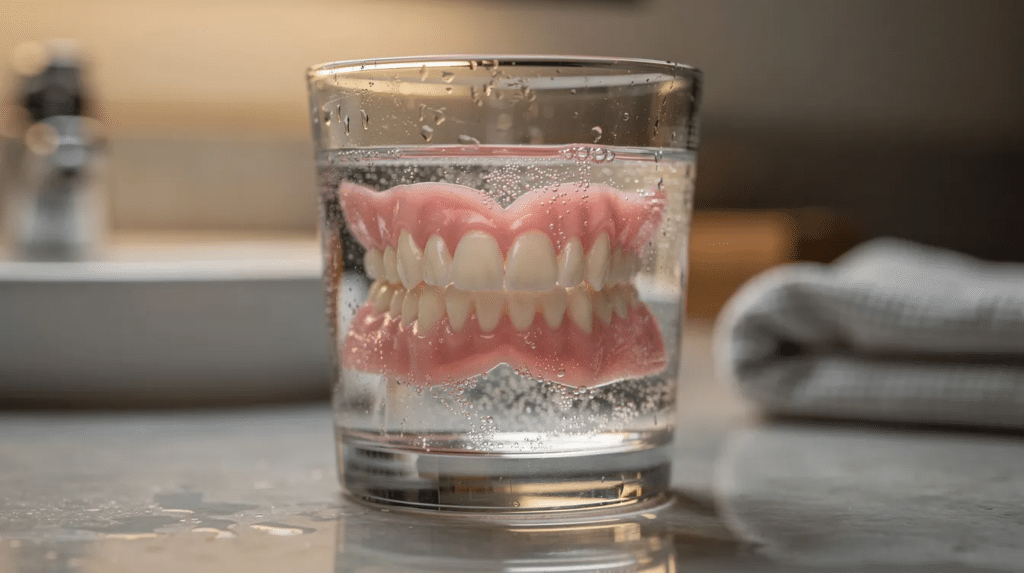
- Take them out when you go to bed, so your gums can get a break.
- Soak them in water or a denture solution so they don’t dry out and warp.
Things to avoid:
- Hot water is a no-go; it’s going to distort the acrylic.
- Bleach or abrasive cleaners can damage the surfaces.
- Don’t even think about trying to do your own repairs or bending the clasps yourself; that just ends in fractures or bad fits.
Sneak in a denture fitting checkup every year, even if your pair isn’t causing you any pain. Your dentist can determine if your dentures need a minor tweak or if it’s time for a new set.
FAQ
Can I keep wearing dentures that feel a bit loose if they’re not painful?
No. Loose dentures can still damage gums, cause sore spots, and make chewing harder. Adhesives may help temporarily, but regular looseness means your dentures may need adjustment or replacement.
How do I know if I need new dentures or if dental implants are a better option?
Both replace missing teeth, but dental implants provide greater stability and may slow bone loss. If dentures repeatedly loosen or require adhesives, ask your dentist about implant-retained dentures. They can assess your bone levels, health, and budget to recommend the best option.
Is it normal for new dentures to feel strange after replacement?
Yes. Mild soreness, extra saliva, and slight speech changes are common while adjusting to new dentures. If you have severe irritation or your dentures hurt persistently, you should be evaluated and adjusted by your dentist.
Will I need to go without teeth while my new dentures are being made?
Usually not. Immediate dentures can often be worn after tooth extractions, preventing you from going without teeth. Your dentist can explain temporary options based on your treatment plan.
Does replacing dentures get more difficult as I get older?
Not necessarily. Age alone does not prevent successful denture replacement. Bone loss and other health factors may affect your options, but adjustments, softer liners, and implant-supported dentures can improve comfort and fit.