If you’re thinking about getting a dental bonding procedure, or you already have some bonded teeth, then you’re probably wondering how long dental bonding lasts. The truth is, the answer depends on where the bonding is done, how well you look after it and your own personal habits. So here’s everything you need to know.
The Lifespan of Dental Bonding
When it comes to how long does dental bonding lasts, it really varies, but here are some rough ideas to give you an idea:
- Typically, bonding on front teeth lasts anywhere from 3 to 10 years, with most people seeing 5-8 years.
- If you look after it properly and don’t miss any of your dental check-ups, dental bonding can last 4 to 8 years, and small fillings might even last longer than big cosmetic repairs.
- Habits like biting hard objects, chewing pens, or grinding your teeth are a major factor in how long bonded teeth will last.
Benefits of Regular Check-ups & Good Oral Hygiene
Looking after your teeth and going for regular check-ups can all help extend the life of your dental bonding. If you keep an eye on things, there’s a good chance your bonding will last longer than expected.
What Is Dental Bonding?
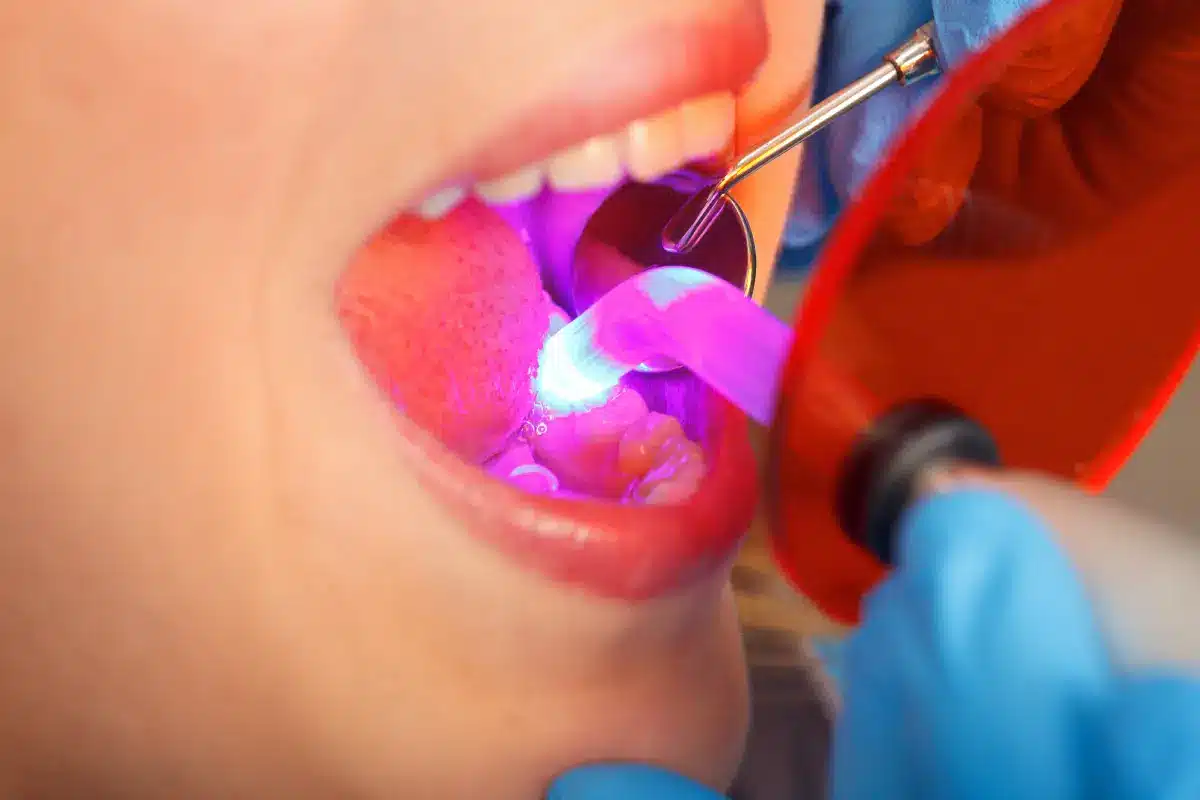
Dental bonding is a minimally invasive procedure where a dentist applies a tooth-coloured resin material to your tooth to fix chips, close gaps, or reshape it. The resin is moulded into shape and then hardened with a special light to create a strong bond.
Dental bonding offers a relatively painless treatment that usually only takes a single appointment of around 30-60 minutes per tooth. Most people have it done on their front teeth, but a skilled dentist might also use it on back teeth for small cosmetic changes or to fill tooth decay.
Unlike dental veneers or crowns, which need more tooth prep and cost more, bonding is a more conservative and reversible option. However, it’s not as strong as natural teeth, which is why knowing how long it lasts is so important.
How Long Does Dental Bonding Typically Last?
The short answer is: dental bonding typically lasts between 3 and 10 years. Most people with bonding on their front teeth can expect around 5-8 years before needing a touch-up or replacement.
In reality, how long it lasts depends on the specific job it’s been done for:
- Small gaps and chips on front teeth often last towards the top end of the range, sometimes lasting 10 years if you look after your teeth properly.
- Large cosmetic changes tend to fall on the lower end, lasting 3-5 years.
- Small fillings with strong tooth structure might even last longer than 10 years.
- Front teeth bonding generally lasts longer than molars because they take less chewing pressure.
Factors Affecting the Lifespan of Dental Bonding
So, how long will your bonding last in your specific case? That really comes down to a few factors, both the skills of the dentist doing the procedure and your own personal habits.
Clinical factors:
- Size of the bonded area. Big restorations can be more prone to stress. Smaller repairs tend to hold up better.
- Tooth location and bite pressure, Molars take a beating from chewing, which means they don’t last as long as front teeth.
- Material quality & bonding technique, Proper dental bonding materials and a good technique make all the difference. A study showed that higher quality materials, like an optimised adhesive system, can keep a bond strong for years.
- Overall oral health, decaying teeth, gum disease or weakened enamel can all make your bonding more likely to fail.
Your personal habits:
- Biting your nails, chewing pens or using your teeth to open things. These habits put unnecessary stress on your bonding material and cause chips.
- Biting on hard objects or eating sticky foods, using your teeth as a tool to open packages, hold or open things, eating hard ice, popcorn, or hard candy can chip or break your composite resin bonding. Your eating habits can really affect how long your bonding lasts.
- Staining drinks and tobacco, Composite resin is more prone to staining than natural enamel. If you drink coffee, tea or wine a lot, it’ll get discoloured quicker. Tobacco products will stain your bonding even more.
- Teeth grinding (bruxism), Grinding your teeth can really reduce the lifespan of your dental bonding. Without a mouthguard, grinding creates stress cycles that lead to cracks and fractures.
Average Lifespan by Tooth Area and Type of Bonding
Not all bonding is the same. Here’s a rough idea of how long you can expect bonding to last based on where it’s placed:* Front teeth (cosmetic bonding): You’ll typically get 5-8 years out of it on average. Now, if you just have a tiny chip or a small gap closure in a low-traffic area, you may be able to squeeze a bit more out of it, sometimes 10 years or so.
- Front teeth biting edges: these repairs don’t last as long and will probably need some touch-ups in as little as 3 to 6 years.
- Premolars: generally speaking, you can expect them to last 4-8 years since they have to handle moderate chompers.
- Molars and biting surfaces: these tend to last around 3-5 years, although if you’ve got a heavy bite or a big restoration, it might not last as long.
- Short-term cosmetic bonding: this is basically a quick cosmetic dentistry fix, good for a year or so; often, you’ll need to replace it with veneers or other cosmetic treatments in 1-4 years.
Dental Bonding vs. Veneers and Crowns: Which Option is Better for the Long Haul?
When you’re trying to decide, keep in mind that veneers and crowns will generally outlast bonding, but they have trade-offs when it comes to cost and invasiveness.
- Porcelain veneers can last 10-15 years or even longer. They resist stains really well but require you to remove a little bit of enamel (about 0.5-0.7mm) and are not reversible.
- Crowns, either porcelain-fused-to-metal, ceramic or zirconia, can also last 10-15 years or more. They cover the whole tooth and are a good option if you need a severely damaged tooth or a root canal-treated tooth fixed.
- Dental bonding is a more affordable, non-invasive option that’s easier to repair, but the lifespan is shorter, 3-10 years. The resin can stain more easily than porcelain, too.
It really comes down to what matters most to you. If you need to make big changes, have a lot of damage or really heavy bite forces, veneers or crowns might be a better bet. If you’re looking for a simple, budget-friendly fix for a small cosmetic problem, bonding is hard to beat.
How to Stretch Out the Lifespan of Dental Bonding
With a bit of proper care, you can get your bonding to last closer to 10 years rather than 3. Here’s the lowdown.
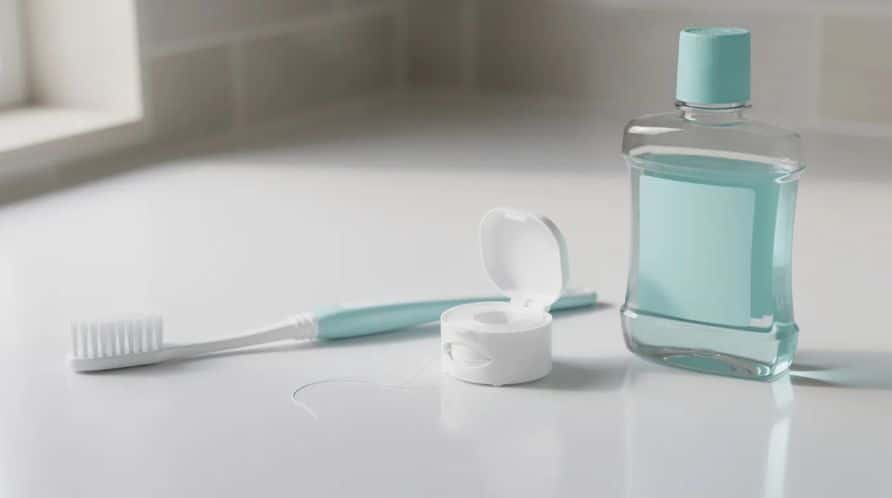
- Look after your teeth. Good oral hygiene practices like regular brushing and flossing are extremely important, at least twice a day with a soft-bristled toothbrush, and floss regularly. This helps prevent staining and decay around the bonding. Maintaining good oral hygiene practices is one of the best things you can do for your bonding.
- Use a gentle toothpaste; the abrasive stuff can scratch the resin and dull its finish. Instead, use a conditioner or a gentle fluoride paste.
- Avoid biting down on hard stuff, don’t go chewing on ice or hard foods, and try not to use your bonded teeth as tools. The resin can chip easily if you’re biting down too hard.
- Cut back on staining foods, try to limit your coffee, tea, soda, and red wine intake. If you do eat or drink them, give your teeth a good rinse with water afterwards. Bonding just doesn’t resist stains as well as your natural teeth do.
- Kick the cigs, smoking or vaping will just make your bonding stain and degrade faster.
- Get yourself a night guard if you’re a teeth-grinder or clencher; this will protect your bonding and healthy teeth from excessive pressure.
- Stay on top of your dental check-ups, and see your dentist every six months or so. Regular check-ups and cleaning appointments will help you catch any issues with your bonding early on, before they become bigger problems.
When You Need to Replace or Repair Your Dental Bonding
Bonding doesn’t just fail overnight. You’ll start to notice small changes first, and catching them early on can save you time and money. Plus, bonding is super easy to repair or renovate if it’s stained or chipped, so don’t delay.
Watch out for these warning signs:
- Chips, cracks or sharp edges. If your tongue catches on a rough edge, it’s a sign that the resin has started to wear off. Sharp edges on bonded teeth mean it’s time to get a new one made.
- Colour mismatch: if your bonding starts to look discoloured or mismatched from the rest of your teeth, it’s probably time to get a new match.
- Increased sensitivity, if you start to feel some sensitivity to hot or cold foods near a bonded tooth, it could mean there’s a tiny gap, microleakage or some decay at the margins.
- Visible gaps or dark lines, if you start to notice some shadow lines where the bonding meets your natural teeth, it means the seal has weakened.
- Dull or pitted texture, if your bonded teeth start to look rough, it means the resin has some problems.
If you notice any of these signs, get in touch with your dentist; the sooner they can sort out the problem, the better.
Are Bonded Teeth Really the Right Option for You in the Long Run?
Dental bonding is perfect for small cosmetic changes, minor repairs and conservative treatment on a budget. It’s great for fixing chipped teeth, closing small gaps or reshaping a few front teeth where the pressure isn’t too great. However, people looking for a long-lasting, stain-resistant smile makeover that involves multiple teeth might find that porcelain veneers or other cosmetic treatments are the way to go after getting some professional advice and assessment. Those with pretty serious tooth decay, large chips or cracks, or grinding habits that are persistent would probably do better with crowns.
The best way to figure this out is to sit down with your dentist and talk about what you’re trying to achieve, your daily habits, and your budget. Understanding the lifespan of dental bonding is key to making an informed decision that will give you the beautiful smile you want.
Getting Dental Bonding (Or Any Other Dental Care) At Dental Del Rio
Los Algodones has become a popular choice for patients from the United States and Canada who want high-quality dental care without the high costs often associated with treatment back home. At Dental Del Rio, we take pride in helping patients restore their smiles with personalised care and exceptional results. Whether you need restorative treatment or are interested in cosmetic dentistry like dental bonding, our experienced team is here to help. As a family-owned practice, we bring together more than 100 years of combined experience and a commitment to treating every patient like family.
From the moment you arrive in Los Algodones, our bilingual team will do everything possible to make your visit comfortable and stress-free. If you need help with transportation or lodging, we’re happy to point you in the right direction. Just let us know during your initial consultation. The process starts with a free virtual diagnostic in which we’ll discuss your goals, evaluate your smile, and determine whether dental bonding is the right option for you.
FAQ
Can you redo dental bonding if it starts to wear off?
Yes, you can. Usually, bonding that’s worn or chipped can be sorted out by adding more composite resin, reshaping what you’ve already got, or, in a worst-case scenario, removing the old bonding and starting over. As long as you’ve got the underlying tooth structure, all should be okay. However, if you’ve had to keep repairing it over the years, your dentist might suggest switching to something more long-lasting, like a veneer or crown in the end.
Does dental bonding stain faster than your teeth?
Well, composite resin is a bit more porous than enamel, so it’s more likely to get discoloured over time compared to your natural teeth. If you drink a lot of coffee or tea, or smoke or drink red wine, then the bonded areas might get stained before your real teeth do. Getting professional cleanings might help, but sometimes staining can be quite bad, and you might need to get it replaced to get the right colour match.
Is dental bonding a reversible process?
Dental bonding is pretty conservative and reversible, especially when you’re just adding some extra composite to cover up a bit of tooth. The less enamel that gets removed, the better it is for you. That said, if you need to get the dental bonding removed completely, your tooth might not look the same as before, and you might need to consider another cosmetic option.
Can I whiten my teeth after I’ve had bonding done?
Whitening only lightens your real enamel; it doesn’t change the colour of the dental bonding material. If you want a whiter smile, it’s best to whiten first and then get a new shade to match. If you’ve already got bonding done, then you might end up with a mismatch if you whiten, and you might need to get the bonded area done again.
Is dental bonding safe for my oral health?
Dental bonding uses a biocompatible material that’s been around in dentistry for ages, so it should be fine for you. As long as it’s properly done and looked after, bonding can protect a damaged tooth and keep your oral health in good nick. That said, it’s no magic bullet and will require some ongoing maintenance over time.