If you’re planning on getting new dentures, it’s natural for you to start wondering, “How long do dentures last?” Well, most dentures will last anywhere from 5 to 15 years, but that really depends on the type, the materials they’re made with, and how well you take care of them. If you’re wondering how long yours will last, it really comes down to several factors that you can actually control.
What Affects Your Denture’s Longevity?
Dentures don’t just fail overnight; the fit, comfort, and appearance gradually start to deteriorate due to a combination of factors that all start to add up over time.
- The biological changes that happen in your mouth after you get dentures: When you suffer tooth loss, the jawbone starts to resorb, which means that the shape of your gum tissue starts to change. This happens fastest in the first year, and then it slows down, but it never stops. If you’ve got conditions like osteoporosis, diabetes, or you’re losing a lot of weight, this can happen a lot faster, and denture lifespan can be cut short.
- The wear and tear over time: Denture teeth get chipped, stained, or flattened over the years from chewing, and the denture base can start to get hairline cracks or warp, which affects the fit and overall stability.
- The habits you get into: Bruxism can be a real killer for dentures; it puts a lot of extra stress on them and shortens their lifespan. And doing things like chewing on ice or hard candy, using your teeth as tools, smoking, and eating a high-sugar diet all take their toll on your oral health underneath the denture.
- Daily maintenance: Taking proper care of your dentures is key: using approved cleaning solutions, handling them gently, avoiding hot water, and getting regular checkups with your dental technician can all make a big difference.
Average Lifespan of Full Dentures vs. Partial Dentures vs. Immediate Dentures
Not all dentures are created equal: here’s how the three main types stack up against each other.
Full dentures (Also known as complete dentures) provide a complete replacement for all missing teeth in the top or bottom jaw. These usually last around 7 to 10 years with proper care, but they need to be relined every so often because the jawbone continues to shrink, and the lower jaw tends to lose more bone than the upper, so that can shorten their effective lifespan.
Partial dentures: Clip onto your remaining natural teeth to replace several missing ones. The typical lifespan for these is around 7 to 10 years, but some people have seen them last up to 15 years if the teeth they’re attached to are still healthy. However, if the teeth that the partial is attached to start to fail or shift, that can force an early replacement even if the partial itself is still in good shape.
Given the fact that in some cases both complete and some partials can last up to ten or fifteen years, these can be thought of as “permanent dentures”.
Immediate dentures: These are fitted the same day your teeth are extracted and are meant to be a temporary solution; they usually only last from 2 to 3 months because the gums and bone change so much in that time. They’ll often need multiple adjustments as you’re healing, and are usually replaced by a more stable custom denture once your mouth has settled a bit.
Getting a denture consultation is the best way to decide which type will work best for you and your daily life.
Time to go for a Denture Consultation: Relining vs. Replacing And How It Affects Your Quality Of Life
The lifespan of your dentures has a lot more impact on your daily life than just your smile: it affects how comfortably you can eat, speak, and socialize. If you’ve got a good set of custom-made dentures that fit well, that makes a world of difference. You can eat a varied diet, speak clearly, and feel confident without the worry of them slipping or causing you discomfort. On the other hand, if your existing dentures are worn or don’t fit right, you’re looking at sore spots, digestive issues, and the embarrassment of having to deal with them on a daily basis.
Dentures also help support your lips and cheeks to keep your face looking natural, and as the jawbone changes and dentures wear down, that can all start to shift, making you look more sunken. Replacing your old dentures can help restore a more natural look, improve comfort, and boost your self-confidence.
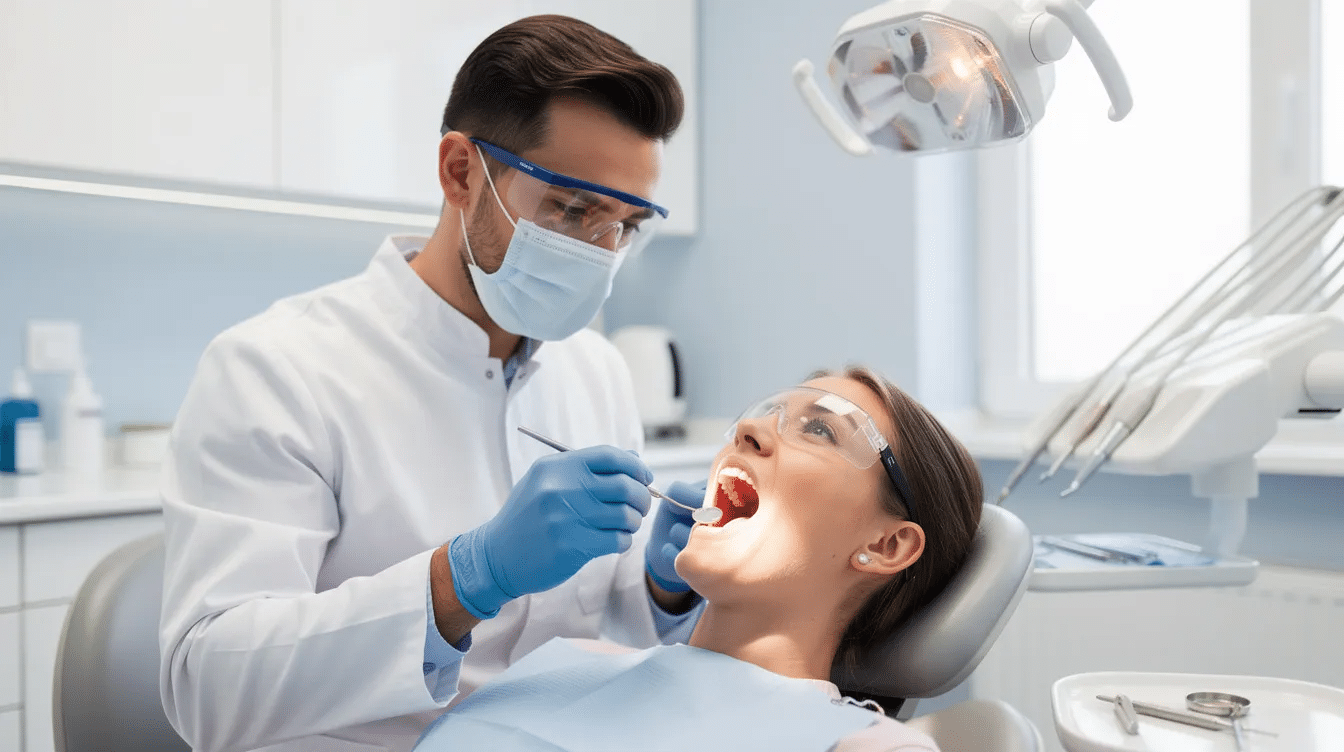
As your gums and bone continue to change shape over time, your dentures may start to feel loose, and you’ll need to get them checked out. Depending on the state they’re in, your dentist may recommend just relining, rebasing, or a full replacement.
Relining might be sufficient if:
- Your dentures have gotten a bit loose and are causing you some minor sore spots
- The denture materials and base are still structurally sound without major cracks or fractures
- The artificial teeth are still in pretty good condition
Relining adjusts the denture to fit your changed gum tissue, and you may need to get them relined every 1 to 2 years to keep them feeling comfortable.
New dentures might be needed if:
- Your dentures are constantly cracking or breaking, and repairs aren’t reliable
- Your artificial teeth are badly worn or stained and are causing you difficulty chewing.
- You keep getting sore spots or your dentures keep slipping, and despite adjustments you’re still having problems.
- Your dentures are more than 8 to 10 years old and have had multiple repairs or relines. Regular dental exams can give you a pretty good idea whether your dentures need some tweaking, a bit of work done on the lining, or outright replacement to get them feeling and functioning as they should.
- If you find yourself putting up with persistent discomfort, bad breath, trouble biting or chewing, or having worries about your dentures sliding about, don’t just put off going to the dentist and hope it gets better. Give your dentist a call instead: they can take a good look at your dentures and give you the lowdown on the best way to sort out any issues and get you back to your normal self, with good oral health and your oral function and quality of life intact.
How to Keep Your Dentures Going Strong
Taking good care of your dentures and adopting a few smart habits can make a huge difference in how long dentures last and how well they look after all these years. Daily care and maintenance are the key to getting the most out of your dentures.
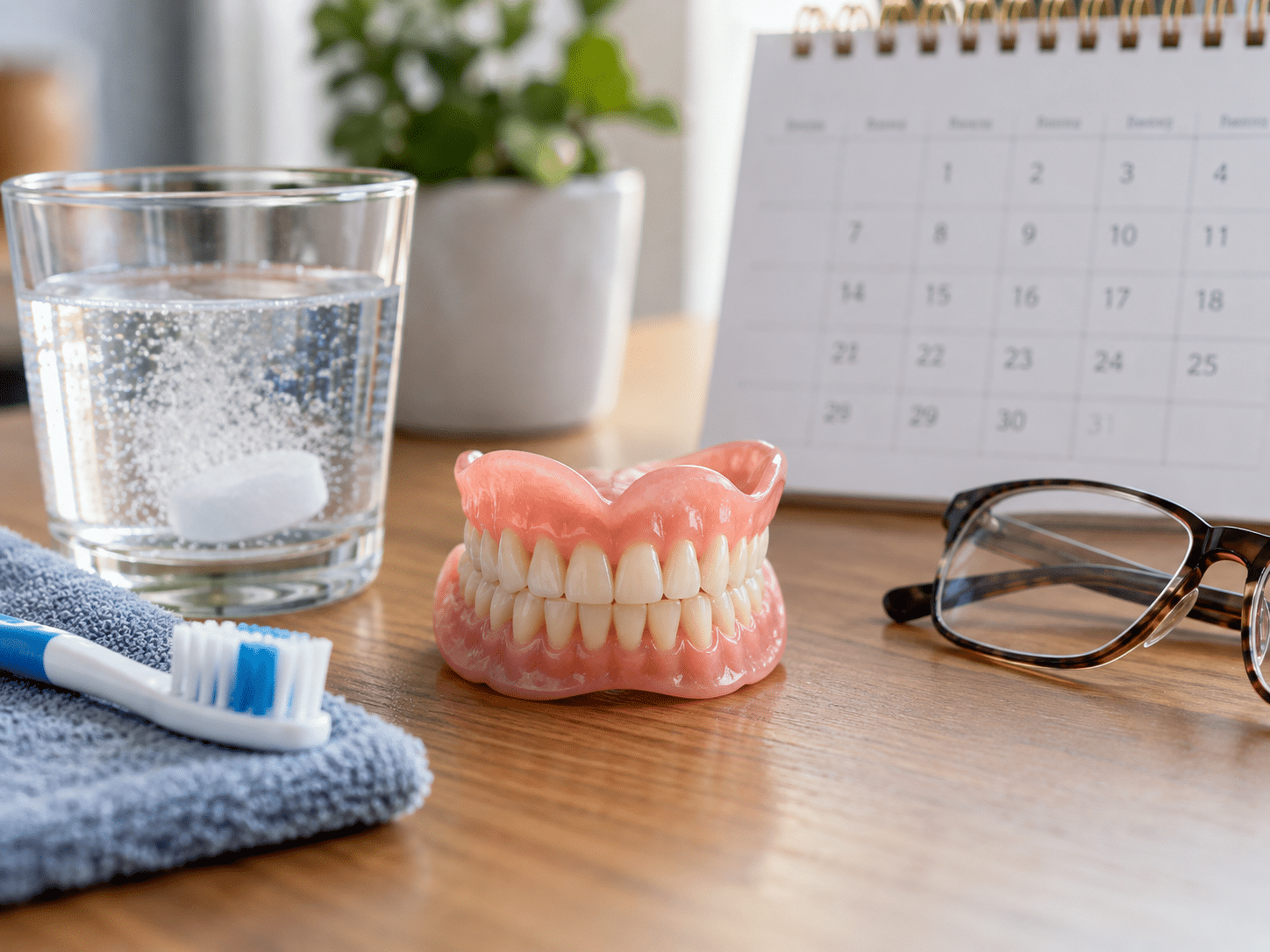
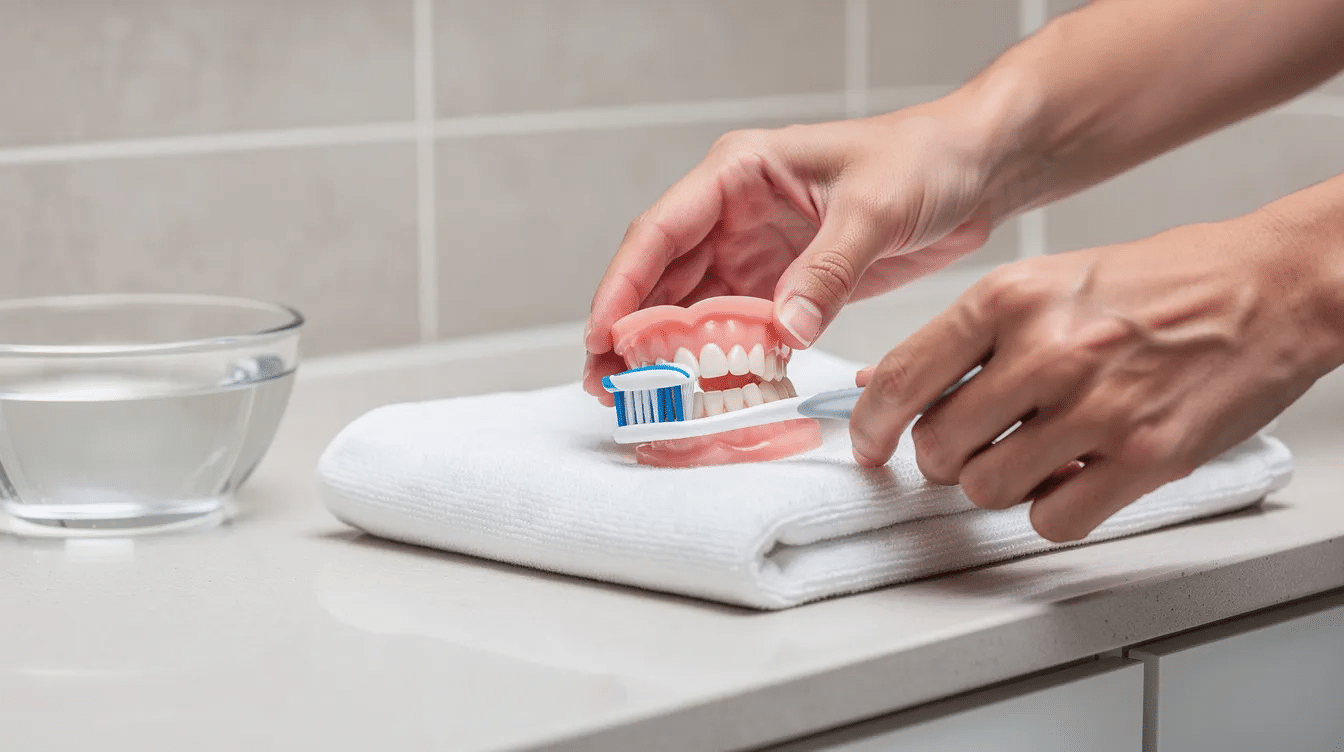
- Daily cleaning: Take out your dentures and give them a gentle scrub with a soft-bristled brush and a non-abrasive cleaner, preferably one that’s been recommended for dentures. Don’t forget to give them a good rinse after meals to get rid of any food bits and plaque that might be hanging around. This will be a fundamental part of your oral hygiene from now on.
- Storing your dentures while you sleep: Soak them in water or a denture cleaning solution that your dentist has recommended; it’ll help prevent them from warping or bending. When you do need to clean them, use cool or lukewarm water, never hot, and definitely don’t use bleach or other harsh chemicals on the acrylic or metal bits.
- Looking after your gums & mouth: Make sure you brush your gums, tongue, and any remaining teeth (if you’ve got some left) every day; it’s essential for keeping the area healthy and preventing infections. Healthy gums are also key to getting a more stable fit.
- Protecting your dentures: Lay off the ice and hard candy; they can do a number on your dentures, and the same goes for super sticky foods. Clean them over a towel or in a basin of water, just in case you do accidentally drop them.
- Seeing your dentist regularly: Make sure you get in to see your dentist every now and then, at least every 6-12 months for a checkup, and get your dentures cleaned and adjusted by a dental professional so they fit just right. Early detection can prevent all sorts of problems and get you the most out of your dentures.
Dentures, Dental Implants, and Implant-Supported Dentures
For some people, dental implants are the way to go; they can provide a lot more stability and help dentures last longer.
Dental implants are basically artificial tooth roots that are made from titanium and are placed in the jawbone. They can last for many years if you take good care of them and get regular checkups. And if you opt for implant-supported dentures, they’re clipped or screwed onto a few implants, making them far more secure than traditional dentures. The prosthetic bits on implant-supported dentures normally last around 10-15 years, although the implants themselves can last a lot longer.
Compared to regular dentures, which tend to have a lifespan of around 7-10 years, implant-supported options can add years to your dentures’ lifespan and help slow down bone loss, so they stay in place a lot better over time. If you’re fed up with your dentures coming loose all the time, needing to use loads of adhesive, or having to get them relined all the time, then implants might be worth a look, but you’ll need to talk to your dentist to see if they’re a viable option for you.