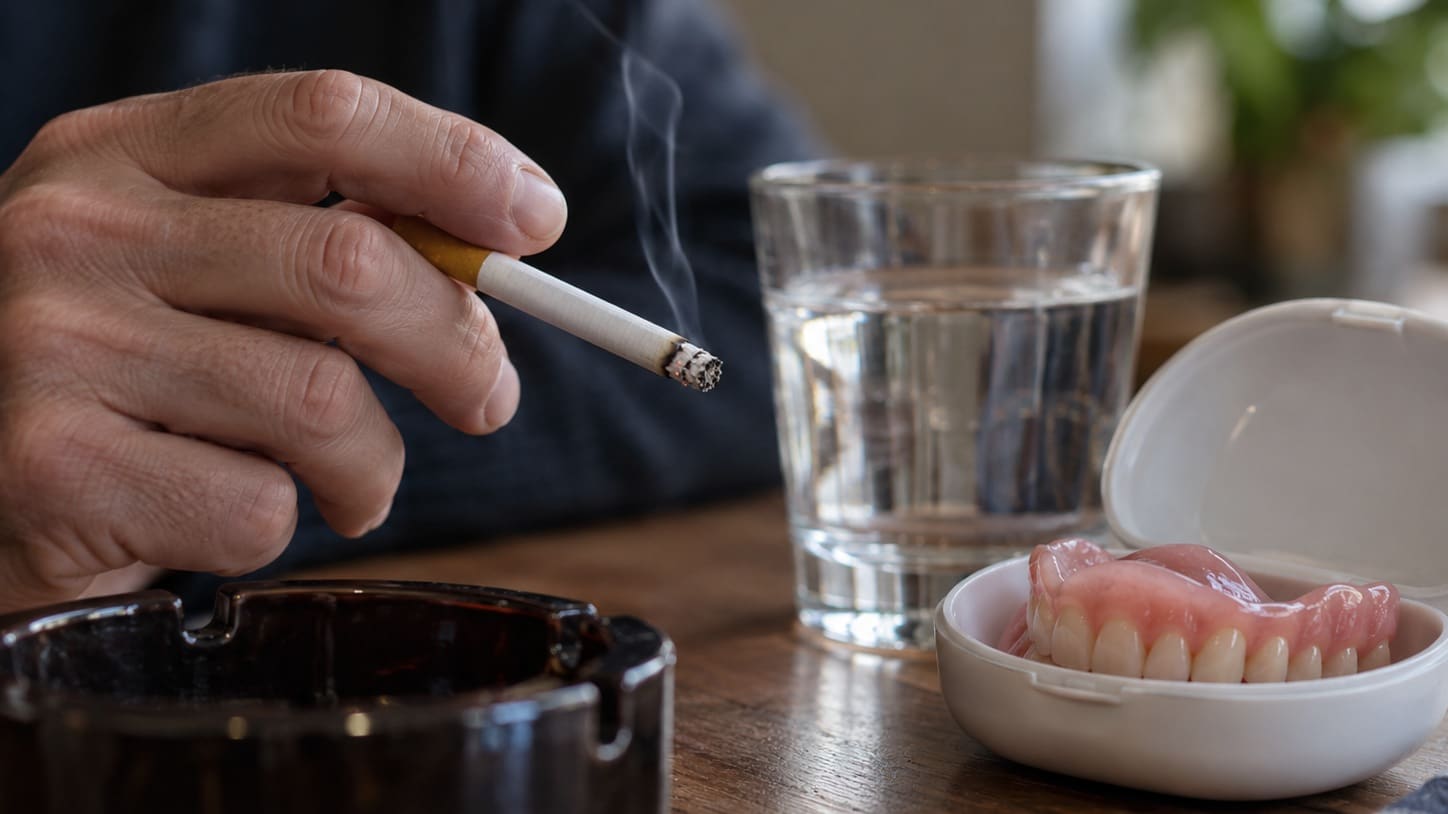
Getting new dentures right away after a tooth is pulled is a big step toward getting your smile back and feeling more confident. But if you smoke, the few days or weeks after your surgery could have some major risks that can turn what should be a pretty smooth recovery into a bit of a nightmare. Here’s what the experts think about smoking after immediate dentures and the best approach for you as a patient.
What’s the deal with Immediate Dentures & Smoking?
An immediate denture is a tooth replacement that’s made ahead of time and put in the same day your teeth are pulled. Usually, your dentist will take impressions and measurements a week or two before the surgery so the denture is ready to go as soon as the old teeth are out.
But here’s the thing: in the first few weeks after the surgery, your jaw and gums are going to go through some big changes. And if you’re smoking, it’s a bad combination. The denture sits right over the places where the teeth were pulled, so anything that gets in the way of healing, like the chemicals in tobacco, is going to make the denture uncomfortable and maybe even make it not fit right.
These dentures are often just a stepping stone to more permanent solutions like regular dentures or implants. So taking care of your healing process now can really set you up for success with whatever you end up doing down the road.
Can You Smoke After Denture Surgery? (The First Week or So)
No. You shouldn’t be smoking at all for at least 3 days after the surgery. That’s because the first 3 days are so critical for your blood clots forming in the empty tooth sockets.
- Those clots form in the first 24 hours. Smoking can suck them loose and leave you with a dry socket, which is a real pain, literally. You’ll have exposed bone, and your healing will be way off track.
- Even just one cigarette after the surgery can give you more pain, some bleeding under the denture, and a much slower recovery.
- Most dentists will tell you not to smoke at all for at least 3 days after a tooth is pulled to allow you to recover properly.
Don’t even think about smoking again for three days; there just isn’t a shortcut.
How Smoking Hurts Your Healing in the First Few Weeks
The places where your teeth were pulled need a few weeks to close up under your denture. But smoking gets in the way of that whole process.
Smoking reduces the flow in your blood vessels, which means your gums and bone don’t get the oxygen and nutrients they need to heal. And it makes you more likely to get an infection. Research shows smokers are 3 times more likely to get a dry socket than non-smokers.
- The inflammation that comes with smoking just makes sore spots a lot more likely, where the denture rubs on all the tender areas.
- And you’d be surprised how much smoking can prolong your pain and discomfort after your denture healing.
- Some dentists will tell you to either quit or cut way back on smoking for 3 or 4 weeks after a tooth is pulled, just to make sure your healing goes smoothly.
Long-Term Effects: Gum Disease & Bone Loss, Denture Fit, and Feeling Like Garbage
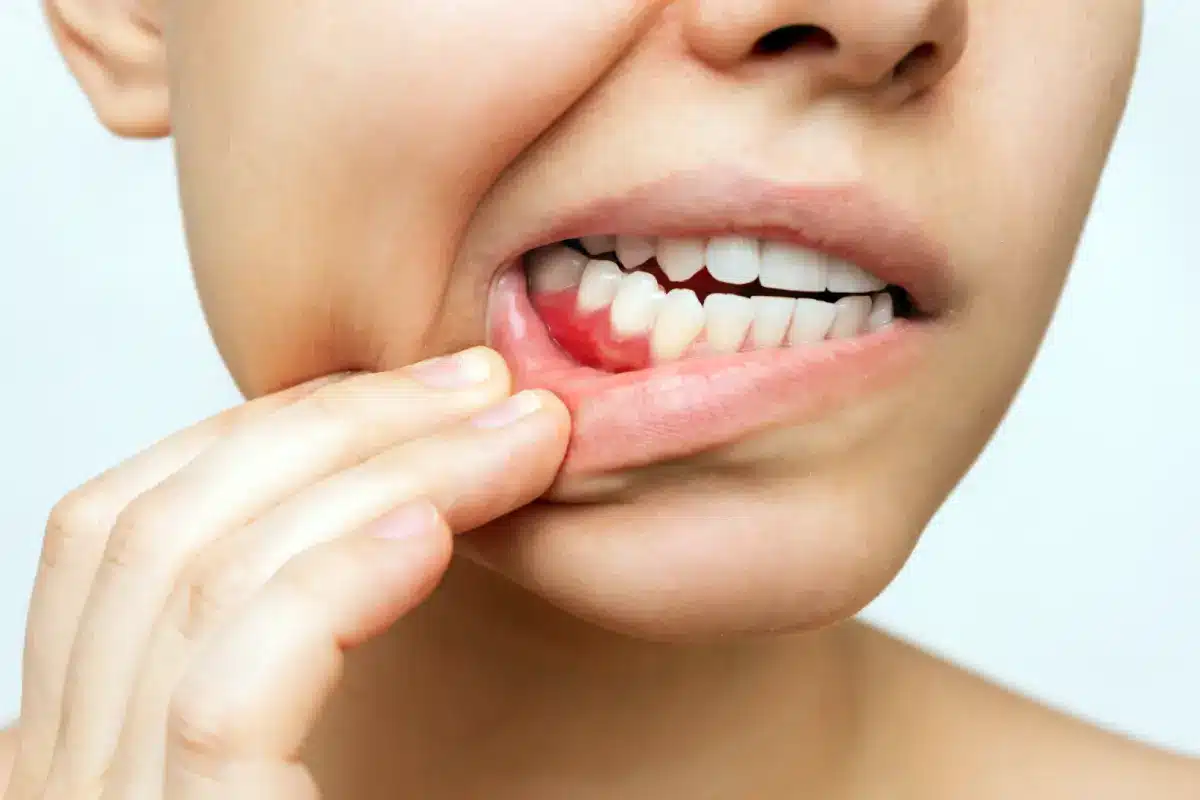
Even after the first month, if you keep smoking, you’ll see some pretty serious damage. Your jaw just starts losing bone over time, and that makes the denture fit less and less well.
- So the denture becomes loose and uncomfortable, and your gums and bone aren’t healthy enough to hold it in place.
- Smoking during the recovery time also puts you in dire straits for gum recession/gum disease.
- Smoking just makes it harder for your jaw to absorb calcium, so it’s always on the thin side.
- And if you keep smoking, you can just expect a constant cycle of sore spots and discomfort with your denture.
But if you can quit smoking, bone loss slows way down and your overall gum health increases. That’s good news for your denture.
Smoking, Bad Breath, Stains, and Infection Risks with Dentures
Smoking changes your life with dentures in ways you probably didn’t anticipate.
- Acrylic dentures absorb all that yucky stuff in your smoke and get all stinky. You’ll get bad breath and an unpleasant taste in your mouth, even if you brush like crazy.
- Your dentures will get all stained and brown from the tar in your smoke, and that’s just hard to get out.
- And smoking affects your immune system as well, making it way more likely that you’ll get an infection under your denture, like denture stomatitis, which is just a mess.
- Staying clean and hydrated is super important if you wear dentures and smoke.
Smoking, Oral Cancer, and Future Dental Implants
The risks of smoking with dentures go way beyond just being uncomfortable or painful. Tobacco use is linked to a whopping 90% of all cases of oral cancer. Smoking makes you significantly more likely to get oral cancer, especially when you’re also dealing with the constant irritation that comes with ill-fitting dentures. Keep an eye out for persistent sore spots, white or red patches, and non-healing ulcers under your denture; these can be early warning signs that your dentist will be able to spot if you get them checked right away.
If you’re a smoker but are thinking of restoring your smile, the habit can make future plans for getting dental implants a lot more complicated. Smoking just makes the gum and bone loss even worse, which makes your jawbone less suitable for supporting an implant down the line. And to make matters worse, smokers are two to three times more likely to have implant failures, and their bone grafts at the implant site have lower success rates. On the other hand, if you stop smoking before planning on getting implants, it can make a huge difference in how well they turn out.
Smoking After Your Dentures & Why It Is Best To Quit Smoking
There is no such thing as a completely safe time to smoke after surgery, but the longer you can go without smoking, the lower your risk of complications.
- The minimum: Try to avoid smoking for at least 3 whole days; that’s the bare minimum.
- Better yet: Aim to make it 3 or 4 weeks before getting back to smoking; that gives you a much better chance of healing properly.
- The best: Quit for good; now is as good a time as any to stop; your body will thank you. The American Dental Association does recommend that smokers kick the habit.
If quitting cold turkey just isn’t an option for you, even cutting down on the number of cigarettes you smoke in a day can make a difference. And talking to your dentist or doctor about nicotine replacement therapy is a great idea; patches, lozenges, and gum can help you quit without exposing yourself to all the risks of smoking. And most dental professionals think that NRT is the better option for your long-term oral health.
Getting dental implants can be a great motivator to quit smoking for good; not only does it protect your current healing, but it also protects your long-term oral health.
Caring for Your Immediate Dentures While You Heal (Especially If You Smoke)
Taking care of your dentures while you’re healing is super important, but it’s even more crucial if you’re a smoker. Here are some practical tips to increase your dentures’ lifespan.
- You should usually leave your denture in for the first 24 hours, unless your dentist tells you otherwise.
- When you do take it out, brush it gently with a soft brush, rinse after meals, and soak it in a recommended denture solution overnight.
- When you’re cleaning your gums around the tooth extraction site, make sure to use a soft brush or some gauze, and avoid rinsing too vigorously; your dentist will say when it’s okay to start doing that.
- For the first few days, try to take it easy and avoid doing anything too strenuous; it’ll help significantly reduce the swelling and bleeding.
- Make sure to go to all of your follow-up appointments and regular check-ups, often within 24-48 hours, and again after a week, and then every few months for the next 3-6 months, so your dentist can make any necessary adjustments to the fit as your gums and bone heal.
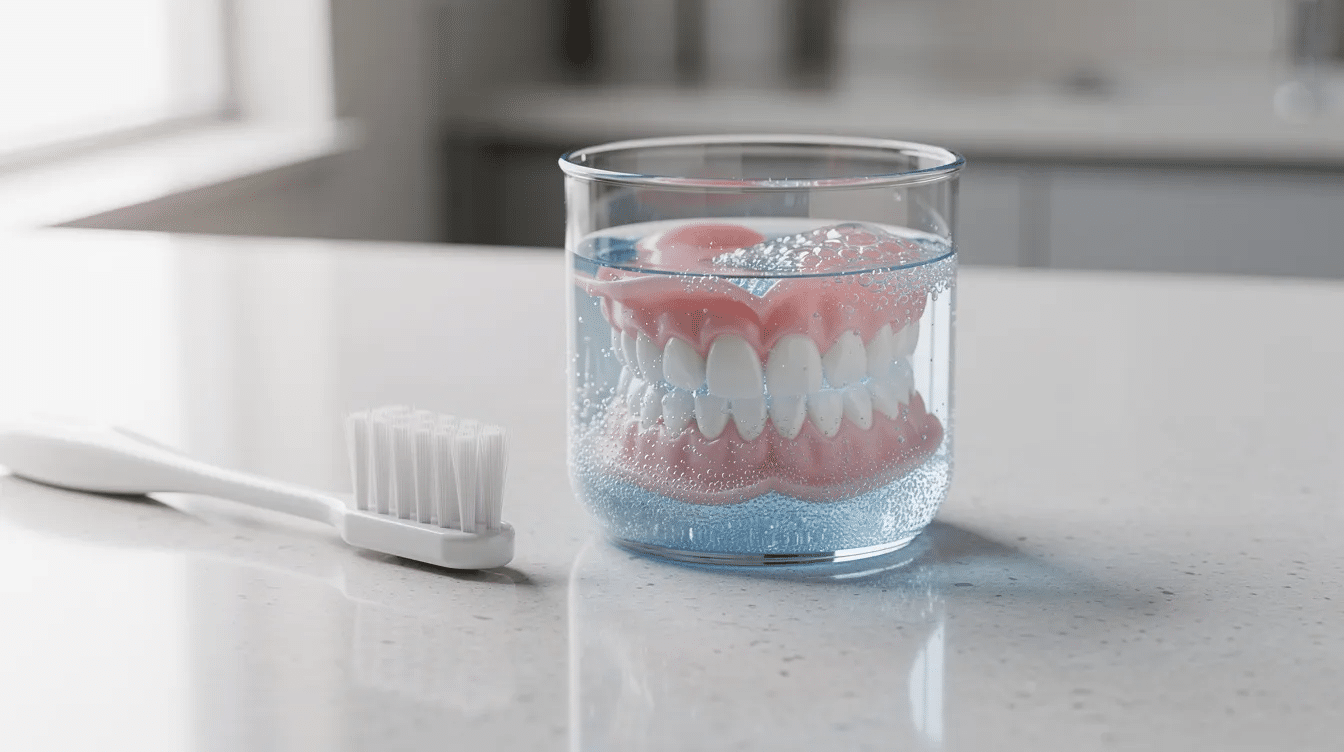
And let’s be real, if you do smoke, you need to be extra diligent with your hygiene, because smoking just makes you more prone to infections.
FAQ
Can I smoke 24 hours after getting my immediate dentures?
No. After 24 hours, extraction sites are still fragile, and smoking can disturb blood clots, increasing the risk of dry socket, bleeding, pain, and infection. Wait at least 72 hours, and longer if possible.
Is vaping safer than cigarettes after immediate dentures?
Not right after extractions. Vaping still creates suction and exposes healing tissues to heat, chemicals, and nicotine, which can slow healing. Treat vaping like smoking and avoid it during the early healing period.
What if I already smoked after my immediate denture appointment?
Watch for worsening pain, bad breath, foul taste, swelling, or exposed bone. These may indicate dry socket or infection. Contact your dentist if symptoms appear and stop smoking to reduce further irritation.
Will smoking always ruin my chance of getting dental implants later?
No, but smoking increases the risk of implant complications and lowers success rates. Quitting or reducing tobacco use before and after implant surgery can improve healing and long-term implant stability.
Does using nicotine patches or gum still affect healing after immediate dentures?
Nicotine may still affect blood flow, but patches, gum, and lozenges avoid the heat and toxins from smoking. They are generally considered safer for healing than smoking or vaping. Ask your dentist or doctor which option is best for you.