
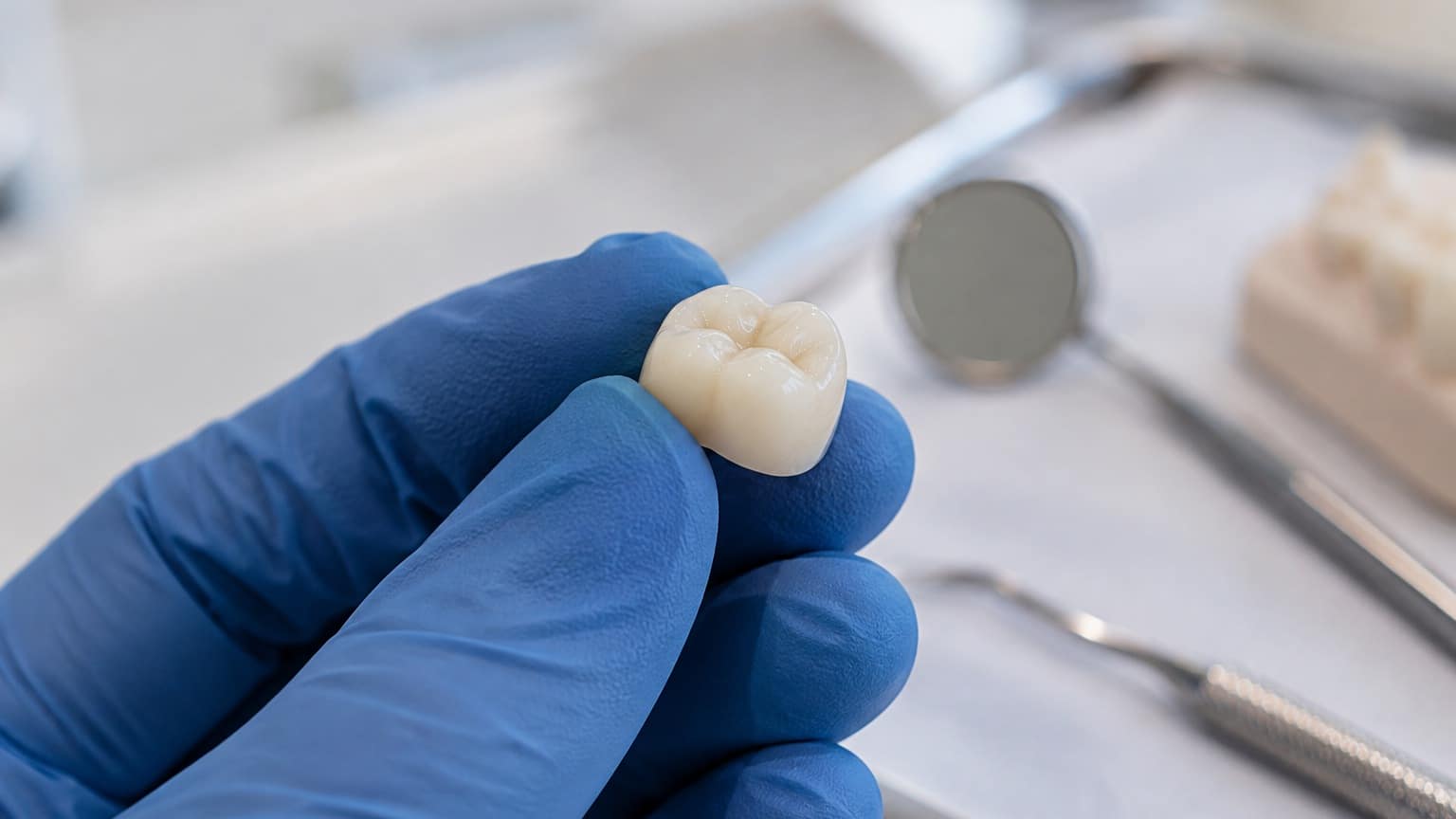
Getting a dental crown is a pretty common dental procedure that involves putting a cap on a tooth that’s been damaged either through decay, injury, or a root canal. If you’re wondering if getting a crown is painful, the short answer is usually no: your dentist numbs the area, so most people feel pressure or mild discomfort during the procedure rather than real pain.
For anyone who needs a crown or is considering one and wants to know what to expect, it helps to understand how the process works and what recovery feels like. Below, we’ll walk through what a dental crown is, what happens over the usual two visits, how much pain or sensitivity you might have during and after treatment, how to care for the tooth afterward, and when ongoing pain means it’s time to call your dentist.
What Even Is a Dental Crown?
A dental crown is essentially a custom-made cap that you put on a tooth that’s been weakened by whatever got it into the state it’s in. Crowns come in really handy to restore a weakened tooth’s shape, strength, and appearance, while adding support where it’s needed and helping protect the tooth next to it. They also do a great job of supporting dental bridges and dental implants, which can improve your smile, preserve natural teeth, and enhance the beauty of your overall look. Crowns can be made from different materials, including ceramic and metal.
In Which Instances is Getting a Dental Crown Necessary?
There are multiple reasons why you could need a dental crown; your dentist may recommend you get one after an examination if there’s major tooth decay that has weakened your teeth severely, if you’ve got a large filling, or if one of your teeth has fractured after an injury. If you’ve gotten a root canal or implant procedure done recently, those could also be reasons for you to get a crown. Overall, it depends on how good your oral health is and the general state of your teeth.
Dental Crown Materials: What Difference Do They Make?
Dental Crowns can be made from a variety of materials: gold, porcelain, zirconia, and metal-fused porcelain. The patient gets to choose which option is the best for them depending on their goals, priorities, and budget.
Here’s a quick lowdown of each material’s pros and cons.
| Crown Type | Main Advantages | Main Disadvantages | Best For |
| Gold Crown | Extremely durable, rarely chips or breaks, gentle on opposing teeth, can last 20+ years | Metallic appearance, more expensive due to gold content | Back molars where strength matters most |
| Ceramic (Porcelain) Crown | Most natural-looking appearance, excellent color matching, metal-free, highly aesthetic | More prone to chipping than gold, may wear opposing teeth more | Front teeth and highly visible areas |
| Zirconia Crown | Very strong, metal-free, good aesthetics, resistant to fractures, suitable for heavy bite forces | Slightly less natural-looking than layered porcelain, can be difficult to adjust | Back teeth and patients who grind or clench |
| Porcelain-Fused-to-Metal (PFM) Crown | Combines strength of metal with porcelain appearance, long clinical track record | Porcelain can chip, dark metal line may show at the gum over time | Front or back teeth when balancing strength and aesthetics |
The Dental Crown Procedure: Two Visits to the Dentist
Once you’ve gotten a treatment plan from your dentist, getting your crowns will consist of two main steps.
The first time you head in, your dentist will do all the tooth preparation by removing decay and reshaping the tooth before the new cap is placed. They’ll use local anesthesia to numb both the tooth and the surrounding gum, so the procedure should not hurt, and most patients notice only a bit of pressure. Then they’ll take impressions or a digital scan to create a custom crown that fits properly from those records. Finally, they’ll slap a temporary crown on there to keep the tooth safe while the permanent one is being made.
The second visit is when the temporary crown comes off, and the permanent one gets cemented in place. If it’s made by an outside lab, that final visit may be scheduled a few weeks later. During crown placement, your dentist may make minor adjustments during the appointment so your bite feels even. Some office practices also offer a single-visit restoration, but these are not really recommended.
Is Getting a Dental Crown Painful? Dental Crown Pain During the Procedure
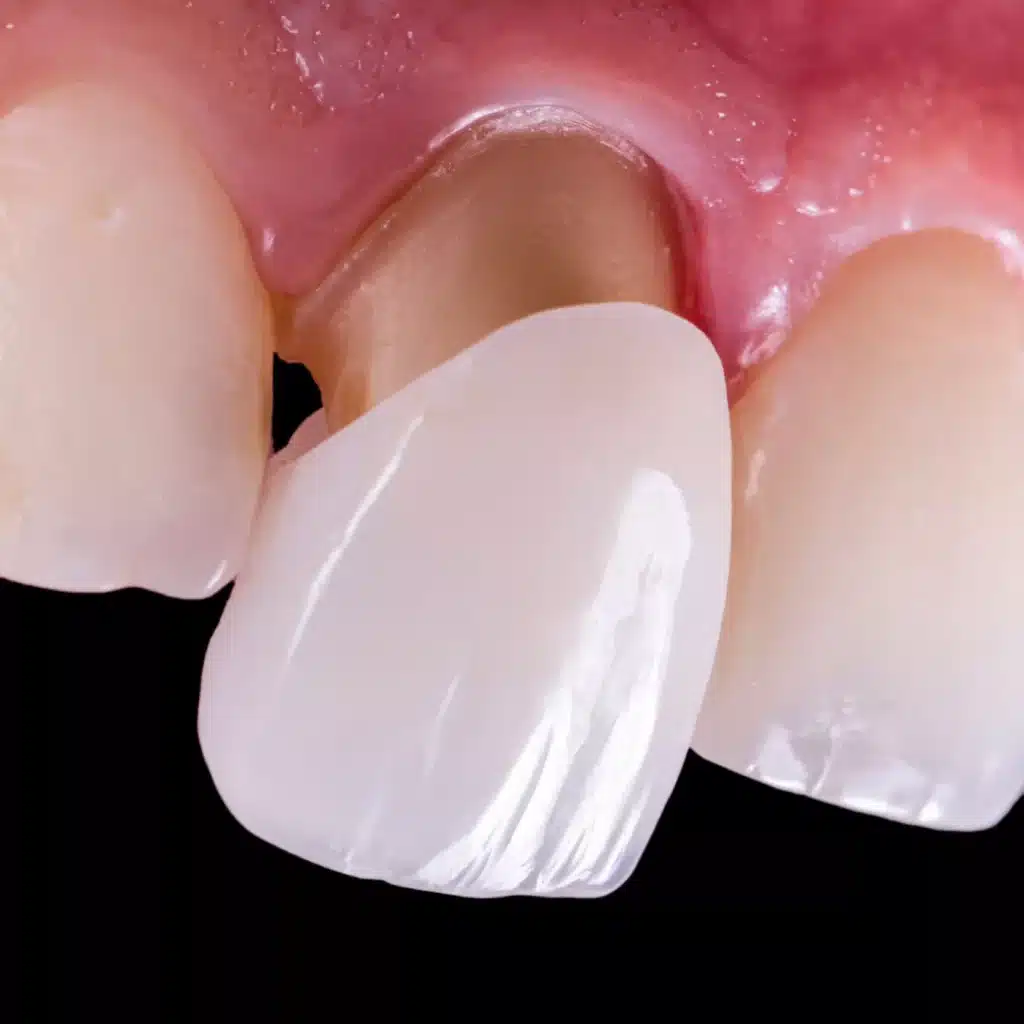
Well, thanks to the local anesthetics, the way dentists are trained, and some gentle techniques, getting a dental crown these days is virtually painless, and many patients feel only minor discomfort or pressure while getting a crown because the tooth is numb.
You might feel a tiny bit of discomfort or pressure, but it’s pretty rare to feel sharp pain, so getting dental crowns is a very comfortable experience nowadays. After the procedure, mild tenderness, gum tenderness, or sensitivity is common and typically managed with over-the-counter medication, and discomfort typically resolves within two to three days, though some sensitivity can last several days.
However, you can still get a bit of gum irritation or soreness around the temporary crown. Temporary crowns can be more sensitive than permanent crowns. If your new dental crowns hurt beyond the usual recovery period, the cause may be tooth pain from a high bite, an infected tooth, or, in some cases, prior trauma.
Post-Temporary Crown Care, Managing Nerve Pain, and Sensitivity
To make sure you stay comfortable after your crown procedure, try to:
- Eat soft, easy-to-chew foods for a bit, which helps during recovery, and avoid hard, crunchy, or sticky foods for the first few days since comfort can vary depending on the tooth.
- Maintaining good oral hygiene is still essential: use a super soft-bristled toothbrush for gentle brushing daily around the crown to lower the risk of irritation and keep bacteria from collecting near the gums; keeping the area clean helps prevent plaque buildup and also reduces irritation on your gums.
- Follow your dentist’s advice and schedule any follow-up appointments if you need a bit of an adjustment and proper care on your bite; a follow-up visit can address uneven pressure or a high bite, ensuring that your crown feels comfortable. This makes all the difference between a smooth recovery and a painful one.
- Take some over-the-counter painkillers as directed, and acetaminophen may also be an option as part of your treatment if you follow the dentist’s instructions; over-the-counter pain relievers can help ease post-procedure discomfort.
- Careful home care also supports long-term oral health and can help crowns last for many years, and gum irritation around the crown is normal and usually subsides quickly.
It is also normal for the jaw to feel sore from holding the mouth open during the procedure, but that usually fades quickly.
When Is It Time to Go to The Dentist: What to Do If Your Dental Crowns Hurt After the Procedure?
If you’re feeling sharp pain, having prolonged soreness, nerve pain, or have other concerns, your dentist should assess any pain that continues past the expected recovery period and maybe give you a bite adjustment. This might be a sign that the crown isn’t fitted quite right, that the bite is off, or that the tooth is infected and needs further treatment.
Untreated bite problems or grinding can put repeated stress on the crown and may lead to a fracture. If you notice swollen gums or bleeding, a crown that traps debris can let bacteria irritate the tissue. Contact your dental clinic or office today so the dentist can address the issue promptly, since patient-focused care leads to better treatment results when pain persists.
Long-Term Benefits of Getting a Permanent Crown
Dental crowns are a brilliant way of restoring damaged teeth, improving chewing, and supporting long-term oral health while helping patients achieve a healthier, confident smile and appearance. With a bit of care and modern dental techniques during your care visits, they’ll last you 10 to 15 years or even longer, which is amazing for all the good they do.
FAQ
Does getting a dental crown hurt?
Getting a dental crown is generally a painless process nowadays thanks to modern dentistry techniques, since dentists use local anesthesia to numb your tooth and the surrounding tissues. You could still feel some pressure or vibration during the tooth preparation, but you shouldn’t feel any sharp pain. If you do feel pain during the procedure, let your dentist know so they can address it.
How long does pain last after getting a dental crown?
Mild soreness, gum tenderness, or tooth sensitivity to hot or cold foods may occur for several days after treatment. The following symptoms after the procedure should gradually improve. However, if the crown discomfort becomes more intense, if it persists without improvement, or interferes with your chewing, you should contact your dentist for an evaluation.
Is it normal for a dental crown to hurt when biting down?
Some initial tenderness can occur, but significant or persistent pain when biting down may indicate that the crown is too high or that the underlying tooth needs further evaluation. Your dentist can check your bite and adjust the crown if necessary.
Why does my tooth hurt after getting a permanent crown?
There could be several causes of pain after getting a permanent crown placement: temporary sensitivity, an uneven bite, inflammation of the tooth’s pulp, or an underlying infection. The cause cannot always be determined from just the symptoms alone, so if you feel persistent or worsening pain, it should be assessed by a dentist.
Can I eat normally after getting a dental crown?
You can usually return to your normal diet as comfort allows, but it is best to choose softer foods while your tooth feels sensitive. If you have a temporary crown, avoid particularly hard, sticky, or chewy foods that could loosen or damage it. Follow your dentist’s specific instructions.
Is getting a crown more painful than getting a filling?
Not necessarily. Both procedures are commonly performed with local anesthesia, and discomfort depends on the extent of the tooth damage and the treatment required. A crown generally involves more extensive tooth preparation than a routine filling, but that does not automatically mean it will be more painful; the dentist will use any means necessary to ensure the patient’s comfort.
Do dental crowns hurt when the anesthesia wears off?
You may notice mild tenderness or sensitivity on your affected tooth or even the surrounding teeth once the anesthesia wears off. This is normal, generally temporary, and it should improve during the following days. Having said that, if you end up experiencing severe pain, worsening symptoms, or swelling, you need a proper dental evaluation from a professional.
When should I call my dentist about crown pain?
You should contact your dentist if you’re experiencing severe or worsening pain, persistent pain when you bite, if you lose or damage your crown, or if you feel sensitivity that does not improve. If you develop facial swelling, fever, or signs of spreading infection, you should get urgent dental care. If you start experiencing difficulty breathing or swallowing, then go to the ER immediately.