
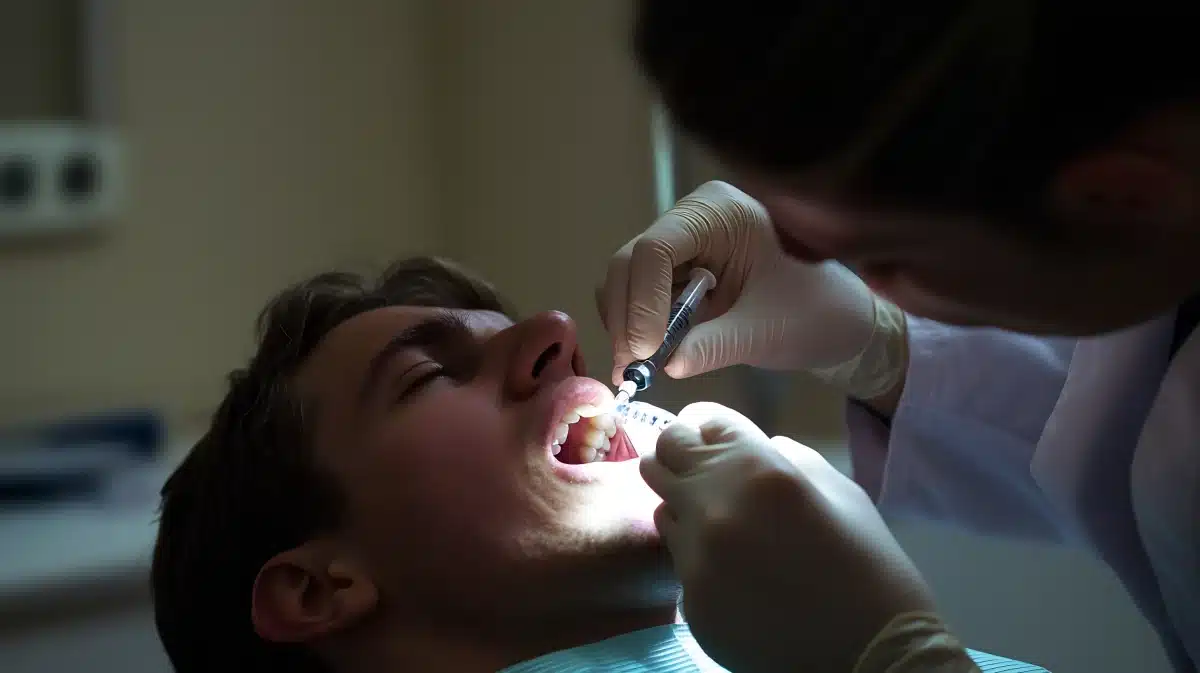
Choosing between a dentist and an oral surgeon can be a real head-scratcher, especially when you’re in significant pain or facing a procedure you’ve never had before. Both play a crucial part in keeping your teeth and gums in top shape, but their levels of training, what kinds of problems they can tackle, and the surgeries they can safely perform are worlds apart. In this guide, we’re breaking down exactly what each one does so you can properly understand the key differences between dentists and oral surgeons and know to which dental professional to turn when necessary.
Both dentists and surgical specialists are all about keeping your oral health on track, but they differ in one key area: training depth, the complexity of cases they see, and the surgical procedures they can handle. Here’s the lowdown:
- Your general dentist is your go-to guy for the regular dental issues: check-ups, fillings, cleanings, and the like. They’re usually the first port of call when you’ve got a dental concern.
- On the other hand, oral surgeons are the specialists who deal with the really tough stuff: impacted teeth, dental implants, correcting a wonky jaw, and dealing with facial trauma. It’s complex, serious work that only they’re trained for.
- If you need some advanced surgical techniques or deeper anesthesia options, your dentist will usually send you to see an oral surgeon.
- Knowing the difference between a dentist and an oral surgeon means you can make safer, more informed decisions about where to get help.

So, What’s the Key Difference Between Dentist and Oral Surgeon?
The word “dentist” can be a bit misleading because it covers a wide range of experts in the dental profession, from your regular family doc to the super-specialized oral surgeons. A general dentist typically is the one who’ll see you for most of the routine stuff: check-ups, diagnoses, cleanings, fillings, crowns, straightforward root canals, and basic cosmetic work. Their focus is on keeping your teeth and gums healthy for the long haul and preventing problems from developing.
An oral surgeon, on the other hand, is a highly trained surgeon who specializes in doing the heavy lifting on complex tooth procedures, jaws, facial bones, and the soft tissues around them. Every oral surgeon begins as a dentist, but not every dentist is a surgeon.
Both dentists and oral surgeons are key players on your oral health team, and both dentists and oral surgeons can diagnose oral pathology, but who treats it depends on the condition. General dentists focus on routine care while maxillofacial surgeons step in for the complex surgeries that need really advanced training, top-notch equipment, or deeper anesthesia.
So, to keep things short:
- Surgery DDS or Doctor: Refers to oral and maxillofacial surgeons who complete additional hospital‑based residency training (4–6 years) beyond dental school. They specialize in complex surgical procedures involving teeth, jaws, and facial structures, and are trained in anesthesia and advanced surgical techniques.
- Doctor of Dental Surgery (DDS): A professional degree awarded after completing dental school. Holders are qualified as general dentists, focusing on routine care such as exams, cleanings, fillings, crowns, and basic oral procedures.
- Doctor of Dental Medicine (DMD): Equivalent to the DDS degree, differing only in title depending on the dental school. DMD graduates are also general dentists, trained in preventive care, diagnosis, and standard dental treatments.
What’s the Education and Training Like for Each?
Dentists and oral surgeons start with the same basic dental medicine training, and both of them possess a dental medicine bachelor’s degree, but oral surgeons then go on to do some seriously heavy-duty training after completing dental school that sets them apart.
The general dentist route:
- You’ll need a degree in the sciences (often biology or a related subject)
- Four years of dental school to earn a DDS or DMD (both are essentially the same thing)
- Pass your state or regional exam to get your license
The oral surgeon route:
After dental school, an oral surgeon does another 4-6 years of a residency program, usually in a hospital setting. This is what sets oral surgeons apart from regular dentists; they learn all about advanced facial anatomy, managing impacted teeth, doing orthognathic surgery, and mastering IV sedation and general anesthesia in order to be able to perform surgery. That’s a whole lot of extra training; we’re talking a decade of post-college education here.
There are about 202,485 active dentists in the US, but only about 6,100 oral and maxillofacial surgeons; that tells you just how specialized this path is.

Preventive Care and Common Procedures: The Day-to-Day for a General Dentist
Think of your general dentist as your family doctor for your mouth. They’re the ones handling the routine stuff like check-ups, fillings, cleanings, and X-rays. They’re all about prevention and early treatment, rather than major dental surgery.
Their main services include:
- Routine exams and cleanings to keep your teeth and gums in top shape
- Fillings, crowns, bridges and root canals on single-rooted teeth, but they won’t tackle anything too complicated
- Preventive care like fluoride treatments, sealants and screening for cavities, gum disease and oral cancer
- Basic cosmetic work like whitening and veneers
Dentists use local anesthesia for simple procedures and can perform simple tooth extractions when the tooth is visible and accessible. They’ll also handle placing dental implants when the bone quality is good. But if imaging reveals an impacted wisdom tooth or some other complex problem, they’ll refer you to an oral surgeon rather than trying to handle it on their own. Dentists handle simple extractions while oral surgeons deal with the tough stuff.
Complex Dental Implants, Impacted Teeth: The Scope of Maxillofacial and Oral Surgery
Oral and maxillofacial surgeons are the top dogs in the dental world when it comes to tackling problems with the mouth, jaws, face, and neck. These dental specialists have a broad scope of practice, covering everything from tackling complex procedures, chronic disease, injuries, and plastic surgery on structural defects of the mouth and jaws, as well as the surrounding facial area and neck.
To put it bluntly, oral surgeons are experts in performing some pretty complicated procedures in the mouth and jaw region. At the core of their work are procedures such as removing wisdom teeth, especially those pesky third molars that are stuck in there pretty deep, as well as extracting teeth that are getting on the nerves or sinuses. And let’s not forget managing severe infections that are threatening to take out surrounding teeth and tissue. Impacted wisdom teeth removal is a top reason why patients choose to see an oral surgeon, and doing so requires a whole lot of advanced skills that these guys gain through years of surgical residency training.
Many times, patients are sent by an orthodontist who spots when some sort of surgical intervention is needed to get things aligned properly and sorted for long-term oral health.
Beyond complex tooth extractions, oral surgeons do some real heavy lifting in the surgical department. They fix bite disorders, sort out sleep apnea that’s related to jaw position, and even correct jaw asymmetries that are just plain noticeable. They help people repair facial trauma by doing reconstructive surgery, fix fractured jaws and cheekbones from facial injuries, remove benign growths and cysts, do biopsies to check for oral cancer, and even correct cleft lip and palate for those born with the condition. And let’s not forget they also do corrective jaw surgeries and facial reconstructions, as well as tackle TMJ disorders that just won’t get better with conservative treatment.
Now dental implants are another one of those things that requires surgical placement by an oral surgeon, especially when previous tooth loss has taken its toll and left some significant bone loss. That’s where bone grafting, sinus lifts, and ridge augmentation come in, procedures that are often done by oral surgeons before implant placement to make sure everything is just right for that precise placement in cases where anatomy makes these procedures a real high-risk proposition. And of course, severe periodontal disease may also require going under the knife by a surgeon when non-surgical treatment just can’t stop its march.
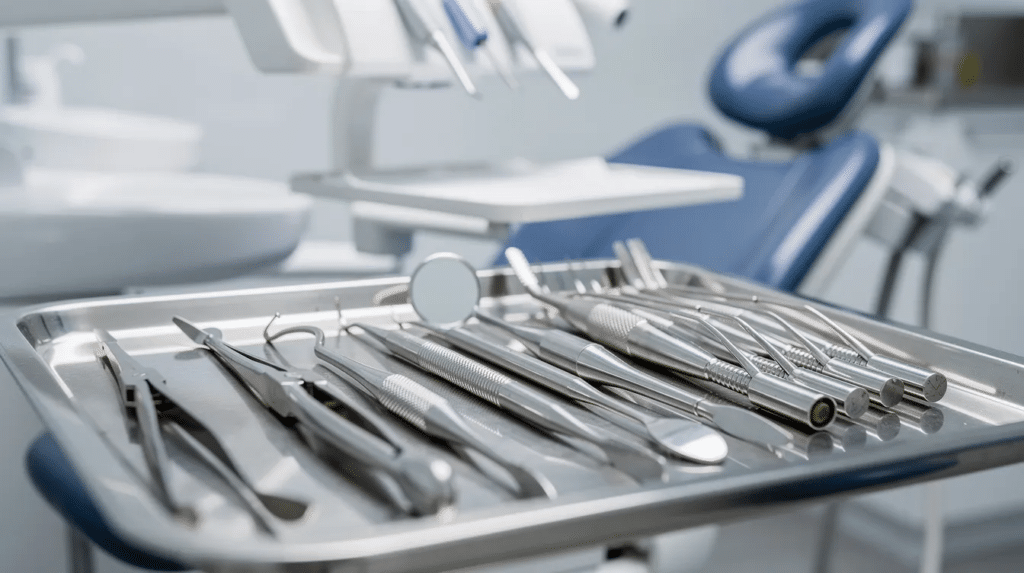
Advanced Surgical Techniques and Anesthesia: Why Surgeons Are the Best for Complex Cases like
There are a few key reasons why oral surgeons stand out from the crowd, and it’s not just that they are willing to do surgery. It’s the fact that they’ve got the specialized training in all the modern, advanced surgical techniques that are designed to make things safer, more precise, and get patients recovered a whole lot faster.
Advanced Technology like 3D imaging (CBCT scans) and computer-guided surgical planning make it so that dental implants and complicated corrective jaw surgery can get done with a whole lot less risk of nerve damage and sinus complications. Minimally invasive techniques like smaller incisions, piezoelectric instruments for bone cutting, and micro-surgical techniques all help to preserve healthy tissue and get patients back on their feet even faster. And let’s not forget that oral surgeons are trained to administer sedation and general anesthesia to ensure patients’ comfort, something that your dentist might not be able to do.
When to See a Dentist vs. When to See an Oral Surgeon
While most concerns can start with a general dentist, they’ll figure out whether a referral to an oral surgeon is needed, based on your treatment needs.
Routine checkups, mild tooth sensitivity, small to moderate cavities, early gum disease, simple tooth extractions, chipped fillings and cosmetic questions: all that and more with your general dentist.
But if you’ve got impacted wisdom teeth stuck in bone or growing sideways, teeth close to nerves or sinuses, or you’ve got repeated infections around the same tooth, that’s usually the time to set up an appointment with an oral surgeon.
In a lot of cases, you can see an oral surgeon directly for wisdom teeth consultations or implant evaluations, but working with a general dentist is still the best way to get comprehensive, long-term dental health.
How Dentists and Oral Surgeons Work Together
The bottom line is that optimal oral health is all about teamwork between a general dentist and an oral surgeon. Dentists send patients to oral surgeons when they’ve got conditions that are way beyond routine general dentistry.
Here’s how it works: your dentist sends over the records and imaging, the oral surgeon takes a look and recommends a surgical treatment plan, and then sends a follow-up report after the procedure. For dental implants, both providers work together: the oral surgeon takes care of the implant placement and any bone grafting, and the dentist designs and places the final crown and helps keep the implant healthy over time.
This is the way most people get their dental care. Clear communication between dentists and oral surgeons is what keeps patients safe and gets them the best possible outcomes.
Making an Informed Choice About Your Care
Knowing the key differences between a dentist and an oral surgeon allows patients to identify the appropriate level of expertise for treatment. Starting with a dental exam helps determine whether the case is a simple cosmetic issue or a complex situation requiring surgical intervention. In certain cases, consultation with an oral surgery specialist may improve safety and outcomes. Important factors include prior experience with similar cases, sedation options, and access to advanced diagnostic tools such as 3D imaging.
Preventive care and routine visits to a general dentist reduce the likelihood of emergencies. However, when patients experience significant pain, collaboration with oral surgeons becomes critical. In urgent scenarios, oral surgeons may coordinate with emergency medicine specialists to provide immediate intervention, ensuring both timely relief and long‑term oral health management.
Frequently Asked Questions
Can I get my wisdom teeth removed by my general dentist, or do I need an oral surgeon?
The truth is, many general dentists are happy to pop out a fully erupted wisdom tooth with straightforward roots that aren’t anywhere near nerves or sinuses. But impacted wisdom teeth, that’s a different story altogether. If yours are buried in bone, growing sideways, or just plain near some major nerves, then go with the oral surgeon. They’ve got the advanced surgical techniques and anesthesia training that’ll make it all go smoothly. Ask your dentist what you’re in for and whether they think sending you to an oral surgeon would lower your risk of complications.
Is it going to cost an arm and a leg to see an oral surgeon compared to a dentist?
The answer here is, more complex surgeries are just plain more expensive. And perhaps an oral surgeon will recommend some additional tests or procedures that’ll push the total bill up. Some insurance plans do have different benefits for general dentistry vs oral surgery, though, so double-check what you’re covered for and how much it’s going to cost before making the decision.
Do I have to get a referral from my dentist to see an oral surgeon?
Well, referrals are pretty common, but you don’t always need one. Many oral surgeons are happy to see patients who are in a bit of a pickle (painful wisdom teeth, a missing tooth that needs a dental implant, etc). However, check with your insurance first and see if they need a referral to pay for it. Even if you don’t have a referral, it’s always a good idea to keep your general dentist in the loop, so they can keep an eye on your long-term dental health.
Can an oral surgeon be my regular dentist?
The answer’s a pretty clear no; they don’t do regular preventative care (check-ups, cleanings, fillings, etc). That’s what your general dentist is for. Oral surgeons are in it for the big stuff, like complex extractions, jaw surgery, and facial reconstructions. It’s better to keep them focused on what they do best, and leave the routine stuff to your general dentist.