TL;DR
- Red light therapy offers a super effective, non-invasive treatment for people who experience chronic jaw pain that can often seriously cut back TMJ pain, inflammation, and discomfort without needing any pain medications.
- At the heart of this treatment are specific wavelengths of red light and near infrared light that get mitochondrial activity going, boost cellular activity, blood flow, oxygen delivery, and healing around the jaw joint.
- Many of the patients who’ve tried it experience a big reduction in TMJ pain after just a few regular sessions, though it’s usually several weeks before you’re seeing the best results and lasting relief kicks in.
- Red light therapy is a needle-free alternative that comes with minimal side effects, and lots of people use it as a supplement to other TMJ treatments like splints, stress management, and physical therapy.
- Severe TMJ pain, major bite issues, lockjaw, or any underlying medical conditions definitely require a diagnosis from a professional before starting any TMJ treatment.
What Is Red Light Therapy?
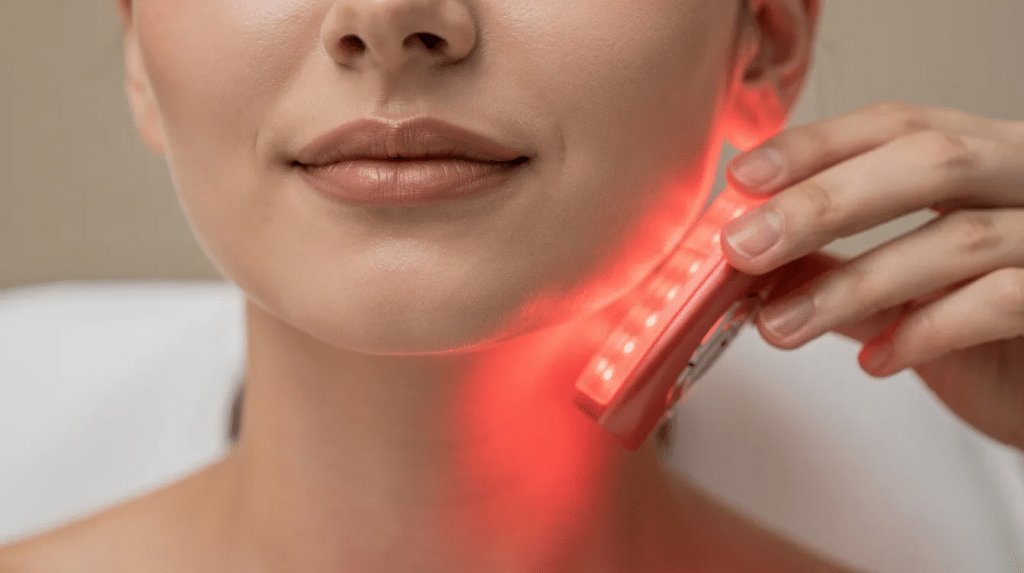
Red light therapy, also known as low-level laser therapy or photobiomodulation, uses low-level red or near-infrared light at specific wavelengths (usually around 630-680nm and 800-900 nm) to give tissues a helping hand with healing.
Unlike those super-powerful surgical lasers, this light therapy is non-invasive, totally pain-free, and usually delivered through LEDs or low-level lasers. The light penetrates all the way through to the muscles and skin without burning, and that helps boost ATP energy production, local circulation, and tissue repair. Scientists started looking into using light for wound healing and pain relief way back in the 1960s, and it’s now used in all sorts of medical fields, from dentistry to sports medicine to physical therapy.
Understanding TMJ Disorders and TMJ Pain
A TMJ disorder is basically anything that affects the temporomandibular joints, which are the jaw joints in front of each ear. These joints work like a sliding hinge to let you open your mouth, chew, and speak.
You might experience TMJ symptoms like jaw pain, swelling, inflammation, clicking, difficulty chewing, headaches, ear fullness, neck tension, facial tenderness, and lockjaw. TMJ dysfunction is often caused by muscle tension, clenching or grinding your teeth, injury, arthritis, or joint problems. TMJ pain can range from mild to severe, and people who experience this type of discomfort often develop a cycle of pain and tension, where tight jaw muscles continue to irritate the surrounding tissues. This is one reason why some treatment approaches focus on reducing inflammation and relaxing overworked muscles. For example, red light therapy addresses some of the factors associated with TMJ discomfort by targeting inflammation and supporting muscle recovery, although it does not treat every underlying cause of a TMJ disorder.
How Red Light Therapy Helps Treat TMJ
Red light therapy for TMJ targets the root causes of jaw pain, that is, inflammation, muscle tension, and poor healing. Instead of just masking symptoms with pain meds like a lot of other treatments do, red light therapy actually helps get to the bottom of the problem.
Red and near infrared light reach the jaw muscles, joint capsule, ligaments, and damaged tissues in the jaw. They stimulate the production of energy in cells, boost oxygen delivery, and kick-start healing all in one go. This means faster recovery from jaw injuries and less pain, less stiffness, and generally just easier jaw movement.
One clinical trial in 2020 found that red light therapy brought pain down from 4.59 to 0.63 and improved mouth opening from 36.7mm to 42.1mm after treatment with 635nm laser therapy.
The Core Benefits of Red Light Therapy for TMJ Relief
Red light therapy has all sorts of benefits for people looking for TMJ relief, including reducing chronic pain, calming inflammation, relaxing muscles, and supporting long-term healing.
Reduces Inflammation Around the Jaw Joint
A lot of the time, TMJ disorders involve irritated tissues, swelling, and tenderness around the temporomandibular joints. Red light and near infrared light can help improve blood flow and reduce inflammatory signals, making the area feel calmer and more comfortable. Many patients notice a big difference after just a few sessions, less morning stiffness, less soreness after talking, and less tenderness when touching the jaw.
Offers a Drug-Free Option for TMJ Pain Relief
Red light therapy for TMJ pain gives people a way to get relief without relying on meds. By reducing inflammation and spasm, it can help ease jaw pain, ear-area aching, and TMJ-related headaches. Just think about it, you can chat on the phone or work at a desk for hours without escalating your chronic jaw pain.
Relaxes Jaw Muscles and Improves Mobility
Clenching your jaw can put a strain on the masseter and temporalis muscles, causing tightness in the temples and neck. Red light therapy helps relax muscles at the cellular level, boosts circulation, and generally helps with jaw function. Regular sessions can improve jaw mobility and reduce clicking sounds, especially when you combine them with gentle stretching or physical therapy.
Supports Tissue Repair for Long-Lasting Relief
Over and over again, repeated strain can damage the cartilage, ligaments, and surrounding tissues in the jaw. Red light therapy helps tissue heal in damaged areas and may even boost collagen activity, which helps get to the root cause of TMJ pain. The best results usually come from combining red light therapy with posture work, bite appliances, stress management, restorative sleep, and better sleep habits that help protect overall health.
What to Expect During Red Light Therapy for TMJ
Sessions for Red Light Therapy are Quick, Comfortable, and Anesthesia-Free
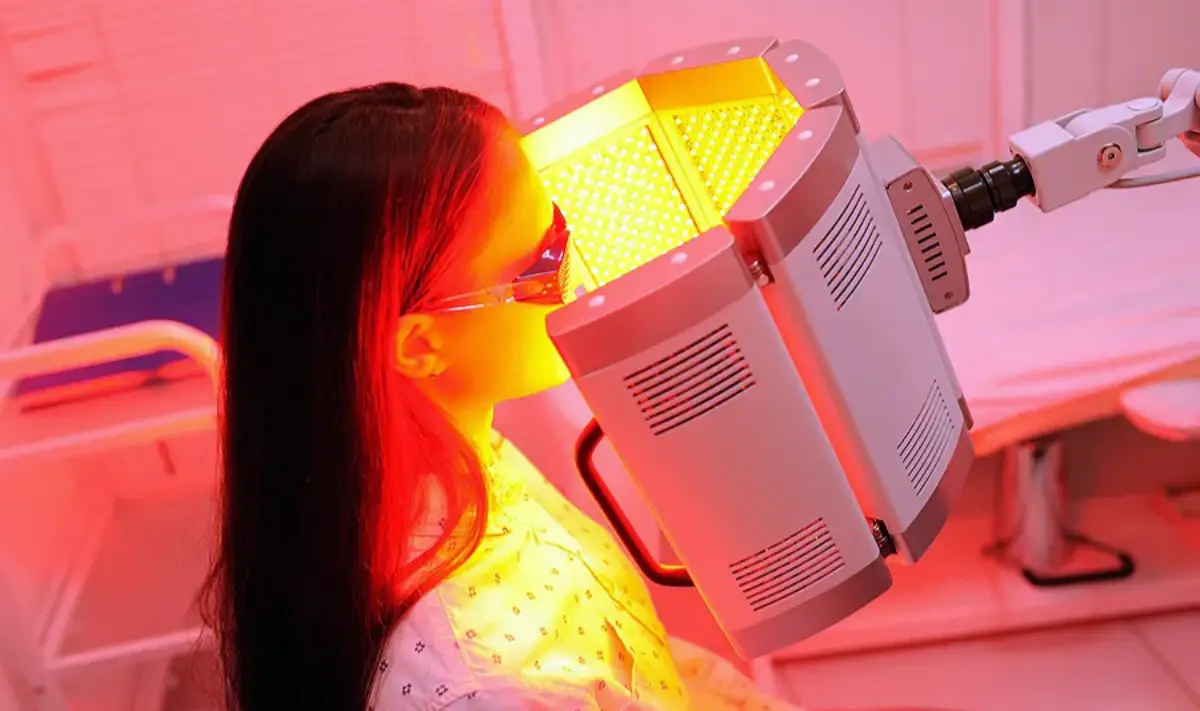
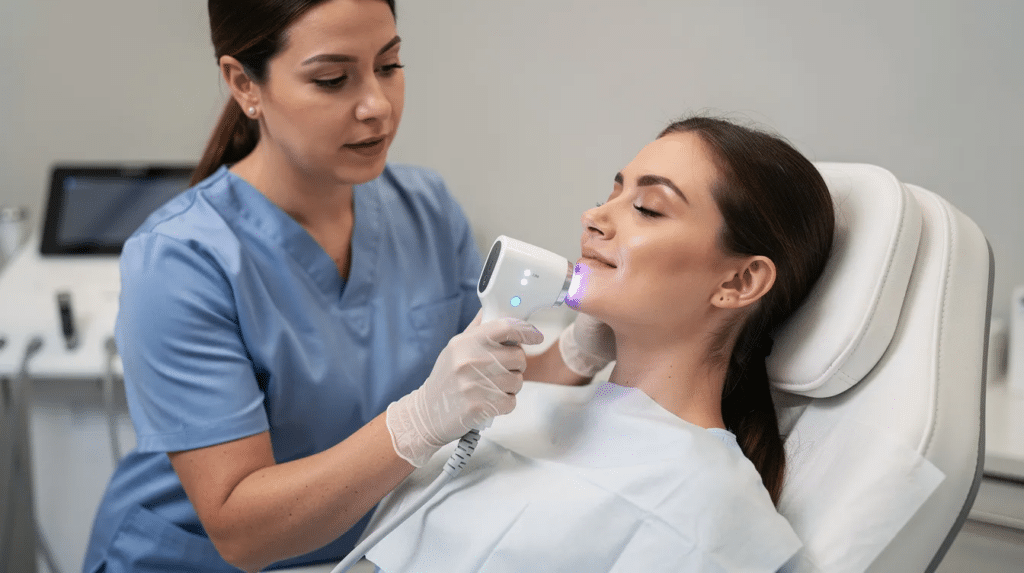
Sessions last between 10 and 20 minutes, and the device is simply placed over the jaw, temples, and sometimes the neck. Most patients don’t even notice they’re getting treatment, feeling only a slight warmth or nothing at all.
After the session, you’re good to go: no downtime is required, so you can get back to your normal activities straight away. Just be sure to wear some eye protection when you’re getting treatment near your peepers. Some people might find their skin is a bit sensitive afterwards, but that’s usually just a temporary thing and passes pretty quickly.
Is Red Light Therapy Right for Your TMJ Disorder?
Red light therapy is generally a safe and sound idea, but it’s not a one-size-fits-all solution for TMJ issues. It often works well for people with mild to moderate TMJ problems, or if your pain is being driven by inflammation or muscle tension.
If you have any of the following, though, you should get clearance before using red light therapy: pregnancy worries, a history of cancer in the area, photosensitivity issues, light-sensitizing meds, recent trauma, a suspected fracture, severe locking, or inflammatory arthritis. And if you’ve got really bad TMJ, you may need to get some dental imaging, see an oral surgeon, or try a different treatment first.
Home Devices vs In-Office TMJ Light Therapy
Red light therapy can be done at home or in a clinic. In the clinic, you’ll get access to more powerful, targeted devices that are guided by the anatomy of your face and your symptoms. At home, you can use some pretty handy devices, like wraps, handhelds, and panels, which can be really convenient for keeping up with treatment regularly.
When shopping for a home device, make sure it’s got the right kind of wavelength, a safe power output, safety certifications, and clear instructions. And even though it’s a lot more convenient to use a home device, it’s still really important to get a proper diagnosis from a professional. Home use should support your overall treatment plan, not try to replace it.
Integrating Red Light Therapy into a Complete TMJ Treatment Plan
To get the best out of red light therapy, you need to be using it as part of a broader treatment plan to tackle TMJ. So that might mean combining it with a night guard, splints, physical therapy, myofascial release, stress reduction techniques, soft-food breaks when you’re having a flare-up, and maybe even some changes to your posture.
Here at Dental Del Rio, we offer custom night guards for just $80 USD to help protect your teeth and support your TMJ treatment. If you clench or grind your teeth at night, a night guard can reduce stress on the jaw joints and muscles, making it an excellent complement to Red Light Therapy. While Red Light Therapy helps reduce inflammation and promote healing, a night guard helps address one of the most common causes of TMJ discomfort, allowing you to get the most out of your treatment and enjoy longer-lasting relief.
A basic plan could be to do two or three sessions a week, followed up by daily jaw stretches, and a monthly check-in with your provider. The aim here is not just to get rid of the pain in the short term, but to work towards lasting relief, healthier tissues, and getting back to normal as quickly as possible.

FAQ: Red Light Therapy for TMJ Disorders
How Long Will it Take to Notice Any TMJ Relief?
Some people start to feel a bit of a difference after just a few sessions. But if you’ve got a chronic case of TMJ, you might not see any real changes for 2-4 weeks or even several weeks of consistent treatment.
Can Red Light Therapy Cure TMJ Disorder Completely?
It’s not a guaranteed cure, unfortunately. Red light therapy can really help reduce pain, inflammation, and muscle tension, but if you have things like bite problems, arthritis, or grinding going on, you’ll likely need to combine treatment with some other TMJ treatments.
Is Red Light Therapy Safe to Use Near My Eyes and Ears?
Generally speaking, yes, facial devices are safe if you use them properly. Just be sure to wear eye protection when you’re getting treatment near your peepers, and don’t shine the light directly into your ear canal.
How Often Can I Use Light Therapy for TMJ?
In the clinic, you might do 2-3 sessions a week. At home, you might be able to do more frequent sessions, but it’s always best to follow the guidance of your provider or manufacturer; more is not always better after all.
Will My Insurance Cover Red Light Therapy for TMJ Treatment?
Coverage is pretty variable, so it’s a good idea to check with your insurer about whether they cover low-level laser or photobiomodulation for TMJ. And if they don’t, ask your provider about payment plans; they might be able to help.